





In a Stranglehold

In a Stranglehold

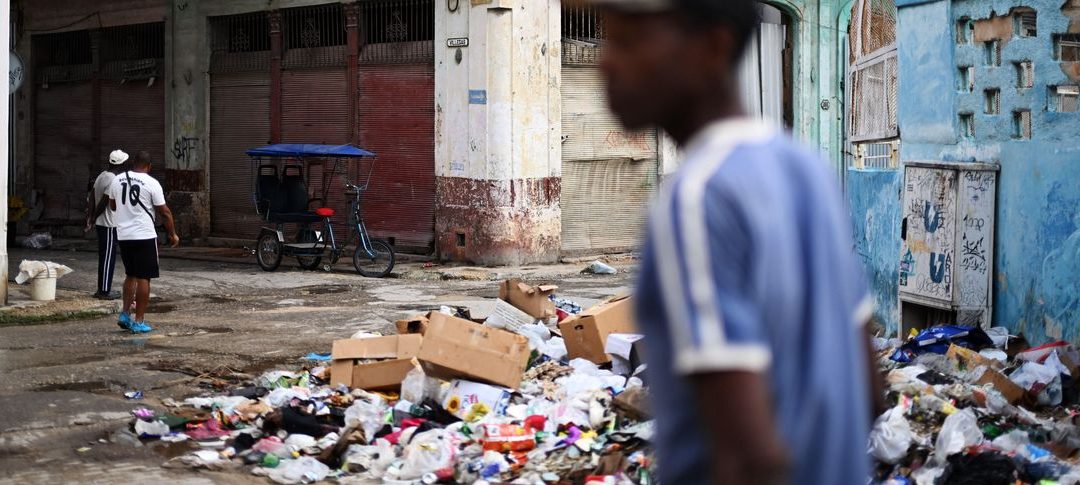
In a recent commentary, Bert Hoffmann argues that Cuba is entering a critical phase as U.S. policy increasingly restricts fuel supplies, with cascading effects on transport, food distribution, and essential services. He describes the situation as a high-stakes pressure strategy that could quickly turn a severe economic crisis into a humanitarian emergency.

The piece outlines four broad pathways that could shape what happens next: a rapid deterioration if imports remain blocked; limited and uncertain relief if sporadic shipments reach the island despite deterrence; social unrest that may still be constrained by perceptions that outcomes are decided through Washington-Havana bargaining rather than domestic mobilization; or negotiations that could bring partial de-escalation through reciprocal steps by both sides. Hoffmann concludes that Cuba’s leverage is weak but not zero, as any U.S. preference for stability would likely depend on existing state institutions, while the longer-term outlook remains uncertain and could involve new political and economic arrangements under intense external pressure.

Prof. Dr. Bert Hoffmann outlines major trends shaping Latin America in 2026

Prof. Dr. Bert Hoffmann outlines major trends shaping Latin America in 2026

A new policy brief from GIGA by Bert Hoffmann, a member of the GLACIER Steering Committee, offers a forward-looking snapshot of Latin America in 2026, arguing that the year will be shaped by a combination of external pressure and domestic political turning points. The analysis places the United States at the center of the regional outlook, with a more assertive hemispheric posture expected to influence relations with Venezuela, migration and security agendas, and Latin America’s room for maneuver with China. At the same time, a busy electoral calendar, rising concerns over crime and insecurity, deepening socioeconomic strain in countries such as Cuba, and accelerating climate impacts create a volatile mix of risks and uncertainties that will affect governance and regional cooperation.

Arnoldo Robert/LatinContent/Getty Images

Bert Hoffmann identifies ten things to watch in Latin America in 2026:

1. Venezuela after Maduro: Even a decisive external shock would not guarantee a quick transition, and could instead produce a prolonged standoff with serious regional and international repercussions.

2. A revived Monroe Doctrine: The United States is portrayed as seeking a more assertive hemispheric posture, combining political pressure with economic leverage.

3. Latin America and China: Countries try to preserve trade and investment ties with China while navigating growing US–China tension and possible constraints on Chinese engagement.

4. Elections in 2026: A packed electoral calendar may reinforce volatility and fragmentation, with the possibility of further rightward shifts in some contexts.

5. Brazil’s turning point: Brazil’s presidential election is framed as a key regional contest, with high polarization and implications for foreign policy orientation.

6. Crime and insecurity politics: Security agendas and “mano dura” approaches remain powerful drivers of political competition, regardless of mixed evidence on effectiveness.

7. Trumpification of the right: Alignment with Trump style politics may reshape alliances on the right, but can also create domestic backlash and internal divisions.

8. Mexico as an outlier: Mexico faces intense pressure at the intersection of trade, migration, and security, with major tests ahead in its relationship with the United States.

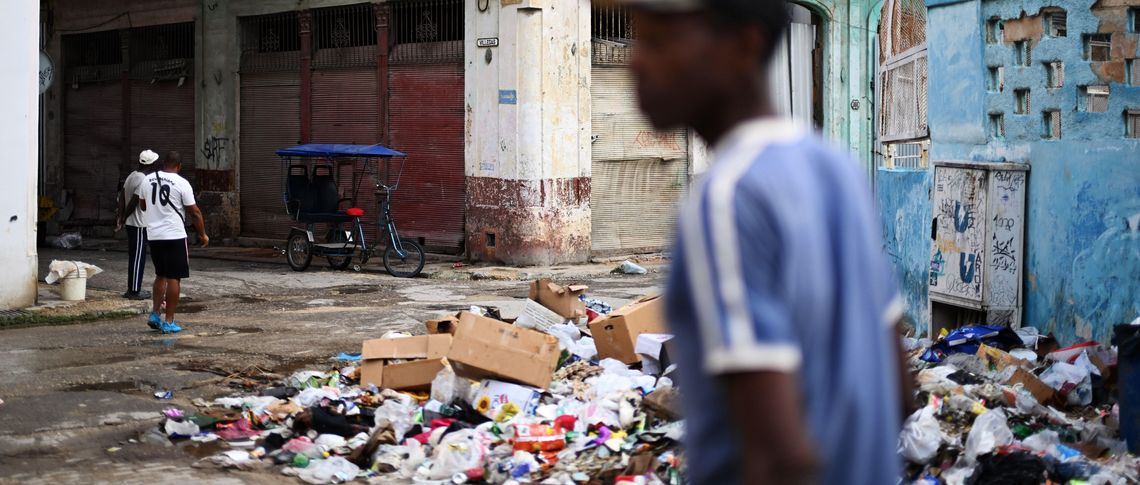
9. Cuba’s deepening crisis: Economic strain and external constraints are presented as pushing Cuba into a more acute and uncertain phase.

10. Climate impacts and health risks: Fires, floods, drought, and storms intensify, and weakened prevention capacity raises concerns about renewed infectious disease risks.

Exploration of the Tertiary Amide Chemical Space of Dolastatin 15 Analogs Reveals New Insights into the Structure–Anticancer Activity Relationship

Exploration of the Tertiary Amide Chemical Space of Dolastatin 15 Analogs Reveals New Insights into the Structure–Anticancer Activity Relationship

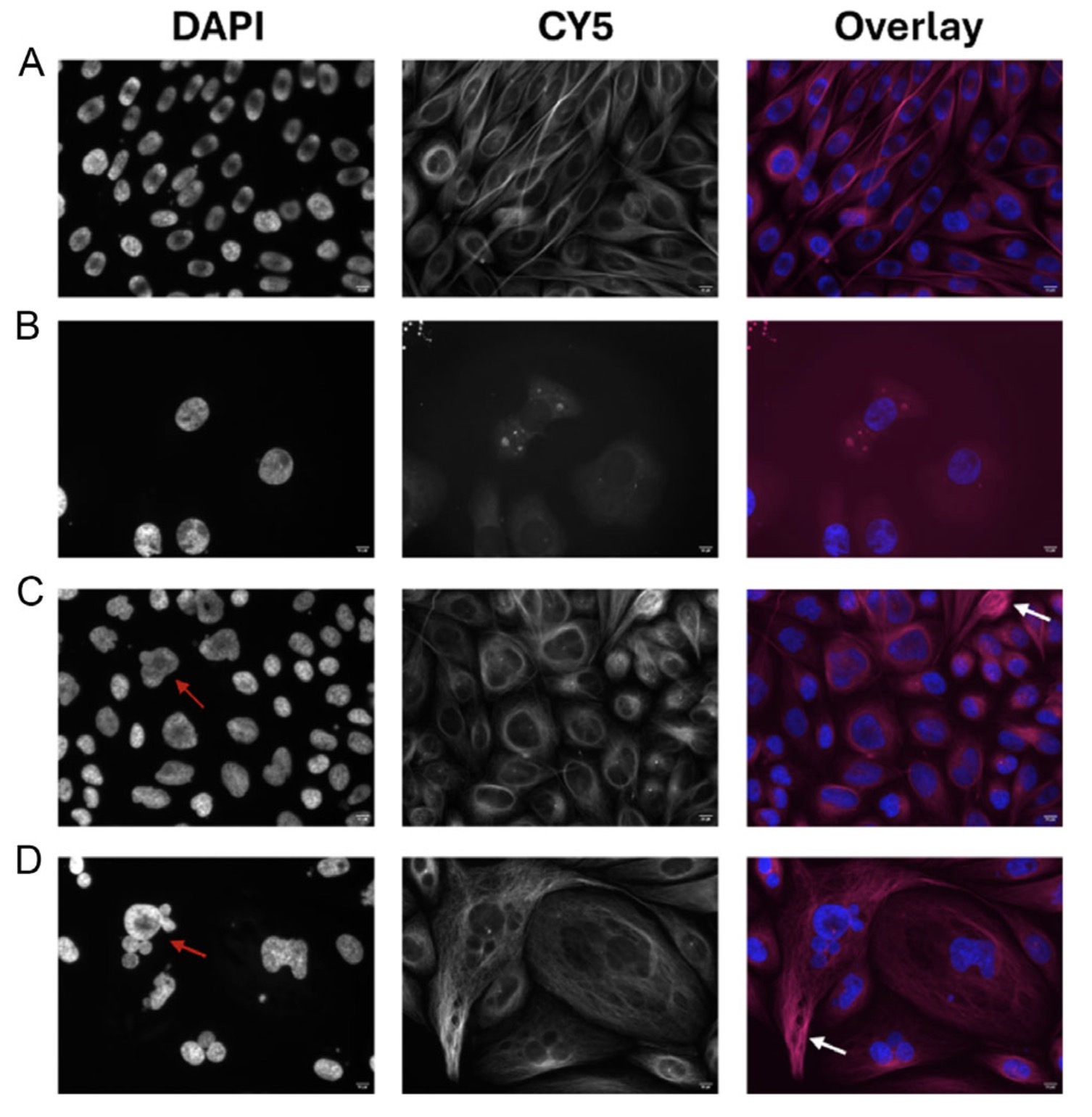
Dolastatins are a class of naturally occurring antimitotic peptides that have inspired the development of some of the most active and widely used anticancer agents. Here, we report on the development of synthetic methodologies for the preparation of parallel libraries of small peptides inspired by dolastatin 15 and itsanalogs cemadotin and tasidotin. The approaches rely on the use of either one or multiple Ugi-multicomponent reactions to generate amide N-substituted dolastatin-like skeletons, which allow the exploration of tertiary amide chemical spaces that have not been assessed previously. Evaluation of the anticancer activity in a variety of cancer cells showed that introducing a tertiary amide at the C-terminal fragment or by replacement of a proline residue does not lead to an increment in the anti-proliferative activity. The microtubule-disrupting capacity of the new dolastatin analogs was studied and compared with other potent antimitotic agents, thereby shedding light on mechanistic details of their anti-proliferative activity.

Pore-forming peptide C14R exhibits potent antifungal activity against clinical isolates of Candida albicans and Candida auris

Pore-forming peptide C14R exhibits potent antifungal activity against clinical isolates of Candida albicans and Candida auris

Introduction: Invasive candidiasis is a global public health problem as it poses a significant threat in hospital-settings. The aim of this study was to evaluate C14R, an analog derived from peptide BP100, as a potential antimicrobial peptide against the prevalent opportunistic yeast Candida albicans and the emergent multidrug-resistant yeast Candida auris.

Methods: Antifungal susceptibility testing of C14R against 99 C. albicans and 105 C. auris clinical isolates from Colombia, was determined by broth microdilution. Fluconazole was used as a control antifungal. The synergy between C14R and fluconazole was assessed in resistant isolates. Assays against fungal biofilm and growth curves were also carried out. Morphological alterations of yeast cell surface were evaluated by scanning electron microscopy. A permeability assay verified the pore-forming ability of C14R.

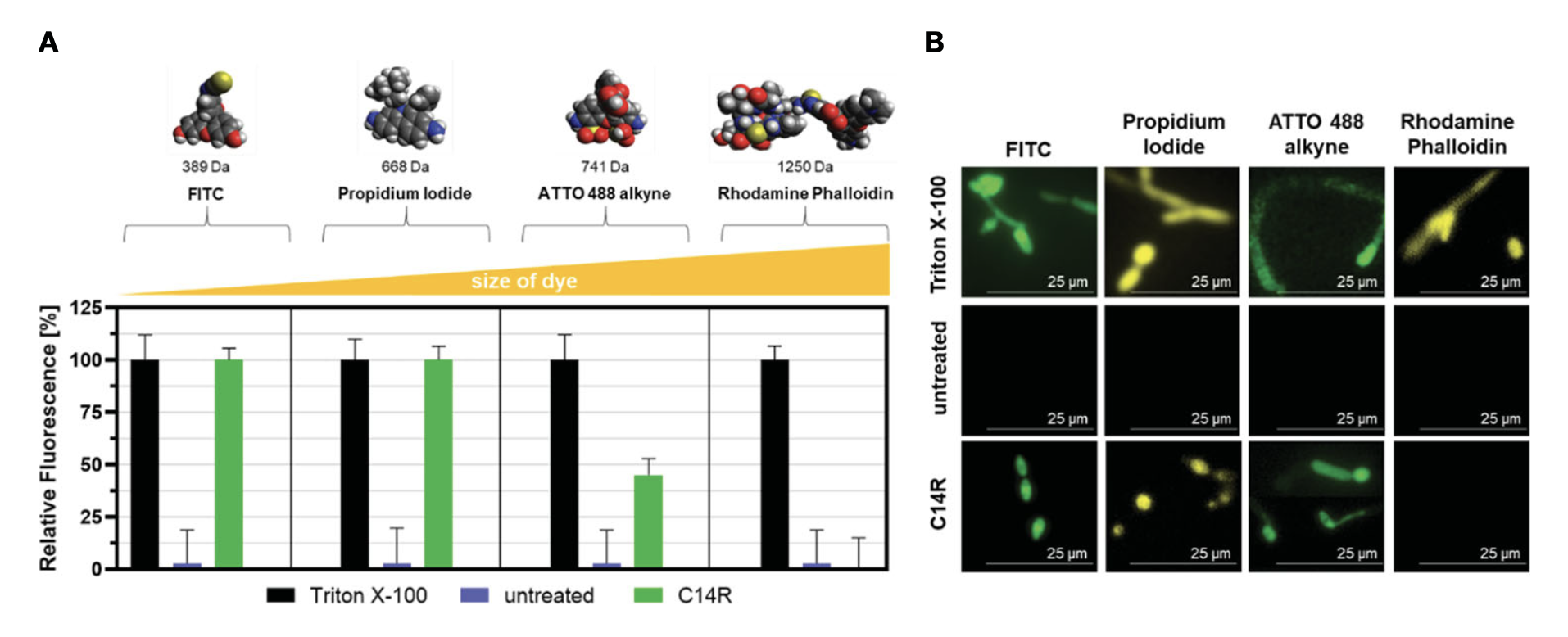
Results: C. albicans and C. auris isolates had a geometric mean MIC against C14R of 4.42 µg/ml and 5.34 µg/ml, respectively. Notably, none of the isolates of any species exhibited growth at the highest evaluated peptide concentration (200 µg/ml). Synergistic effects were observed when combining the peptide and fluconazole. C14R affects biofilm and growth of C. albicans and C. auris. Cell membrane disruptions were observed in both species after treatment with the peptide. It was confirmed that C14R form pores in C. albicans’ membrane.

Discussion: C14R has a potent antifungal activity against a large set of clinical isolates of both C. albicans and C. auris, showing its capacity to disrupt Candida membranes. This antifungal activity remains consistent across isolates regardless of their clinical source. Furthermore, the absence of correlation between MICs to C14R and resistance to fluconazole indicates the peptide’s potential effectiveness against fluconazole-resistant strains. Our results suggest the potential of C14R, a pore-forming peptide, as a treatment option for fungal infections, such as invasive candidiasis, including fluconazole and amphotericin B -resistant strains.

Multicomponent Functionalization of the Octreotide Peptide Macrocyclic Scaffold

Multicomponent Functionalization of the Octreotide Peptide Macrocyclic Scaffold

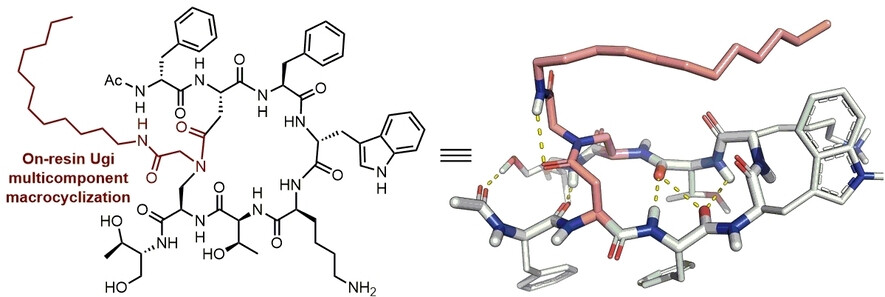
The replacement of the disulfide bridge by other types of side chain linkages has been a continuous endeavor in the development of cyclic peptide drugs with improved metabolic stability. Octreotide is a potent and selective somatostatin analog that has been used as an anticancer agent, in radiolabeled conjugates for the localization of tumors and as targeting moiety in peptide-drug conjugates. Here, we describe an on-resin methodology based on a multicomponent macrocyclization that enables the substitution of the disulfide bond by a tertiary lactam bridge functionalized with a variety of exocyclic moieties, including lipids, fluorophores, and charged groups. Conformational analysis in comparison with octreotide provides key information on the type of functionalization permitting the conformational mimicry of the bioactive peptide.

Effect of O-Acetylation on the Antigenicity and Glycoconjugate Immunogenicity of the Streptococcus Pneumoniae Serotype 7F Capsular Polysaccharide

Effect of O-Acetylation on the Antigenicity and Glycoconjugate Immunogenicity of the Streptococcus Pneumoniae Serotype 7F Capsular Polysaccharide

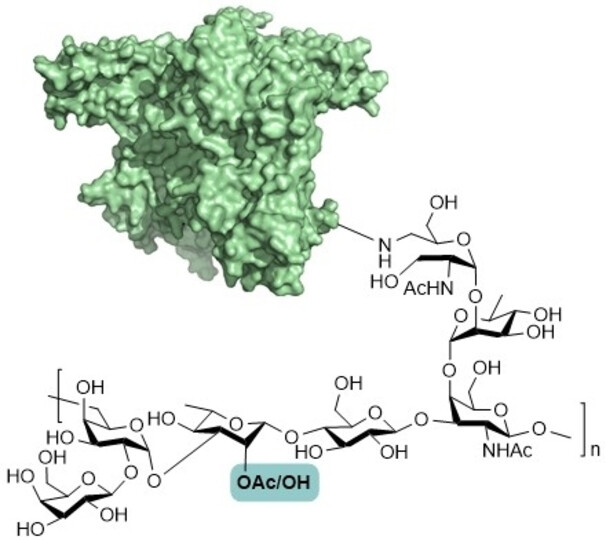
Streptococcus pneumoniae is a bacterial pathogen causing diseases as severe as pneumonia, sepsis and meningitis. Most commercial pneumococcal conjugate vaccines contain the 7F serotype, which is epidemiologically relevant and highly invasive. This serotype contains an O-acetyl group at the internal L-rhamnose of its polysaccharide repeating unit. Herein we report on the role of the O-acetyl moiety of 7F polysaccharide in both antigen recognition and the induction of a protective antibody response against 7F. Fully and partially de-O-acetylated 7F polysaccharides were chemically prepared and compared with the O-acetylated counterpart in their antigenicity and immunogenicity of their tetanus toxoid glycoconjugates. These comparative studies showed a slight but consistent decrease in the antigenicity for the fully de-O-acetylated polysaccharide, but not for the partly de-O-acetylated variant. The glycoconjugates derived from the O-acetylated and the fully de-O-acetylated polysaccharides had similar sizes and polysaccharide-to-protein ratio, and all proved both to be immunogenic and induce opsonophagocytic responses in mice. Nevertheless, the immune response elicited by the O-acetylated glycoconjugate was better in both quantity and quality, proving that the O-acetyl group is not strictly necessary but also not irrelevant for the antigenicity and immunogenicity of the 7F serotype polysaccharide and its glycoconjugates.