Heterologous Hyperimmune Polyclonal Antibodies Against SARS-CoV-2: A Broad Coverage, Affordable, and Scalable Potential Immunotherapy for COVID-19

Funded by the German Federal Foreign Office







The aim is to improve the research infrastructure in Latin America, with a particular focus on producing anti-infectives and new vaccines against infectious diseases, as well as establishing diagnostics and monitoring for pandemics. That is why we are planning, for example, to establish modern laboratories at universities in Mexico City and Havana,” says Seliger, who is herself an immunologist and specialist in the immunological monitoring of infectious diseases and the development of immunotherapies. Unequal access to vaccinations and diagnostics for infectious diseases, as well as regional aspects, are also among the topics covered by the health center, explains Seliger: “Our concern is that all countries in the world have access to vaccines at a reasonable price. And that vaccines are developed that are easy to administer and do not have to be stored at minus 150 degrees, because that is not possible everywhere


As Cuba enters 2022, economic crisis and social tensions loom large. The paper reviews the external difficulties that interact with and reinforce the island’s domestic issues. Looking beyond the immediate situation it reflects on underlying international pressures and constraints that will shape the options for the Cuban nation over the next decade. Its analysis encompasses Cuba’s relations with the US and with the EU, as well as those with Venezuela, Mexico, China, Russia and Canada, and it asks to what extent Cuban-made COVID-19 vaccines can re-boost the country’s soft-power projection. In comparative perspective, Cuba’s regime -and its international perspective, the island’s regime -and its international profile- are in many ways still unlike any other, and predictive schemas based on false analogies risk being misleading.

Cuba and the European signed the Political Dialogue and Cooperation Agreement (PDCA) in December 2016. In many ways it has been a very long six years. Four years of Trump’s US government disrupted the world and, with regard to Cuba, abruptly cut short the normalisation process begun under the Obama administration. Instead, the US embargo has been tightened.
Moreover, a shrill rhetoric has returned, as much from Republicans in Washington as from the Cuban-American community in Miami, that casts long shadows over any ideas of dialogue and reconciliation.
At the same time the Cuban economy has gone from bad to worse. The COVID-19 pandemic brought international tourism to a standstill and led to dramatic disruptions of the island’s economic and social life. Hopes for increased political tolerance in the post-Castro era have not been fulfilled. When popular frustration erupted in street protests on July 11th 2021, the state responded heavy-handedly. Hundreds were put on trial and given often draconic jail sentences. As plane traffic resumed, emigration soared.


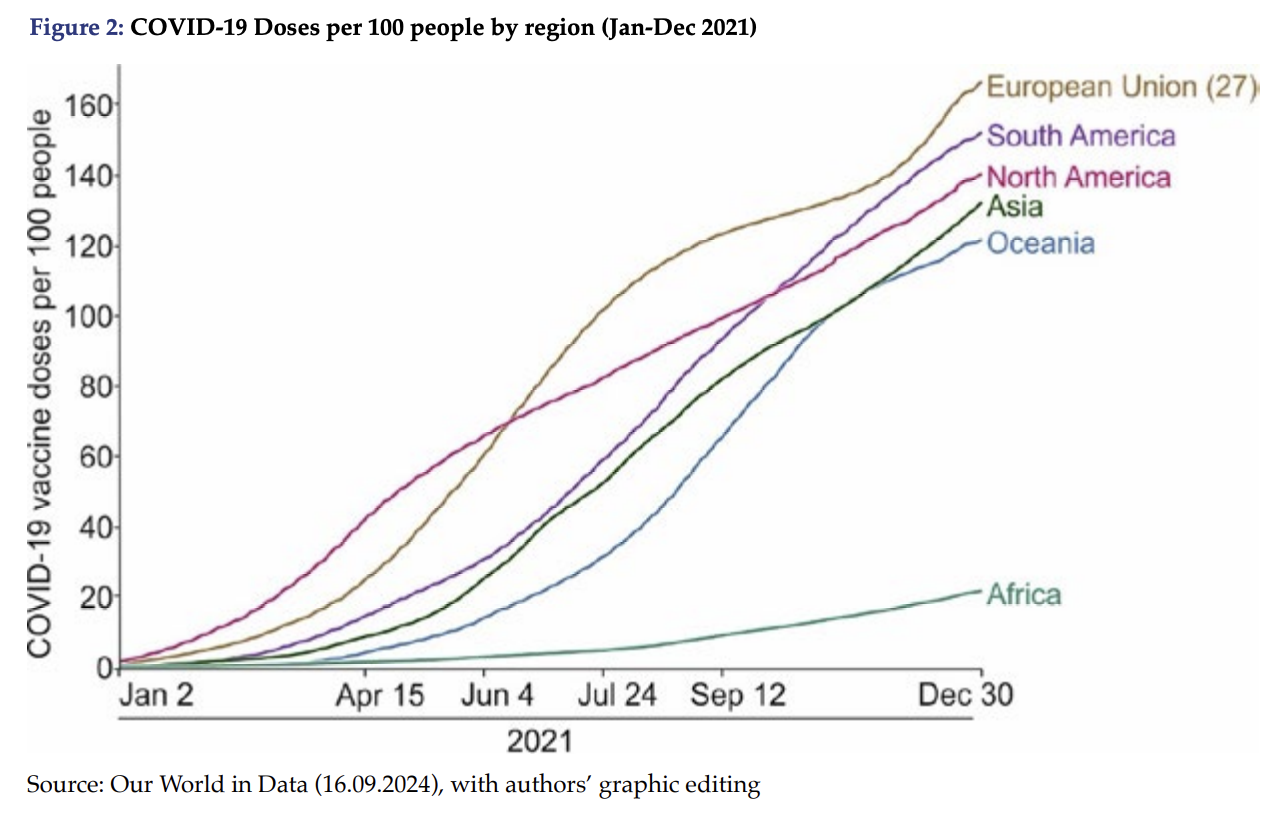
This policy brief examines the lessons learned from the COVID-19 pandemic and the urgent need to strengthen bi-regional cooperation between Europe and Latin America and the Caribbean to improve preparedness for future health crises. It highlights the inequalities in vaccine availability and mortality, as well as the importance of reinforcing health systems, particularly primary care, to ensure equity and universal coverage.
Additionally, it emphasizes the need to increase regional production of medicines and vaccines, promoting mutual knowledge transfer. International cooperation, training of health personnel, and strengthening supranational networks are essential to address global health challenges, including those arising from climate change and tropical diseases.