





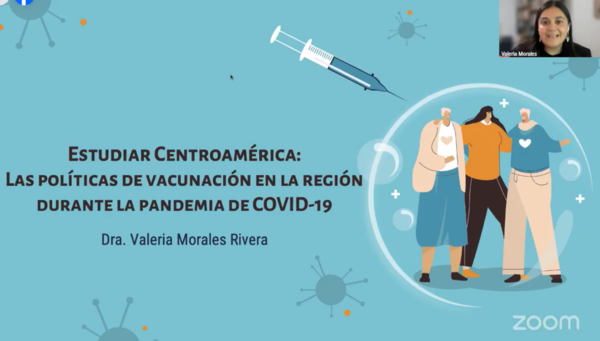
Unequal Responses to a Common Crisis: Lessons from COVID-19 Vaccination in Central America

Unequal Responses to a Common Crisis: Lessons from COVID-19 Vaccination in Central America

In this conference, Dr. Valeria Morales Rivera (University of Costa Rica) discusses the unequal responses to the COVID-19 crisis across Central America, focusing on the lessons emerging from vaccination processes in the region.

Dr. Morales Rivera is a lecturer at the School of General Studies and a researcher at the Center for Research and Political Studies (CIEP) and the Center for Historical Research of Central America (CIHAC) at the University of Costa Rica.

Scientific mobility in microbiology: Andres Moreira Soto in Trends in Microbiology

Scientific mobility in microbiology: Andres Moreira Soto in Trends in Microbiology

In a recent Trends in Microbiology TrendsTalk, Dr. Andres Moreira Soto reflects on how scientific mobility shaped his career as a Costa Rican veterinarian and virologist working between Costa Rica and Germany. He describes key opportunities and barriers faced by researchers from Latin America, including limited access to structured mobility programs, funding constraints, and administrative hurdles.

Moreira Soto highlights practical ways to make mobility more inclusive, and emphasizes the value of institutional support for international researchers. He also discusses how mobility initiatives can strengthen collaboration and preparedness for emerging infectious disease threats across regions.

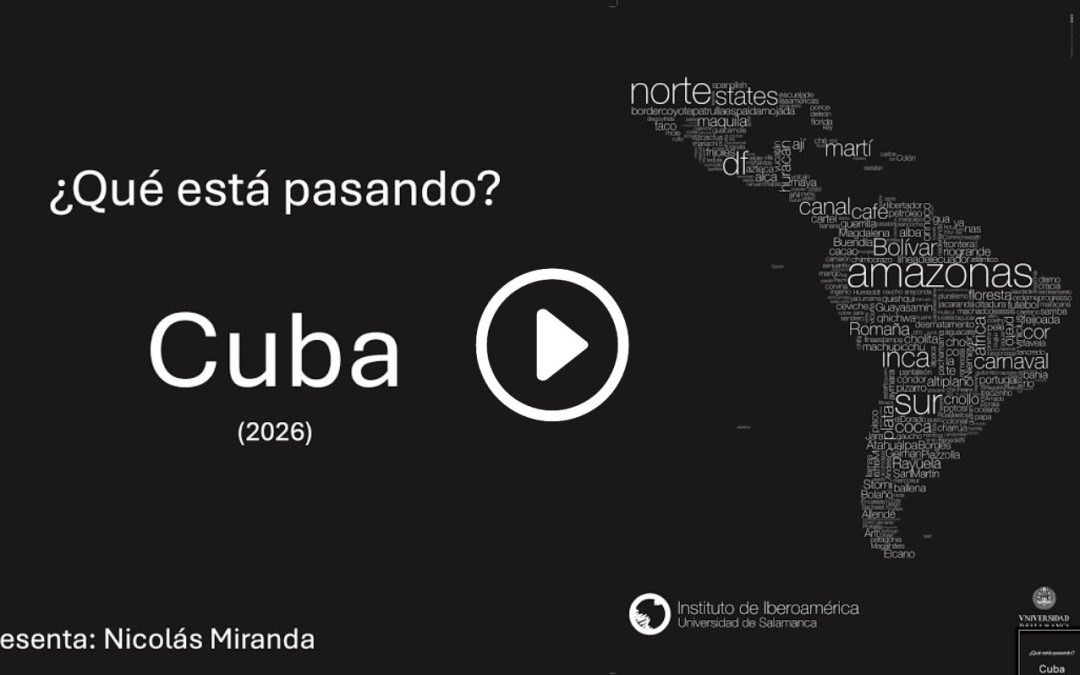
In a Stranglehold

In a Stranglehold

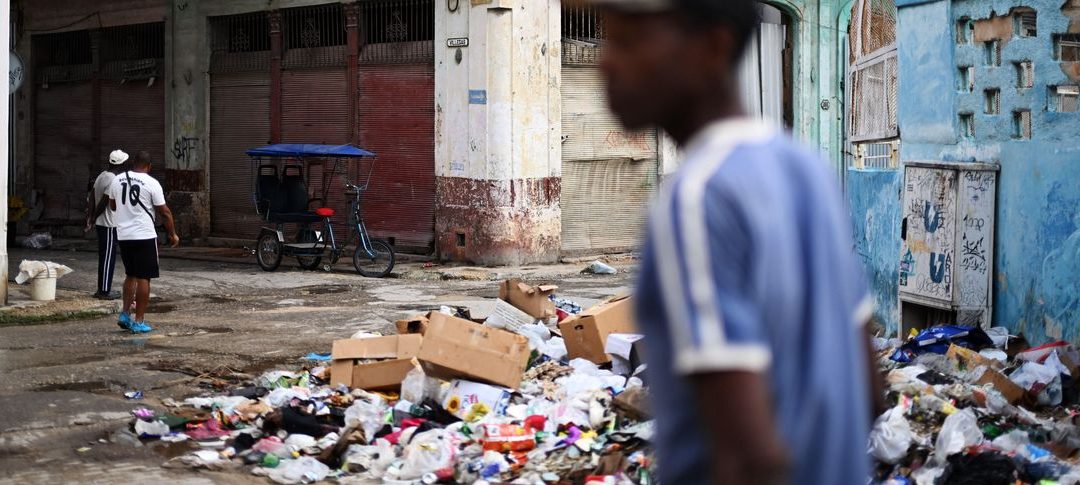
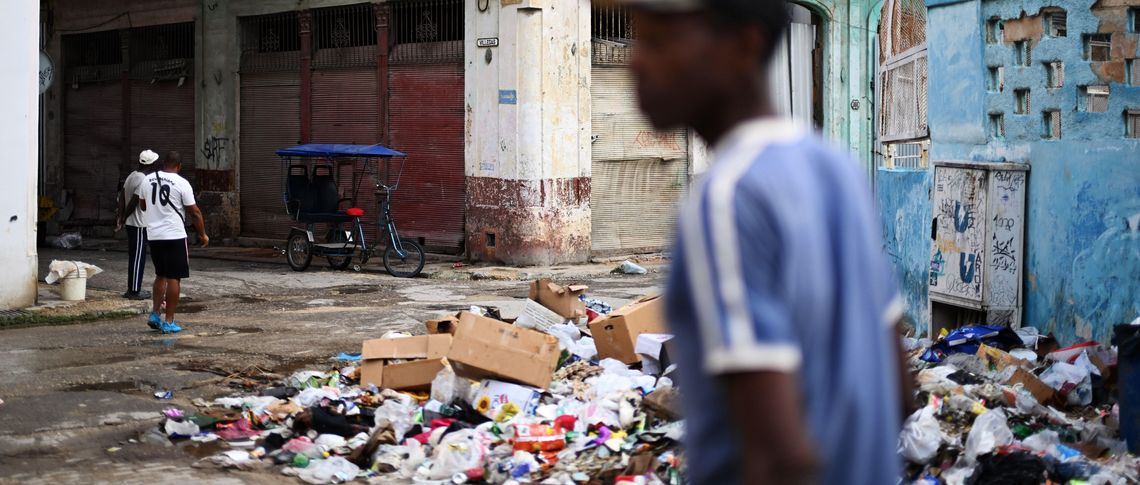
In a recent commentary, Bert Hoffmann argues that Cuba is entering a critical phase as U.S. policy increasingly restricts fuel supplies, with cascading effects on transport, food distribution, and essential services. He describes the situation as a high-stakes pressure strategy that could quickly turn a severe economic crisis into a humanitarian emergency.

The piece outlines four broad pathways that could shape what happens next: a rapid deterioration if imports remain blocked; limited and uncertain relief if sporadic shipments reach the island despite deterrence; social unrest that may still be constrained by perceptions that outcomes are decided through Washington-Havana bargaining rather than domestic mobilization; or negotiations that could bring partial de-escalation through reciprocal steps by both sides. Hoffmann concludes that Cuba’s leverage is weak but not zero, as any U.S. preference for stability would likely depend on existing state institutions, while the longer-term outlook remains uncertain and could involve new political and economic arrangements under intense external pressure.

GLACIER featured in Concordia’s Queen Elizabeth Scholars call

GLACIER featured in Concordia’s Queen Elizabeth Scholars call

GLACIER is featured as the Mexico case study in Concordia University’s Queen Elizabeth Scholars Call for Applications, in collaboration with UNAM. The call positions GLACIER as the main framework for Mexico based projects under a One Health approach, including opportunities linked to pathogen surveillance, data analysis, and regional collaboration.

We invite students based in Mexico who are interested in international research exchange to consult the call for eligibility and application details. Travel is planned for 2026 and 2027, for stays of up to 120 days between May and September.

Ludger Wessjohann is an honorary doctor of the University of Havana

Ludger Wessjohann is an honorary doctor of the University of Havana

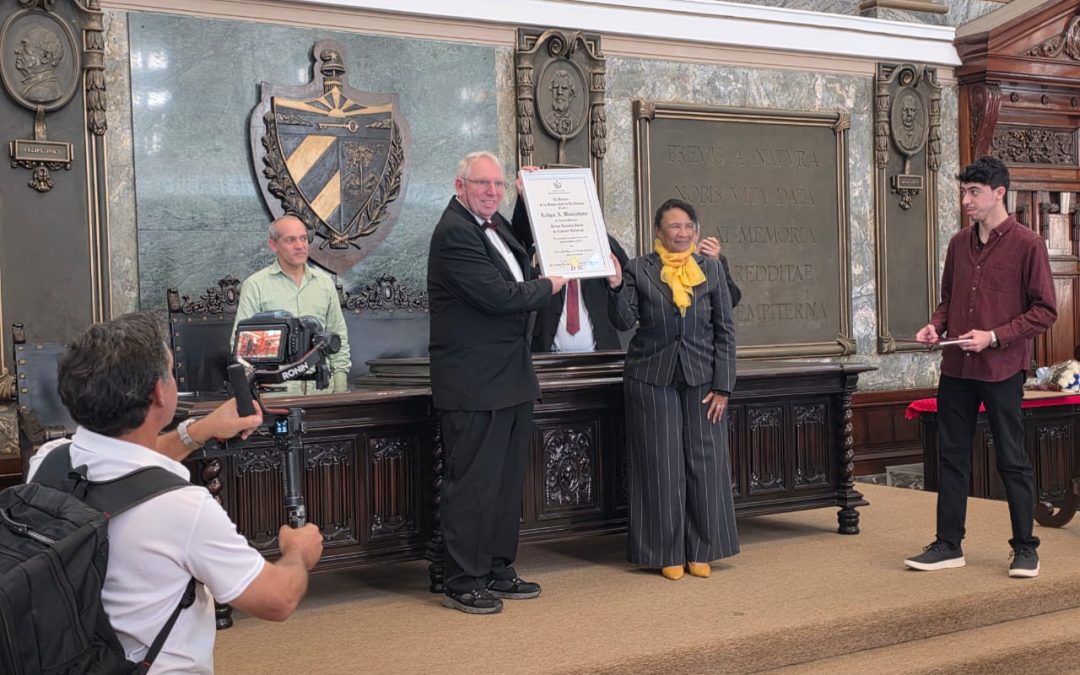
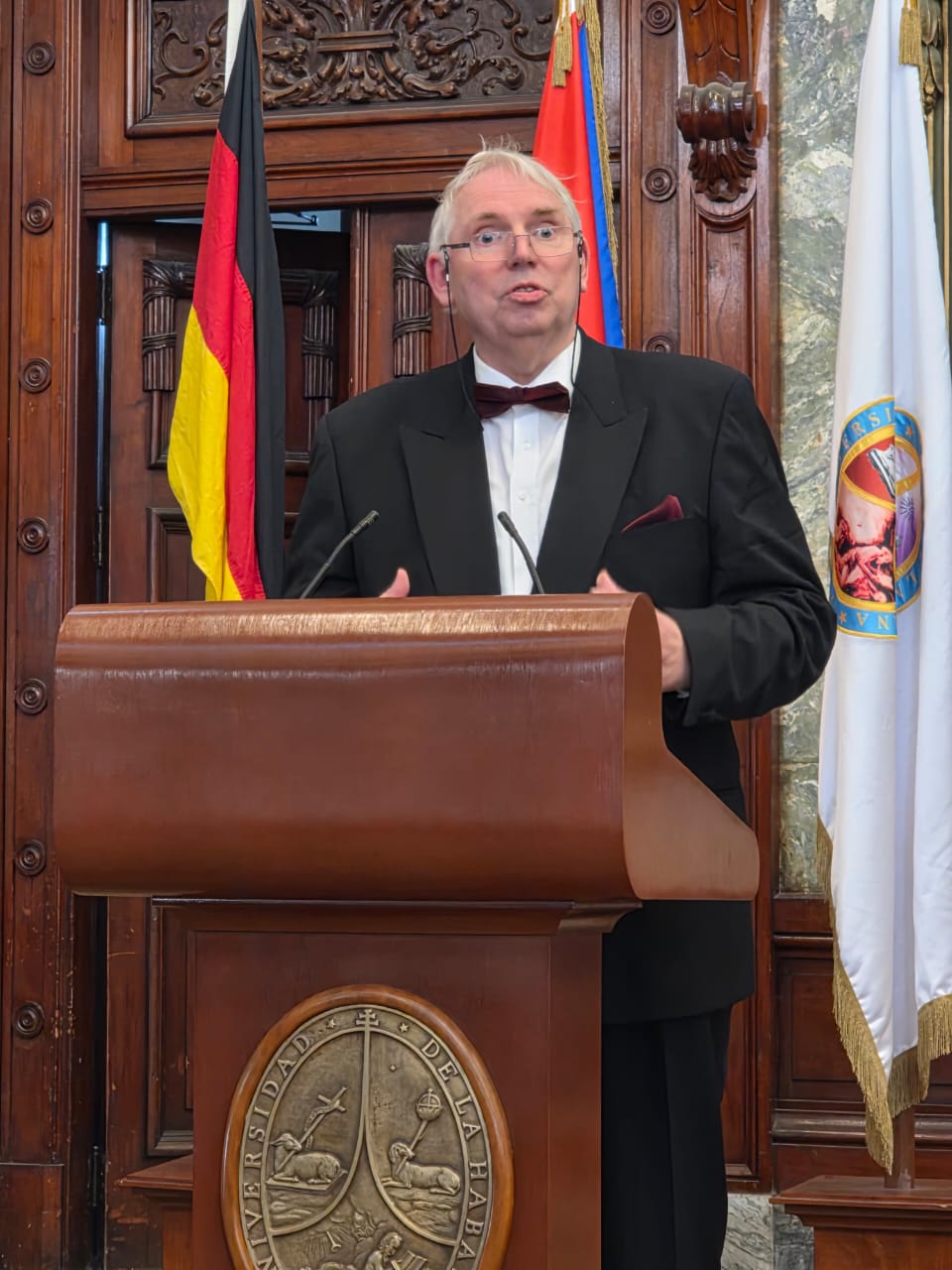
As part of the 15th International Conference of Higher Education “UNIVERSIDAD 2026,” which took place in Havana from February 9 to 13, 2026, Prof. Dr. Ludger Wessjohann was awarded an honorary doctorate “Doctor Honoris Causa” from the University of Havana. In recognition of his more than 25 years of service to the academic and scientific development of this university, Ludger Wessjohann is the second German university professor to receive this award in the 300-year history of the University of Havana.

As keynote speaker and one of the German project managers of the DAAD program “GLACIER – German Latin American Center of Infection & Epidemiology Research & Training”, he will present the scientific results of this consortium and its impact on bilateral cooperation with Latin America.

The University of Havana was founded in 1728, making it the oldest university in Cuba and one of the oldest on the American continent. The laudatory speech in the historic Aula Magna was given by Prof. Daniel Garcia Rivera, who received his doctorate in the Department of Bioorganic Chemistry in 2007 and has since regularly visited the institute as a guest scientist. Daniel Garcia Rivera is now director of the Laboratory for Synthetic and Biomolecular Chemistry at the University of Havana.

Thanks to the long-standing collaboration with the University of Havana, more than 20 Cuban students have completed their doctoral theses in Prof. Dr. Dr. h. c. Ludger Wessjohann’s research group, successfully defended them, and are now recognized scientists on an international level.