In a Stranglehold

In a Stranglehold

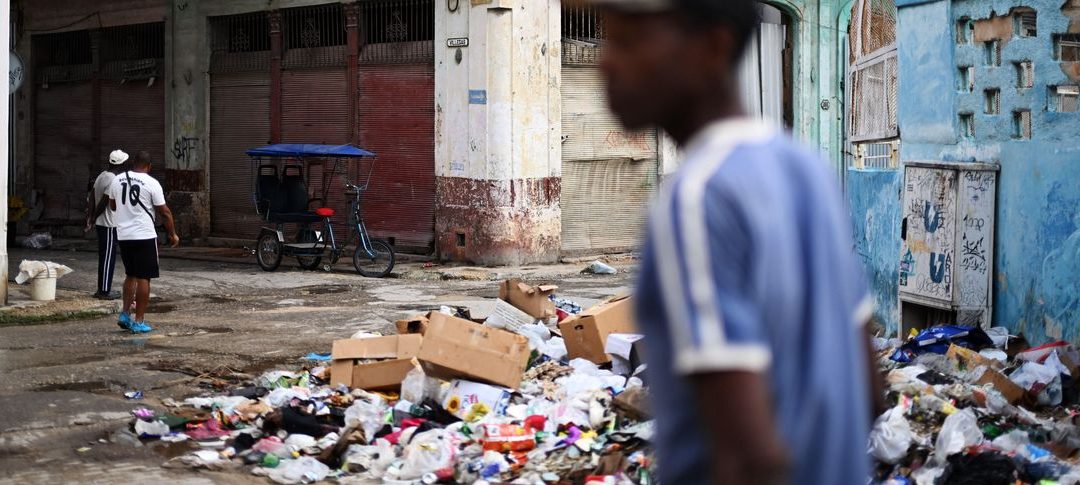
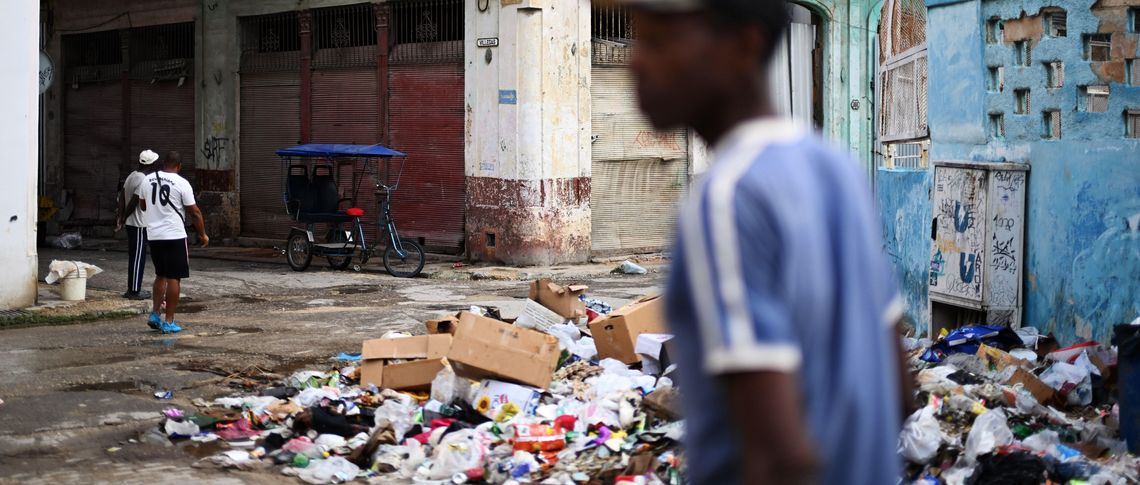
In a recent commentary, Bert Hoffmann argues that Cuba is entering a critical phase as U.S. policy increasingly restricts fuel supplies, with cascading effects on transport, food distribution, and essential services. He describes the situation as a high-stakes pressure strategy that could quickly turn a severe economic crisis into a humanitarian emergency.

The piece outlines four broad pathways that could shape what happens next: a rapid deterioration if imports remain blocked; limited and uncertain relief if sporadic shipments reach the island despite deterrence; social unrest that may still be constrained by perceptions that outcomes are decided through Washington-Havana bargaining rather than domestic mobilization; or negotiations that could bring partial de-escalation through reciprocal steps by both sides. Hoffmann concludes that Cuba’s leverage is weak but not zero, as any U.S. preference for stability would likely depend on existing state institutions, while the longer-term outlook remains uncertain and could involve new political and economic arrangements under intense external pressure.

Prof. Dr. Bert Hoffmann outlines major trends shaping Latin America in 2026

Prof. Dr. Bert Hoffmann outlines major trends shaping Latin America in 2026

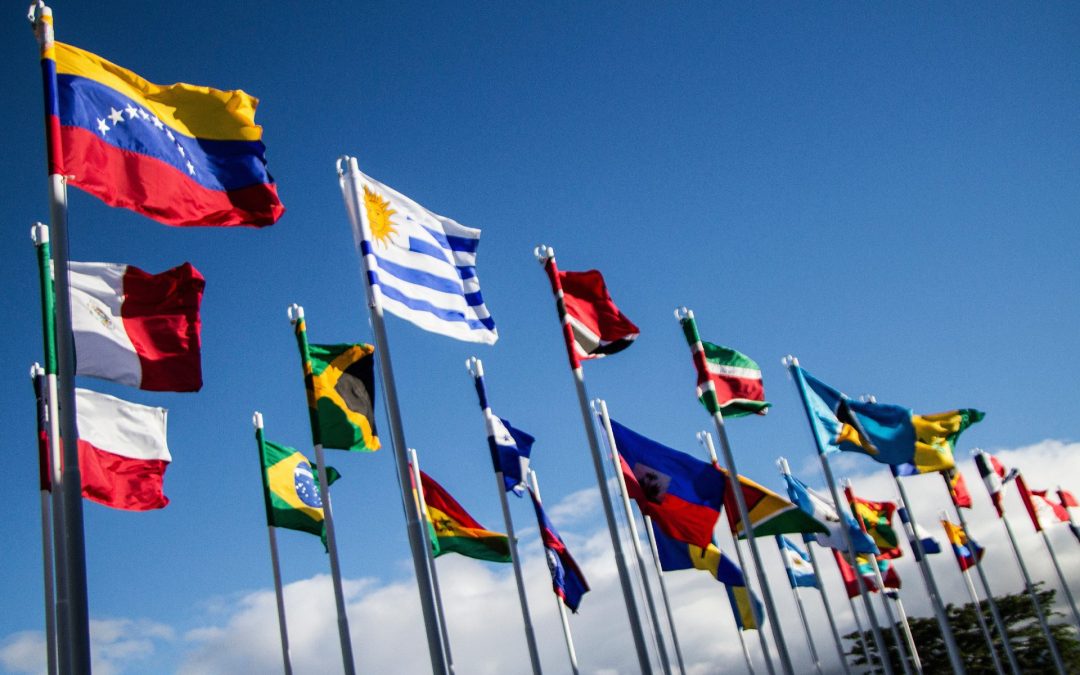
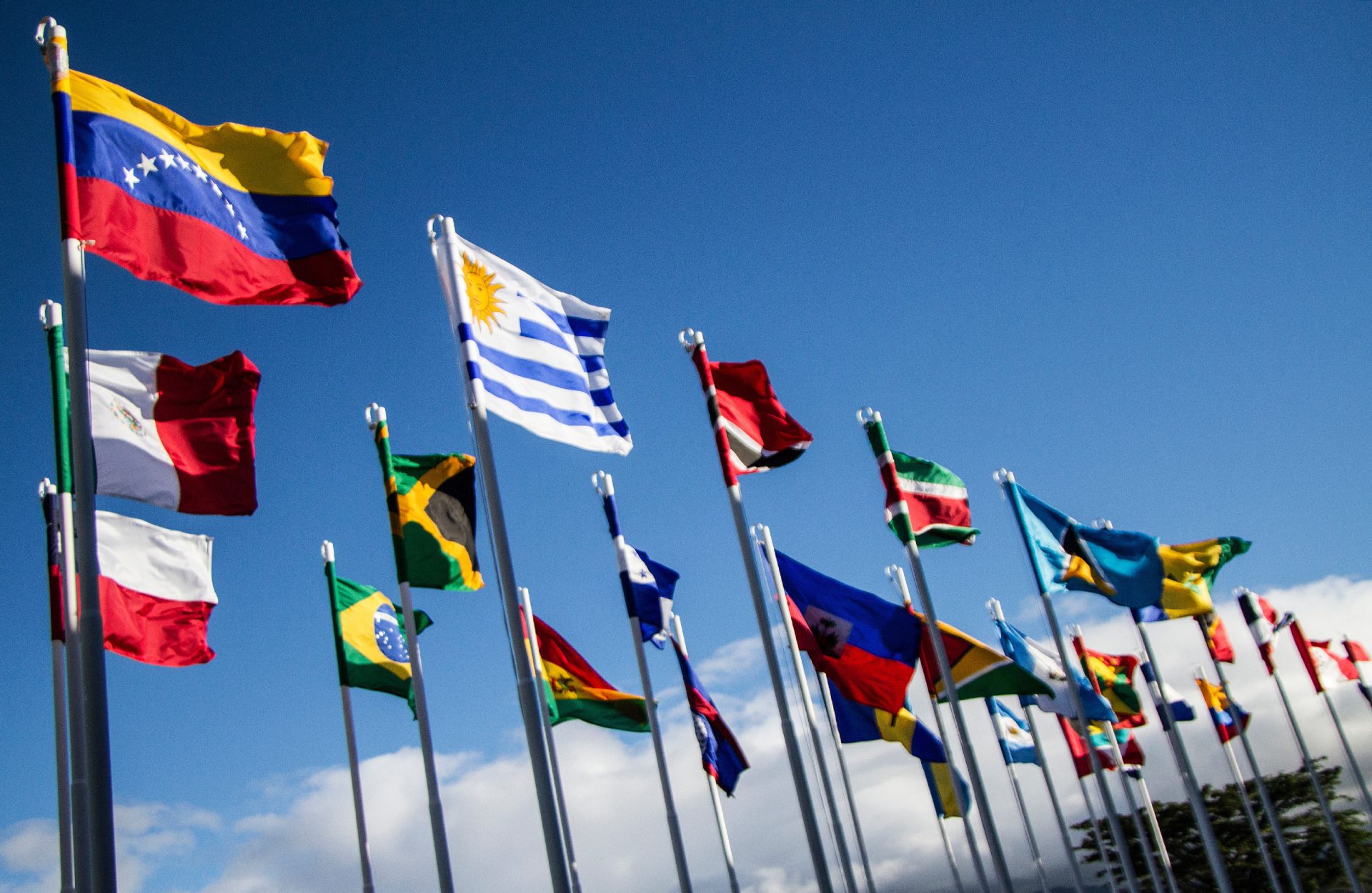
A new policy brief from GIGA by Bert Hoffmann, a member of the GLACIER Steering Committee, offers a forward-looking snapshot of Latin America in 2026, arguing that the year will be shaped by a combination of external pressure and domestic political turning points. The analysis places the United States at the center of the regional outlook, with a more assertive hemispheric posture expected to influence relations with Venezuela, migration and security agendas, and Latin America’s room for maneuver with China. At the same time, a busy electoral calendar, rising concerns over crime and insecurity, deepening socioeconomic strain in countries such as Cuba, and accelerating climate impacts create a volatile mix of risks and uncertainties that will affect governance and regional cooperation.

Arnoldo Robert/LatinContent/Getty Images

Bert Hoffmann identifies ten things to watch in Latin America in 2026:

1. Venezuela after Maduro: Even a decisive external shock would not guarantee a quick transition, and could instead produce a prolonged standoff with serious regional and international repercussions.

2. A revived Monroe Doctrine: The United States is portrayed as seeking a more assertive hemispheric posture, combining political pressure with economic leverage.

3. Latin America and China: Countries try to preserve trade and investment ties with China while navigating growing US–China tension and possible constraints on Chinese engagement.

4. Elections in 2026: A packed electoral calendar may reinforce volatility and fragmentation, with the possibility of further rightward shifts in some contexts.

5. Brazil’s turning point: Brazil’s presidential election is framed as a key regional contest, with high polarization and implications for foreign policy orientation.

6. Crime and insecurity politics: Security agendas and “mano dura” approaches remain powerful drivers of political competition, regardless of mixed evidence on effectiveness.

7. Trumpification of the right: Alignment with Trump style politics may reshape alliances on the right, but can also create domestic backlash and internal divisions.

8. Mexico as an outlier: Mexico faces intense pressure at the intersection of trade, migration, and security, with major tests ahead in its relationship with the United States.

9. Cuba’s deepening crisis: Economic strain and external constraints are presented as pushing Cuba into a more acute and uncertain phase.

10. Climate impacts and health risks: Fires, floods, drought, and storms intensify, and weakened prevention capacity raises concerns about renewed infectious disease risks.
Gemeinsam gegen Pandemien (Working together against pandemics)

Gemeinsam gegen Pandemien (Working together against pandemics)

The aim is to improve the research infrastructure in Latin America, with a particular focus on producing anti-infectives and new vaccines against infectious diseases, as well as establishing diagnostics and monitoring for pandemics. That is why we are planning, for example, to establish modern laboratories at universities in Mexico City and Havana,” says Seliger, who is herself an immunologist and specialist in the immunological monitoring of infectious diseases and the development of immunotherapies. Unequal access to vaccinations and diagnostics for infectious diseases, as well as regional aspects, are also among the topics covered by the health center, explains Seliger: “Our concern is that all countries in the world have access to vaccines at a reasonable price. And that vaccines are developed that are easy to administer and do not have to be stored at minus 150 degrees, because that is not possible everywhere

After the protests and the pandemic: reassessing the international profile of Post-Castro Cuba

After the protests and the pandemic: reassessing the international profile of Post-Castro Cuba

As Cuba enters 2022, economic crisis and social tensions loom large. The paper reviews the external difficulties that interact with and reinforce the island’s domestic issues. Looking beyond the immediate situation it reflects on underlying international pressures and constraints that will shape the options for the Cuban nation over the next decade. Its analysis encompasses Cuba’s relations with the US and with the EU, as well as those with Venezuela, Mexico, China, Russia and Canada, and it asks to what extent Cuban-made COVID-19 vaccines can re-boost the country’s soft-power projection. In comparative perspective, Cuba’s regime -and its international perspective, the island’s regime -and its international profile- are in many ways still unlike any other, and predictive schemas based on false analogies risk being misleading.

Institutional reform and social policies in post-covid Cuba: an agenda for cooperation

Institutional reform and social policies in post-covid Cuba: an agenda for cooperation

Cuba and the European signed the Political Dialogue and Cooperation Agreement (PDCA) in December 2016. In many ways it has been a very long six years. Four years of Trump’s US government disrupted the world and, with regard to Cuba, abruptly cut short the normalisation process begun under the Obama administration. Instead, the US embargo has been tightened.
Moreover, a shrill rhetoric has returned, as much from Republicans in Washington as from the Cuban-American community in Miami, that casts long shadows over any ideas of dialogue and reconciliation.

At the same time the Cuban economy has gone from bad to worse. The COVID-19 pandemic brought international tourism to a standstill and led to dramatic disruptions of the island’s economic and social life. Hopes for increased political tolerance in the post-Castro era have not been fulfilled. When popular frustration erupted in street protests on July 11th 2021, the state responded heavy-handedly. Hundreds were put on trial and given often draconic jail sentences. As plane traffic resumed, emigration soared.