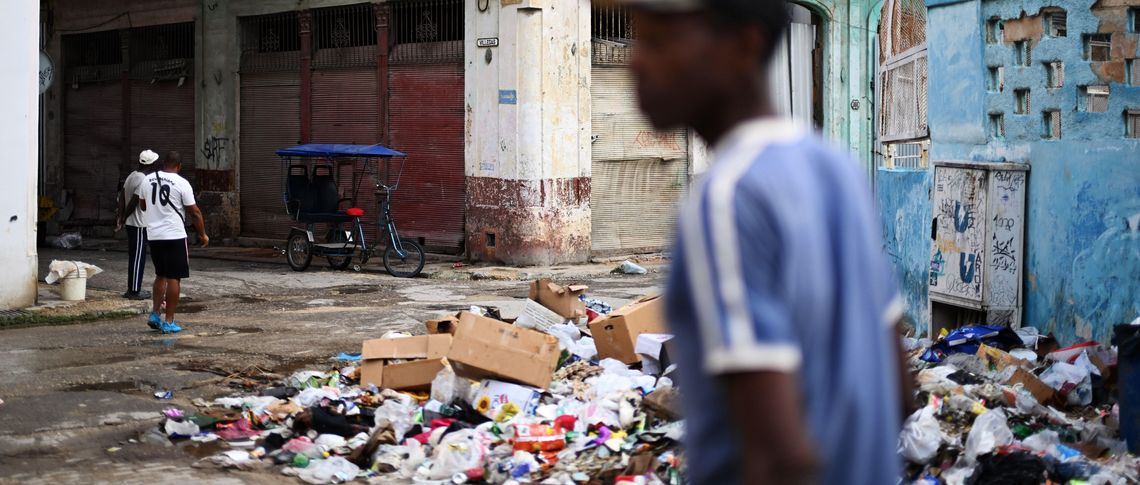








In a recent commentary, Bert Hoffmann argues that Cuba is entering a critical phase as U.S. policy increasingly restricts fuel supplies, with cascading effects on transport, food distribution, and essential services. He describes the situation as a high-stakes pressure strategy that could quickly turn a severe economic crisis into a humanitarian emergency.
The piece outlines four broad pathways that could shape what happens next: a rapid deterioration if imports remain blocked; limited and uncertain relief if sporadic shipments reach the island despite deterrence; social unrest that may still be constrained by perceptions that outcomes are decided through Washington-Havana bargaining rather than domestic mobilization; or negotiations that could bring partial de-escalation through reciprocal steps by both sides. Hoffmann concludes that Cuba’s leverage is weak but not zero, as any U.S. preference for stability would likely depend on existing state institutions, while the longer-term outlook remains uncertain and could involve new political and economic arrangements under intense external pressure.