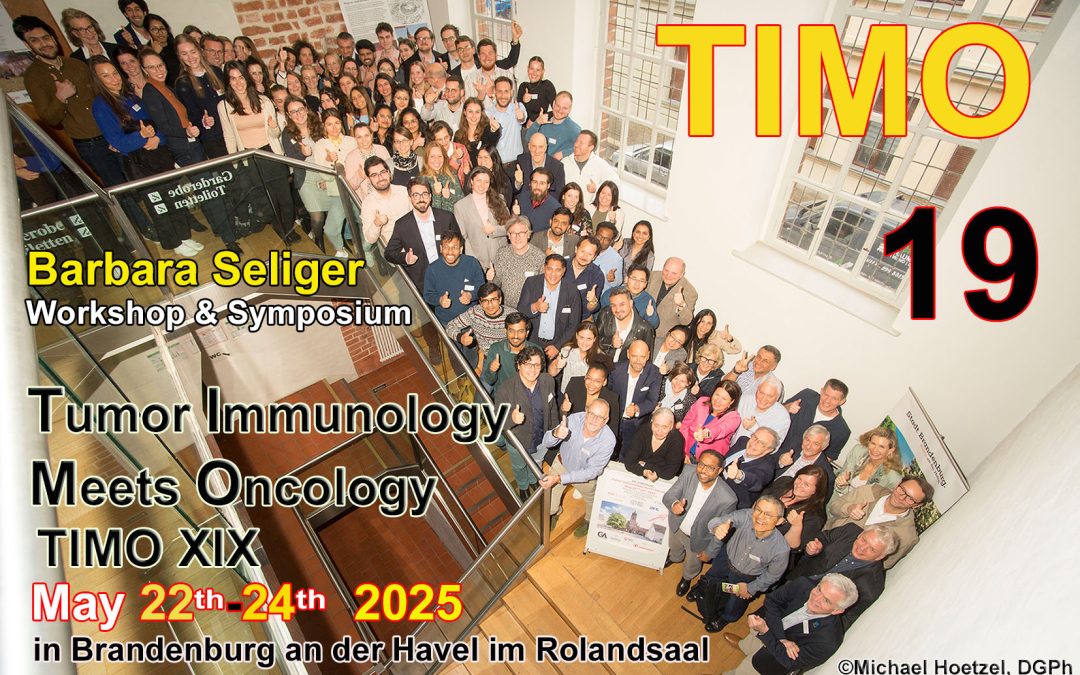
Tumor Immunology meets Oncology XIX (TIMO XIX) Workshop & Symposium 2025
Two GLACIER grantees from Halle, Dr. Ilianet Palmero Álvarez and MSc Arturo Liñan Torres, attended the TIMO 2025 Symposium in Brandenburg, Germany.
Funded by the German Federal Foreign Office
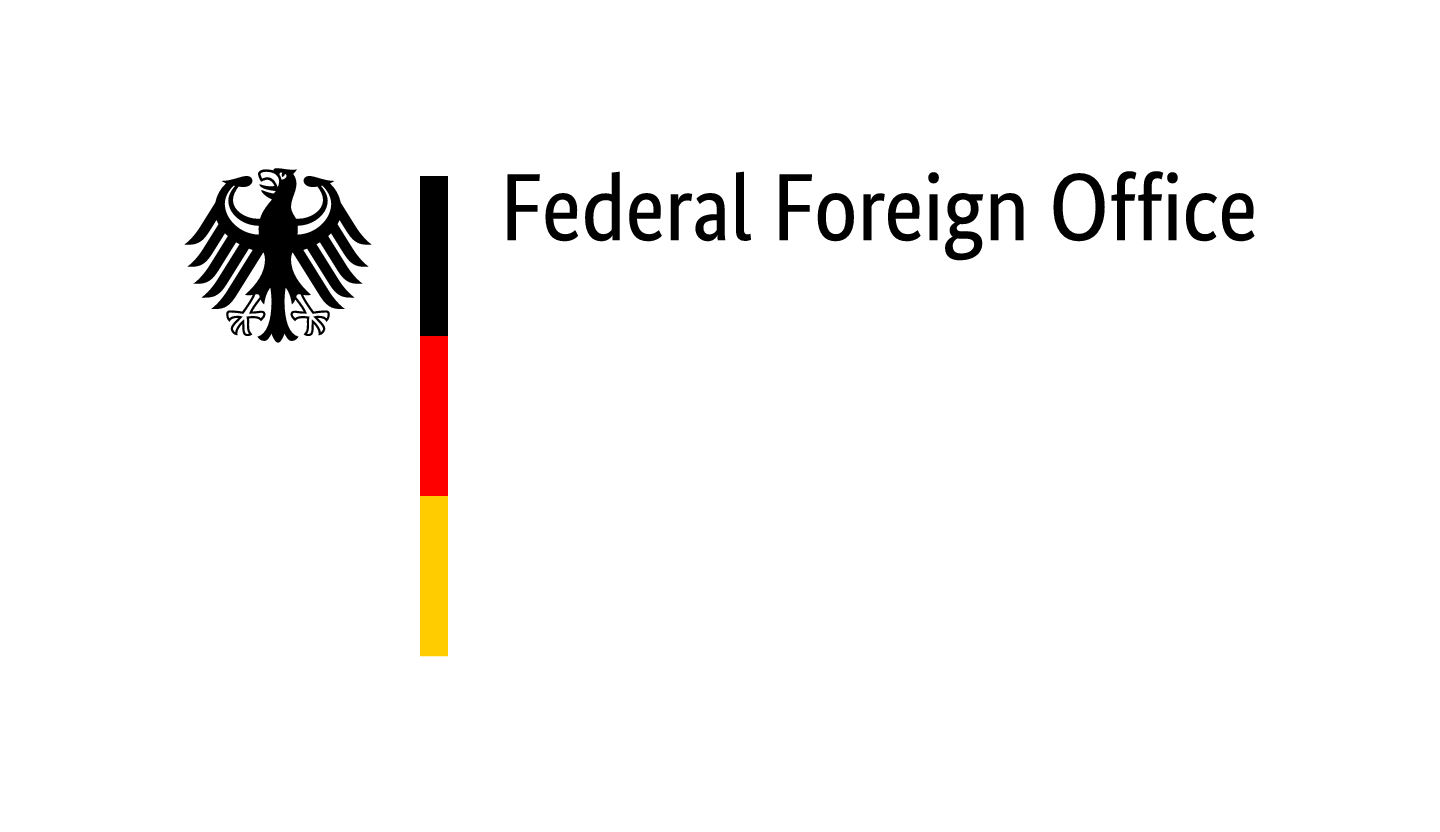








Two GLACIER grantees from Halle, Dr. Ilianet Palmero Álvarez and MSc Arturo Liñan Torres, attended the TIMO 2025 Symposium in Brandenburg, Germany.
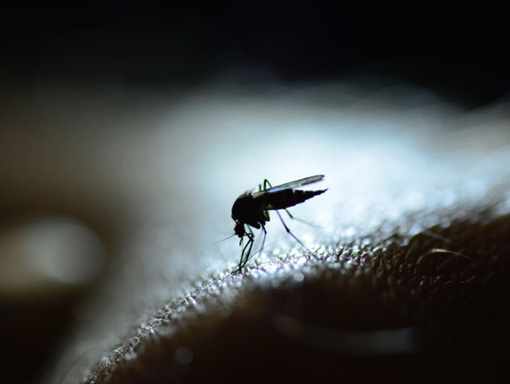
Medscape Medical News has published an article detailing what clinicians need to know in order to be better prepared to face the Oropouche Virus Disease, an arbovirus disease trasmitted primarily through bites from infected midges (Culicoides paraensis) but also through a variety of mosquito species. The disease is mainly distributed in South and Central America and the Caribbean, but cases are now being imported into Europe.
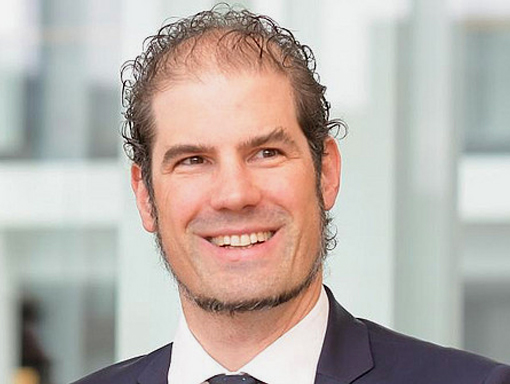
Dr. Jan Felix Drexler © GLACIER
For this article, GLACIER co-PI and Charité Medicin University researcher Dr. Jan Felix Drexler, who has studied the emergence of Oropouche fever in Latin America, was invited to speak about the topic. Among other questions, he answers:


© GLACIER
On 1 August 2024, GLACIER co-PI Dr. Felix Drexler delivered a keynote speech at the DAAD 2024 alumni meeting “Europe, Mexico, and the Region – New Common Paths.” DAAD organized this meeting for former DAAD scholarship holders, including European partners, and the European Union. The primary goal of the event was to foster and strengthen the partnership between Europe, Mexico, and Central America by focusing on the initiative of the European Commission “Global Gateway” and its five strategic areas: the digital sector, climate and energy, transport, health, and education and research.
In this light the 20th anniversary of the commonly organized study-fair EUROPOSGRADOS and 20 years of ERASMUS Mundus provided an excellent framework to reflect on years of successful
collaboration and explore new avenues for future cooperation.
Through panel discussions, workshops, and networking sessions, the event sought to provide a platform for DAAD-alumni and partners to share insights, discuss innovative solutions, and forge stronger connections. Additionally, the recent attainment of the PACA status (Pillar assessment contribution agreement) by DAAD was highlighted, emphasizing its importance and the new opportunities it brings and looking for future project ideas that will contribute to the benefits of Europe, Mexico, and the neighboring Central American countries.
Dr. Ana Elena Escalante, also a GLACIER co-PI, attended the meeting and afterwards joined Dr. Drexler in carrying out visits in order to extend collaboration in Mexico and foster collaborations for the study of the relationship between biodiversity and zoonotic disease risk.

© GLACIER
From left to right: Dr. Susana Magallón, director of the Institute of Biology, UNAM; Dr. Mariana Munguía, representative from the National Comission for Biodoversity (CONABIO); Dr. Carlos Ibarra, researcher from the CINVESTAV center, Mérida; Dr. José Sarukhán, UNAM former Rector; Dr. Felix Drexler, researcher from Charité Universitätzmedizin-Berlin and GLACIER co-PI; Dr. Ana E. Escalante, director of the Institute of Ecology, UNAM, and GLACIER co-PI.
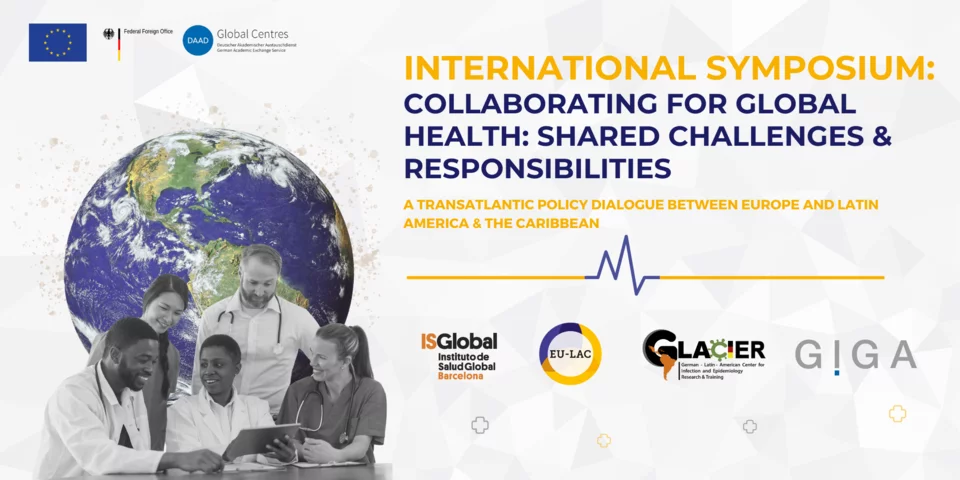
© EU-LAC Foundation
Today the European Union – Latin America and Caribbean International Foundation (EU–LAC Foundation) and the German-Latin American Centre for Infection and Epidemiology Research (GLACIER) are joining forces to convene an International Symposium ‘Collaborating for Global Health: Shared Challenges & Responsibilities’, to be held on 25 June 2024 at the Charité, Berlin.
The Covid-19 pandemic showed in dramatic form that health is a global issue; it also evidenced how interdependent our societies and economies are, and how ill-prepared we were to engage in bold and solidarity-based cooperation across national borders and world regions.
Based on these experiences of the Covid-19 pandemic and the multiple health, climate and food security crises that we face, there is consensus among decision-makers in Latin America and the Caribbean and Europe on the need for a transition to more sustainable forms of cooperation. The Heads of State and Government who convened in Brussels last July committed, in paragraphs 27, 28 and 30 of the Declaration of the EU-CELAC Summit 2023, to improve cooperation and
coordination on issues of common interest, such as health; to generate investments for health infrastructure through the Global Gateway initiative; to boost local manufacturing of vaccines, medicines and other health technologies; and to strengthen the resilience of health systems to improve prevention, preparedness and response to public health emergencies, in support of the CELAC Health Self-Sufficiency Plan.
This high-level one-day event will bring together researchers from different disciplines, specialised organisations, public officials and interested members of the general public from Europe and Latin America and the Caribbean to learn from the pandemic experience and to discuss how to develop more robust and reliable structures and mechanisms for cooperation to enable both regions to engage in more coordinated measures to prepare for and respond to current and future health
challenges.
The Symposium will address questions such as:
The international symposium will be open to the public (prior previous registration) and structured around three thematic panels and a concluding roundtable which will be moderated by representatives of the EU-LAC Foundation and GLACIER.
The first panel will focus on the heterogeneity of responses to the COVID-19 pandemic in both regions. As Latin America and the Caribbean suffered high rates of infection and mortality in the early stages of the pandemic, vaccine development, availability and distribution became a key point of friction between the two regions. What needs to change to ensure a more equitable and more efficient response in the future? Policies also varied widely within regions – and within countries – from vaccination as to nonpharmaceutical interventions, testing policies, diagnosis, and treatment. What best-practice lessons can we draw from these different approaches?
The second panel will focus explicitly on the issue of cooperation and coordination – which we saw diminish even between neighbouring countries during the pandemic. Contacts in established networks became fewer and more fragile; trust and established forms of cooperation dwindled. What structures do we need to make cooperation across institutions, countries and regions a self-evident and reliable practice, both in emergency and non-pandemic situations? How can we leverage structures and methods of cooperation in existing networks more effectively? Do Europe and Latin America and the Caribbean need supranational regional pandemic prevention centres?
In the third panel invited experts will discuss the ever-important issue of financial resources – an essential ingredient to facilitate the provision of health services as a public good and to strengthen the work of research consortia, collaborative initiatives and health alliances. While some proposals for change may require nothing more than goodwill and initiative, others depend crucially on funding. What resources – public and private – can be mobilised in Europe and in Latin America and the Caribbean to support sustainable and effective health structures? What viable options and instruments do we have at international, regional and national levels, and where are the gaps? While the issues at stake are global, can we find effective responses in regional and bi-regional cooperation? What opportunities does the EU-LAC Global Gateway Investment Agenda offer in this regard?
The symposium will conclude with a roundtable discussion in which scientists, practitioners and public officials from Europe and Latin America and the Caribbean will outline their visions on how to move forward in addressing the shared health challenges in a spirit of shared responsibilities.
The event will conclude with a reception at Charité to deepen contacts and facilitate networking among participants and the audience.
As a follow-up to the symposium, a policy brief will summarise the main take-aways and outline recommendations for improving cooperation and policymaking at all levels. The publication as part of the EU-LAC Foundation’s policy brief series will ensure a wide dissemination among interested audiences in both regions.
The language of the event will be mostly in English. However, simultaneous interpretation will be provided in English and Spanish for those who require it. The interpretation will be provided through the “Zoom” platform, where the interpreters will be connected in the respective channels in a specific Zoom session, according to the language of preference.
Participants attending the event on site in the Charité in Berlin who need the interpretation are kindly requested to bring with them an electronic device, either a laptop, a tablet or a cell phone, through which they can access the platform. It will also be necessary for each participant to bring their own headphones to listen to the interpretation services. The room where the meeting will take place has Wi-Fi, the code of which will be provided upon entering the venue.
Prof. Felix Drexler / GLACIER, Charité: felix.drexler@charite.de
Dr. Anna Barrera / EU-LAC Foundation: abarrera@eulacfoundation.org
Prof. Bert Hoffmann / GLACIER, GIGA: bert.hoffmann@giga-hamburg.de
Text taken from the EU-LAC Foundation website.
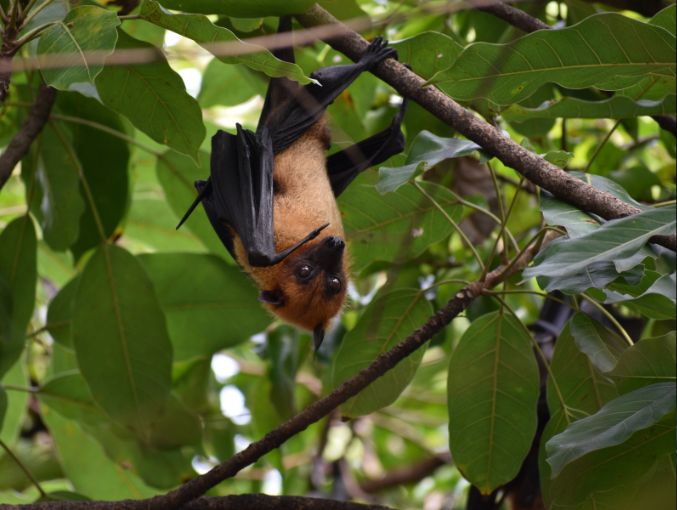
Dr. Andrés Moreira Soto, research fellow at the Charité University hospital in Berlin, associate of the University
Bats are known to be transporters of different viral and bacterial infections. The web-based online lecture addresses recent explorations of situations where bats could possibly play a significant part in the transmission pattern of infections caused by microorganisms such as the Zika virus and coronaviruses, and bacteria like brucellosis, among others.
Dr. Moreira Soto inspected the molecular mechanisms of emergence and the potential public health problems that might arise.
Overall, the lecture sought to examine the complicated connections between microbes, bats, people, and emerging infectious diseases, providing a space to discuss disease emergence dynamics.
Passcode: uU*Fp0+^

UNAM Germany and the Institute of Ecology, UNAM, have created a short dissemination video for the Fair of Science and Humanities 2023 (Fiesta de las Ciencias y las Humanidades 2023) organized by UNAM’s Department of Science Dissemination (@DGDCUNAM).
The video (in Spanish) will be broadcasted live on 15 october 2023 at 18:15 (GMT-6).