




Sampling Workshop in Mérida, Yucatán (México) – Call Closed

Sampling Workshop in Mérida, Yucatán (México) – Call Closed
Workshop description

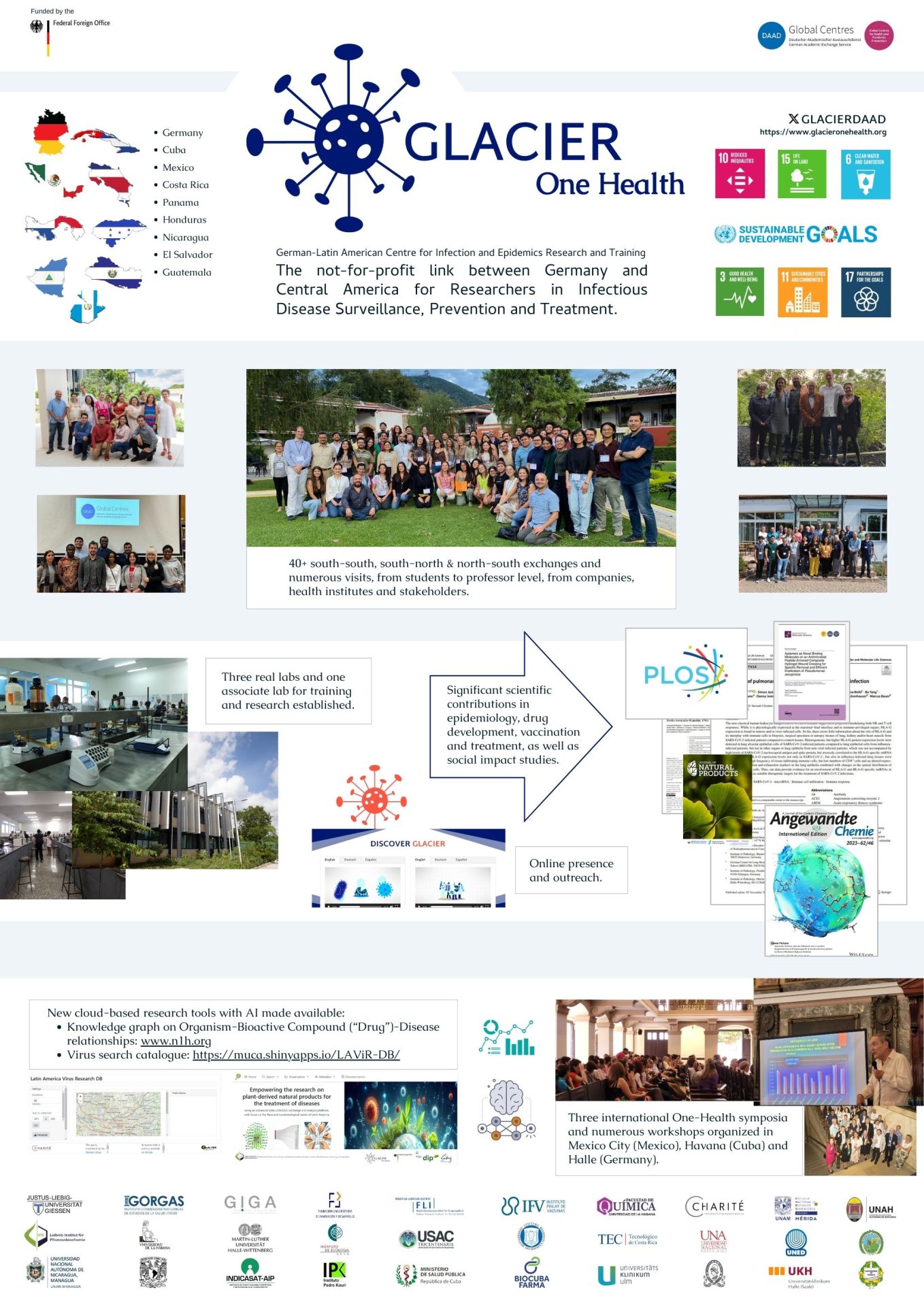
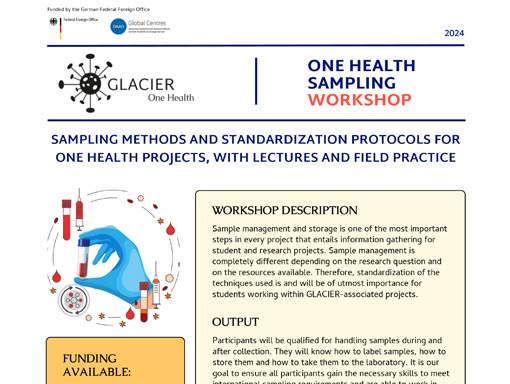
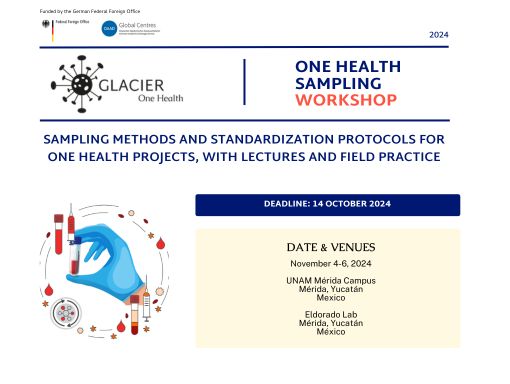
Sample management and storage is one of the most important steps in every project that entails information gathering for student and research projects. Sample management is completely different depending on the research question and on the resources available. Therefore, standardization of the techniques used is and will be of utmost importance for students working within GLACIER-associated projects.

Output

Participants will be qualified for handling samples during and after collection. They will know how to label samples, how to store them and how to take them to the laboratory. It is our goal to ensure all participants gain the necessary skills to meet international sampling requirements and are able to work in accordance with German institutions’ standards and protocols.

One of the workshop’s objectives is to produce standardized procedures for sample management and storage for animal, plant and bioethical-importance resources.

***FUNDING AVAILABLE***

Click below to see the full description:
GLACIER at the DAAD Global Centres Conference

GLACIER at the DAAD Global Centres Conference

© DAAD/Stefan Zeitz

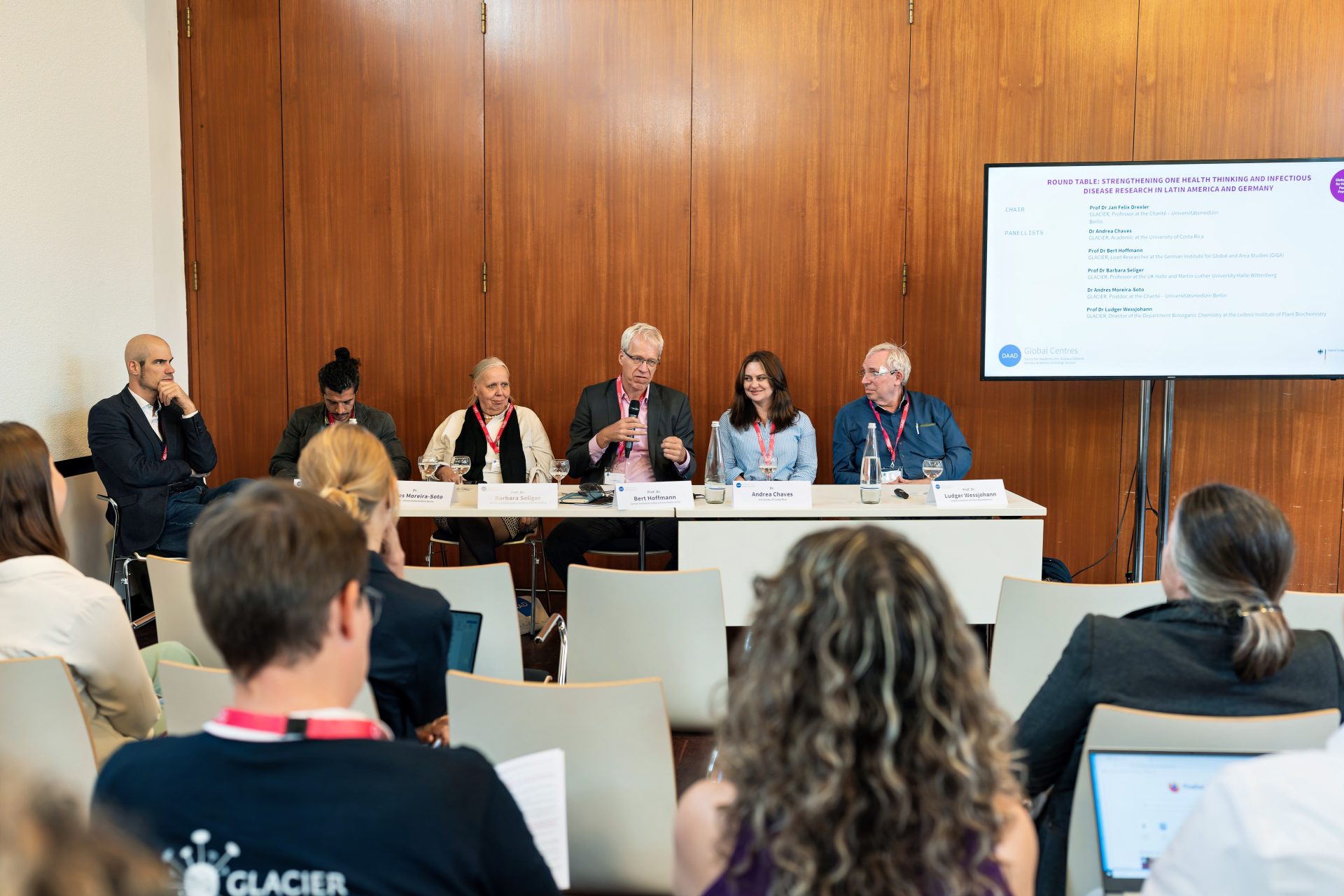
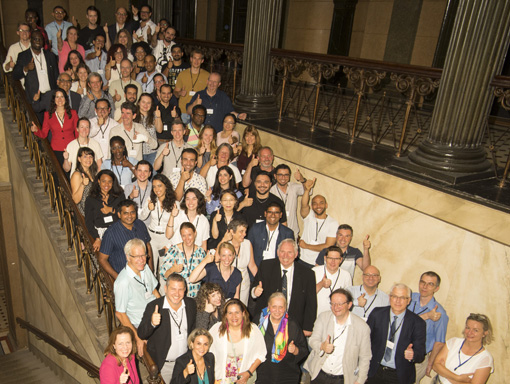
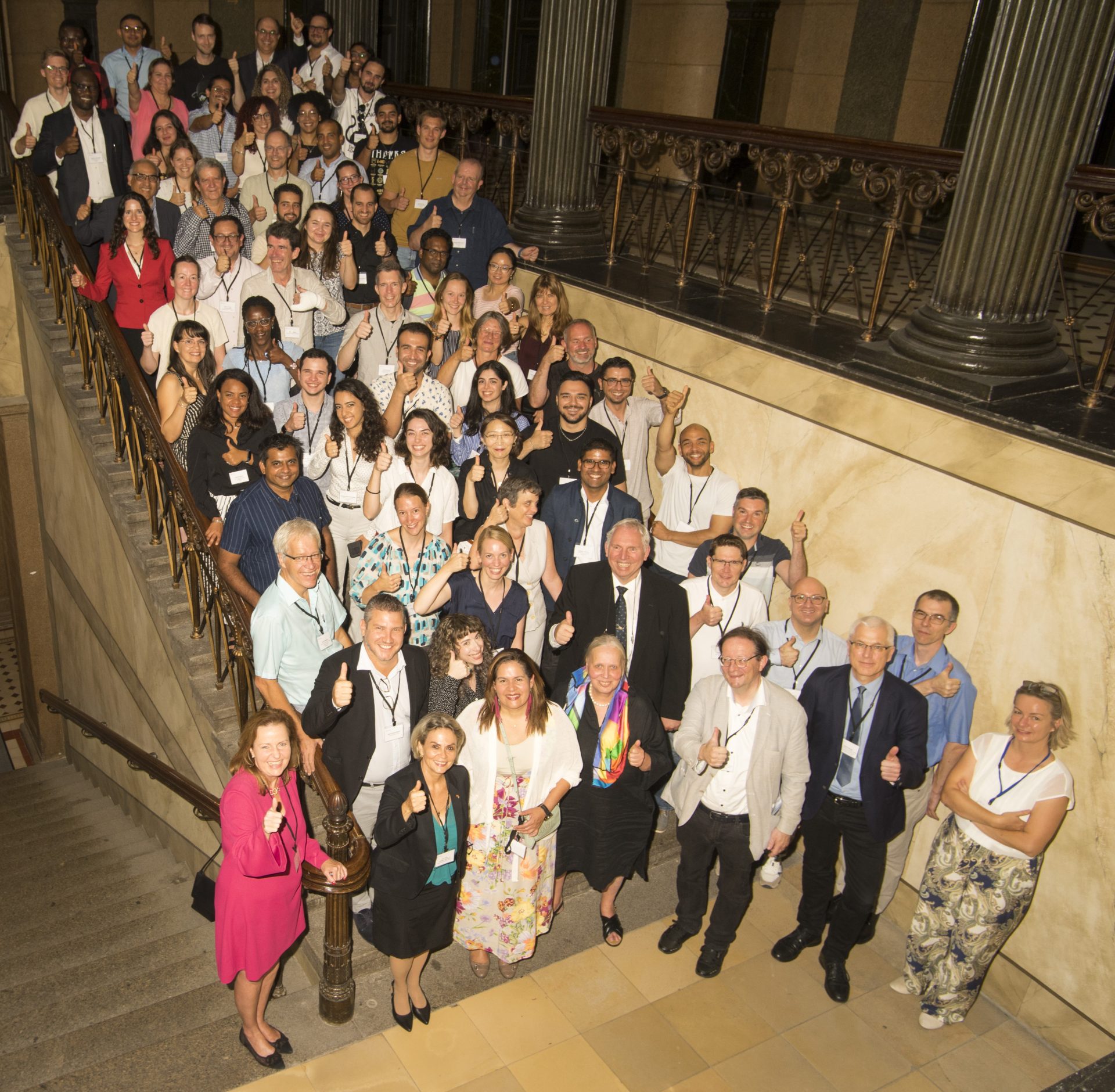
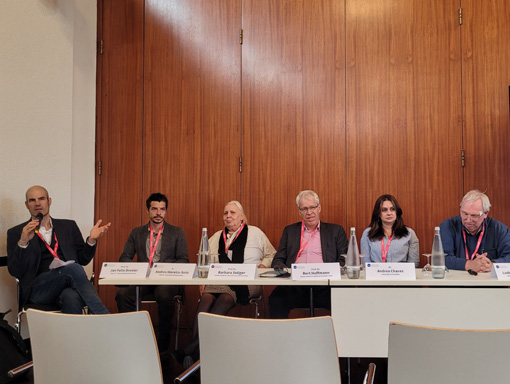
From 10 to 12 September 2024 the DAAD hosted their biennial Global Centres Conference, where the eight DAAD-funded global centres of which GLACIER is part reunited and shared their progress in Berlin, Germany.

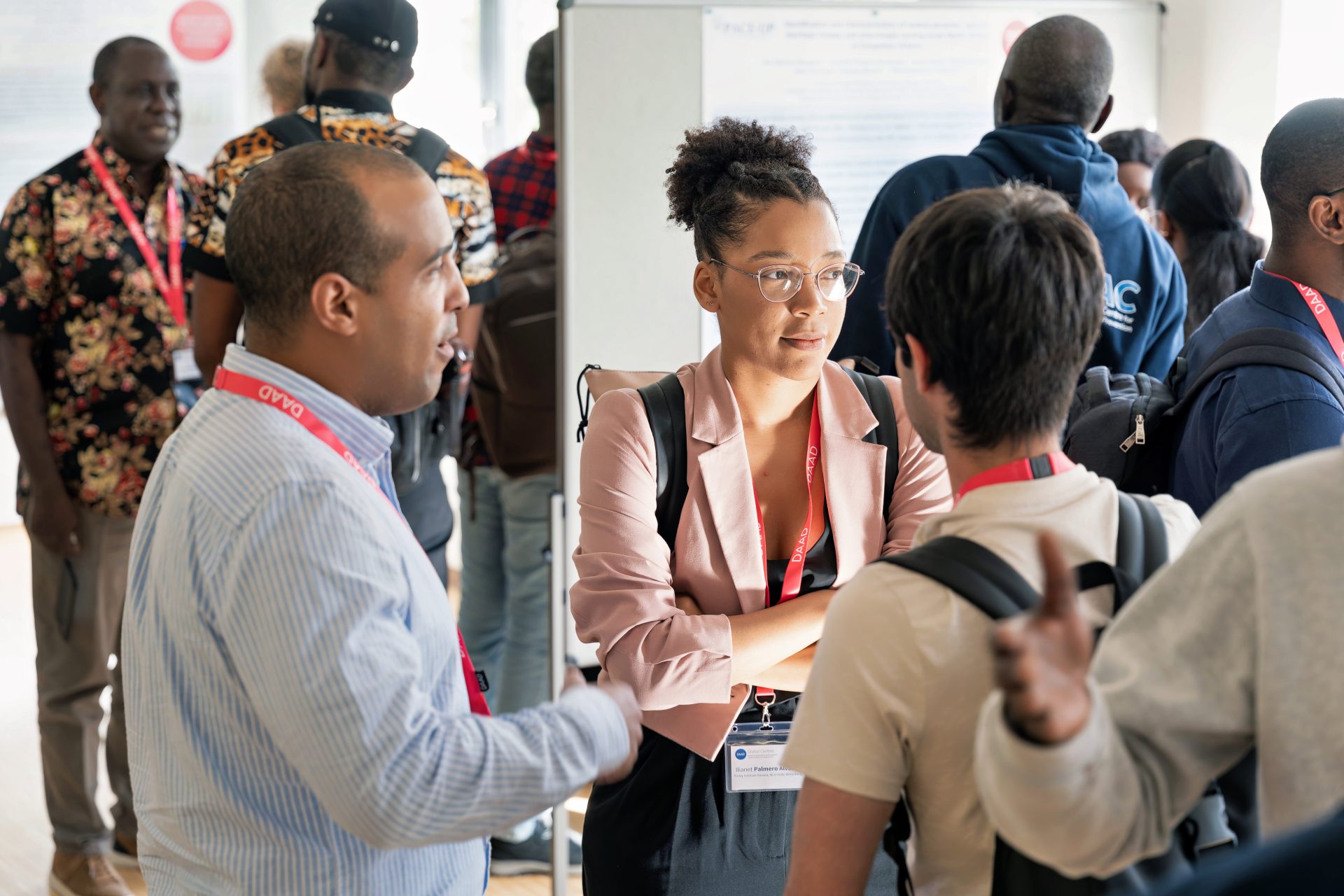
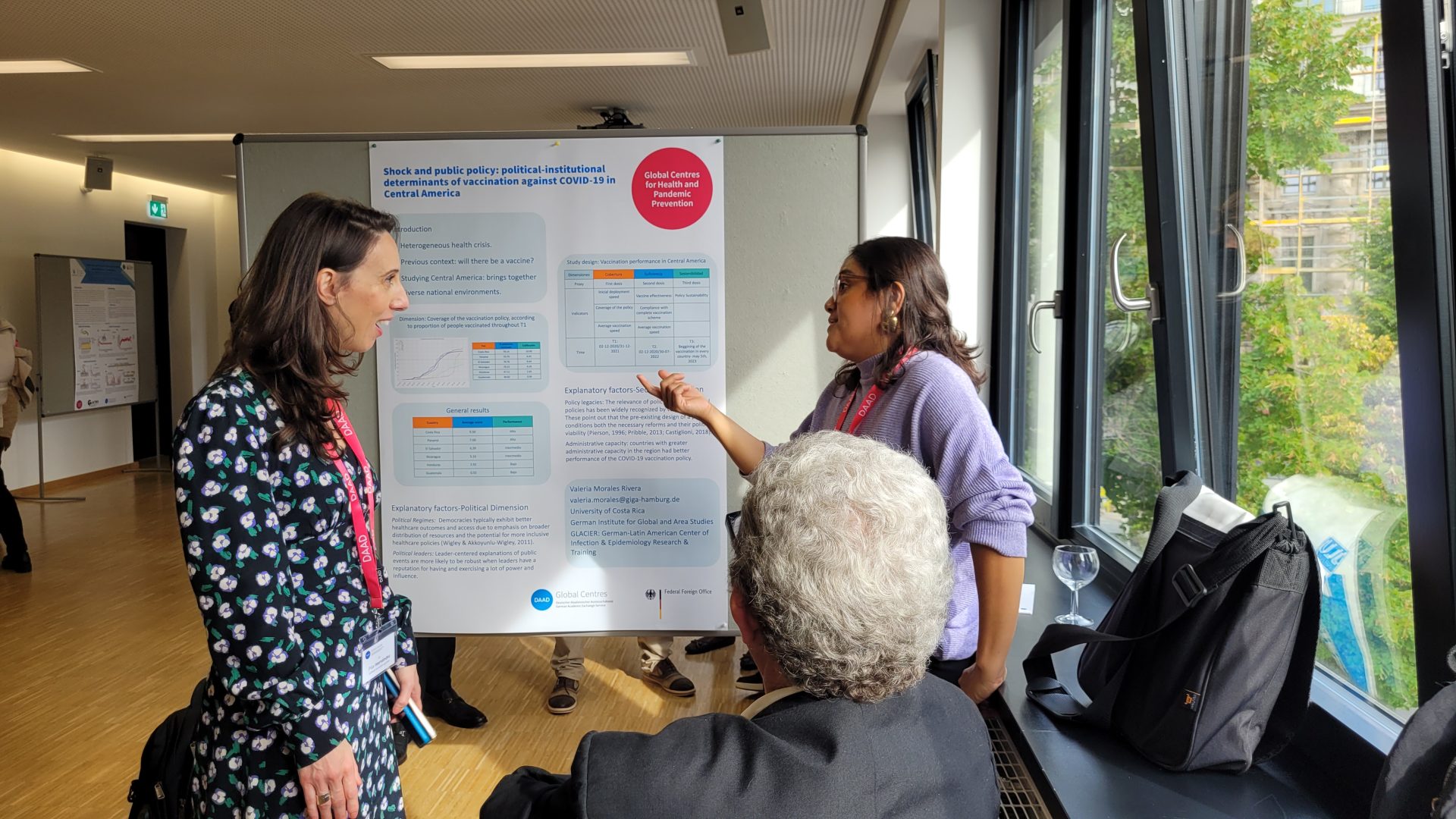
GLACIER participated with several talks, scientific posters, a round table, and also taking part in the workshops and in the exchange of the centre’s students experiences at a focused PhD student round table.

© DAAD/Stefan Zeitz

© GLACIER/Esmeralda Osejo Brito

Overall, the conference was a big success. There was intense discussion on the importance of the GLACIER impact regions and how the centre’s goals related to the needs of other countries in the global south.

There was an exchange of information through talks, round tables and participative workshops of projects and activities currently carried out by all the centres, where common problems, reseach lines, obstacles, experiences and goals could converge and alignments were outlined.

Some of the key points addressed were:

        • The need for alignment between the centres’ efforts and funding opportunities provided by international, non-profit and governmental institutions, among others
        • The need for more interdisciplinary and transdisciplinary research and collaboration
        • Possibilities for more intense collaboration between countries in the global south
        • The importance of the sustainability of the centres’ impacts

There was a noticeable number of parlamentarian and governmental representatives taking part in the event and sharing their opinions and points of view on the importance and future of the centres.


© GLACIER/Esmeralda Osejo Brito

The spirit of collaboration and sharing with other centres was present throughout, and connections were strengthened. There was also a chance for the environmental and health centres to interact beyond their area of research and discover different, enriching perspectives and contributions from other scientific areas.

© DAAD/Stefan Zeitz

© GLACIER/Esmeralda Osejo Brito

© GLACIER

2024 GLACIER One Health International Symposium in Halle, Germany

2024 GLACIER One Health International Symposium in Halle, Germany

© GLACIER

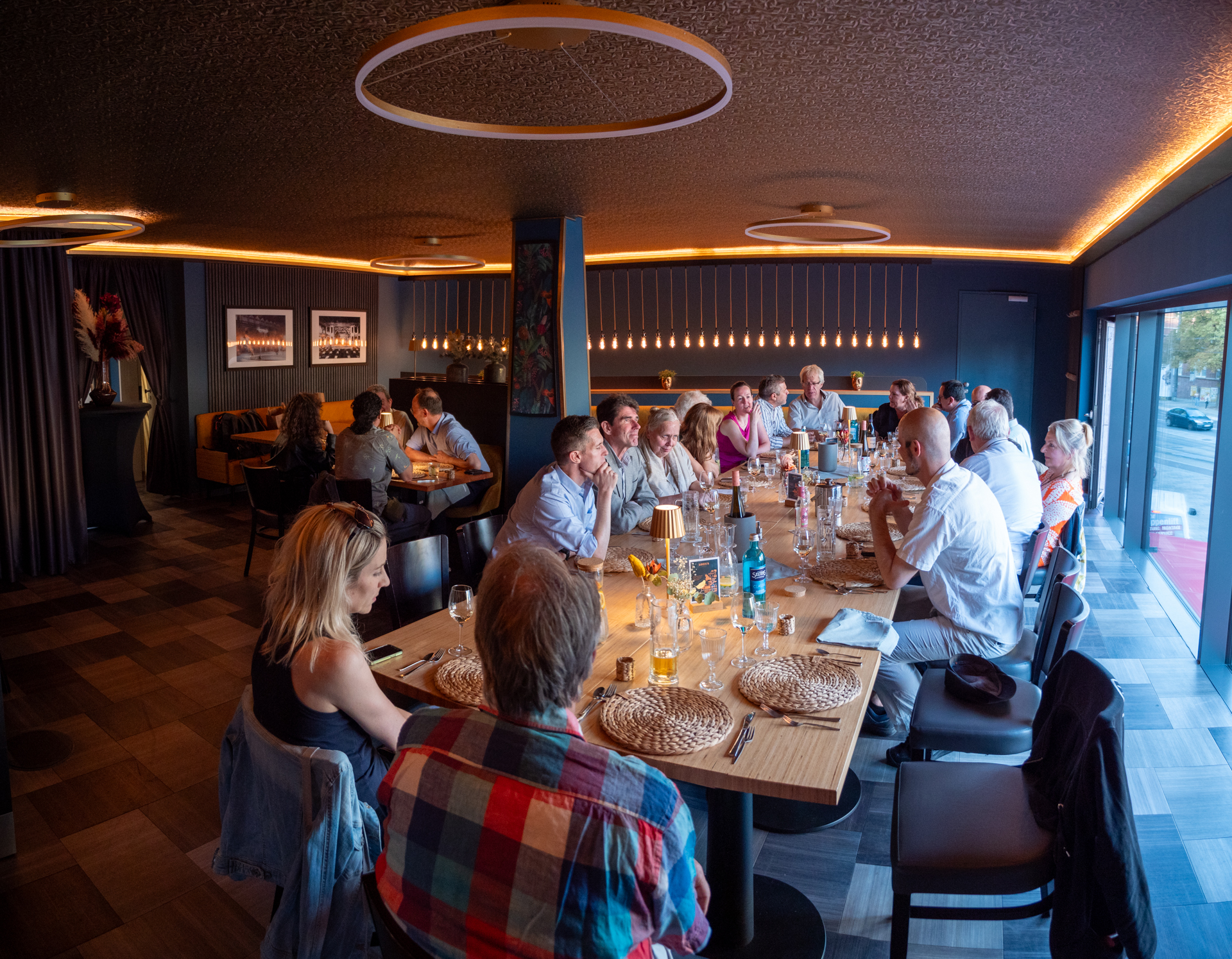
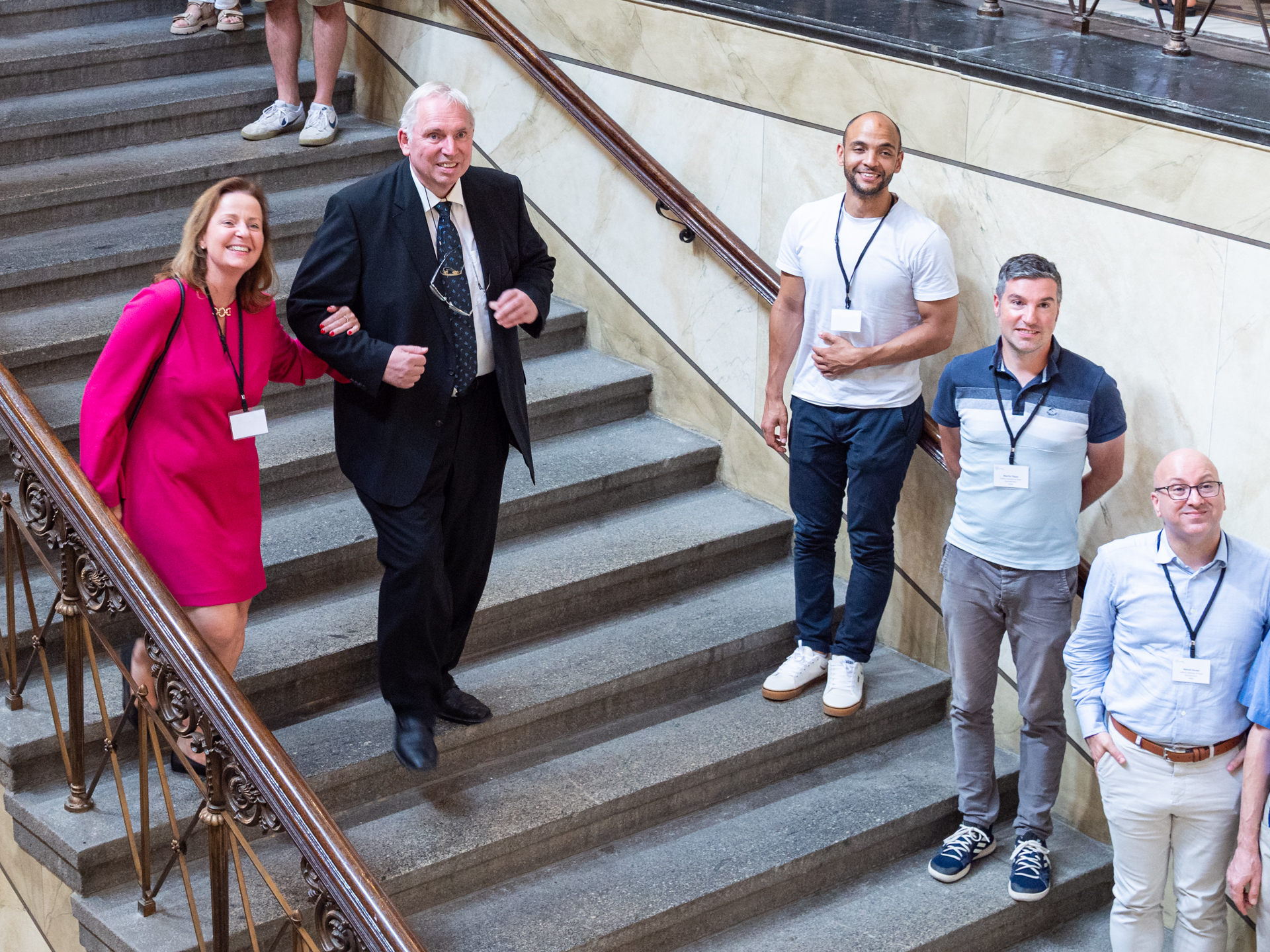
In 20-22 August 2024 our yearly one health international symposium took place at the Martin Luther University Halle-Wittenberg (MLU) in Halle(Saale), Germany.

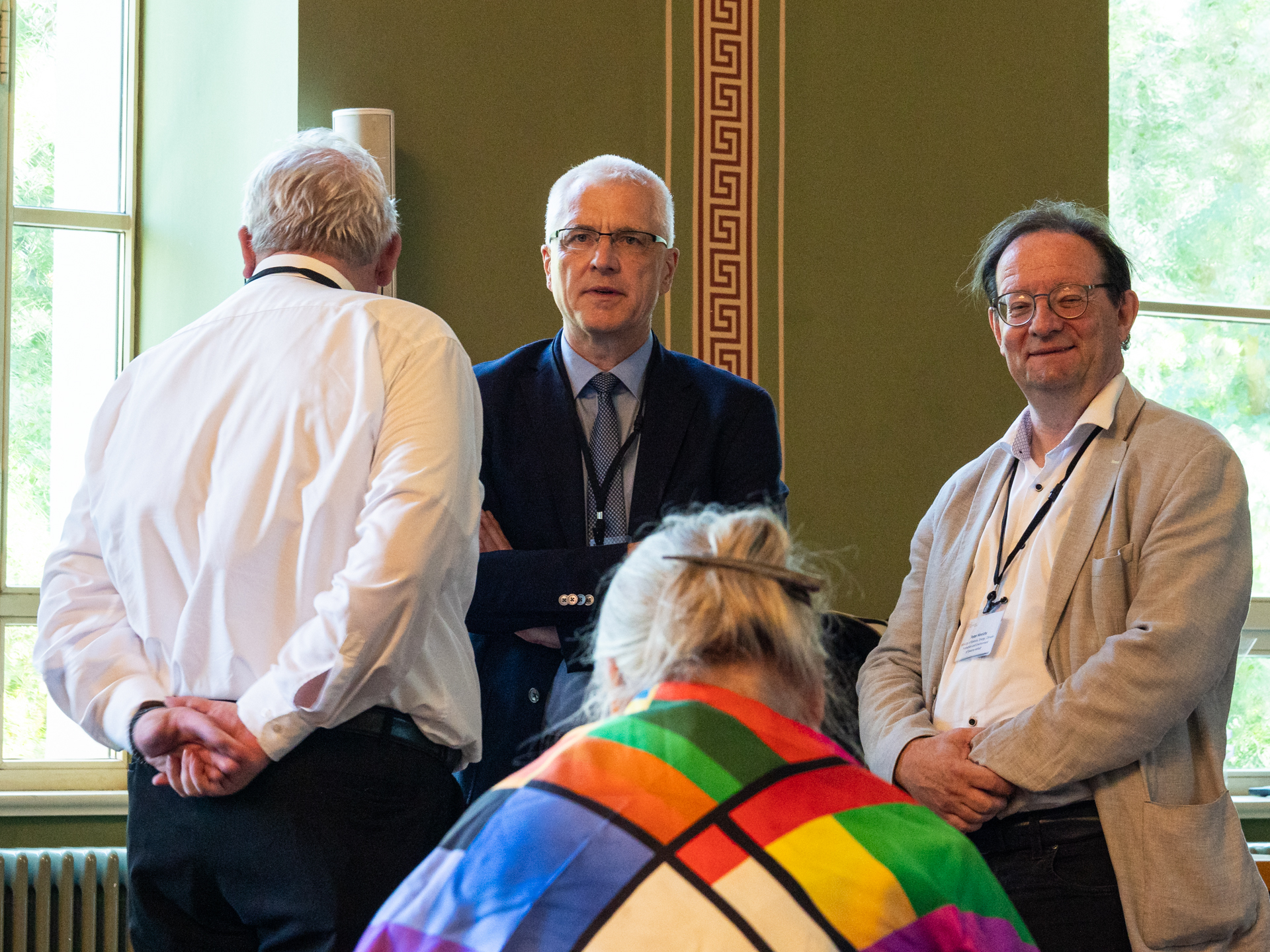
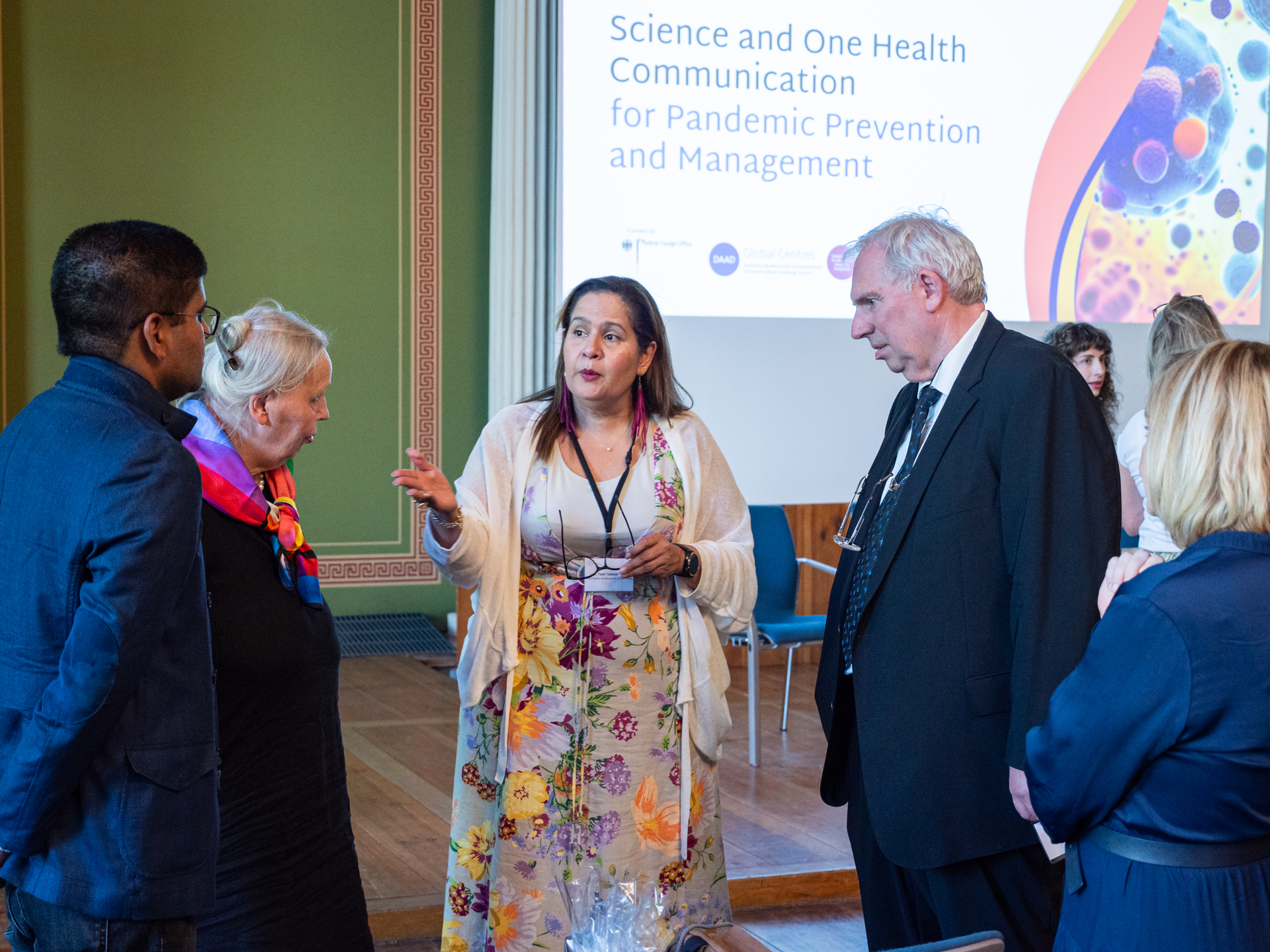
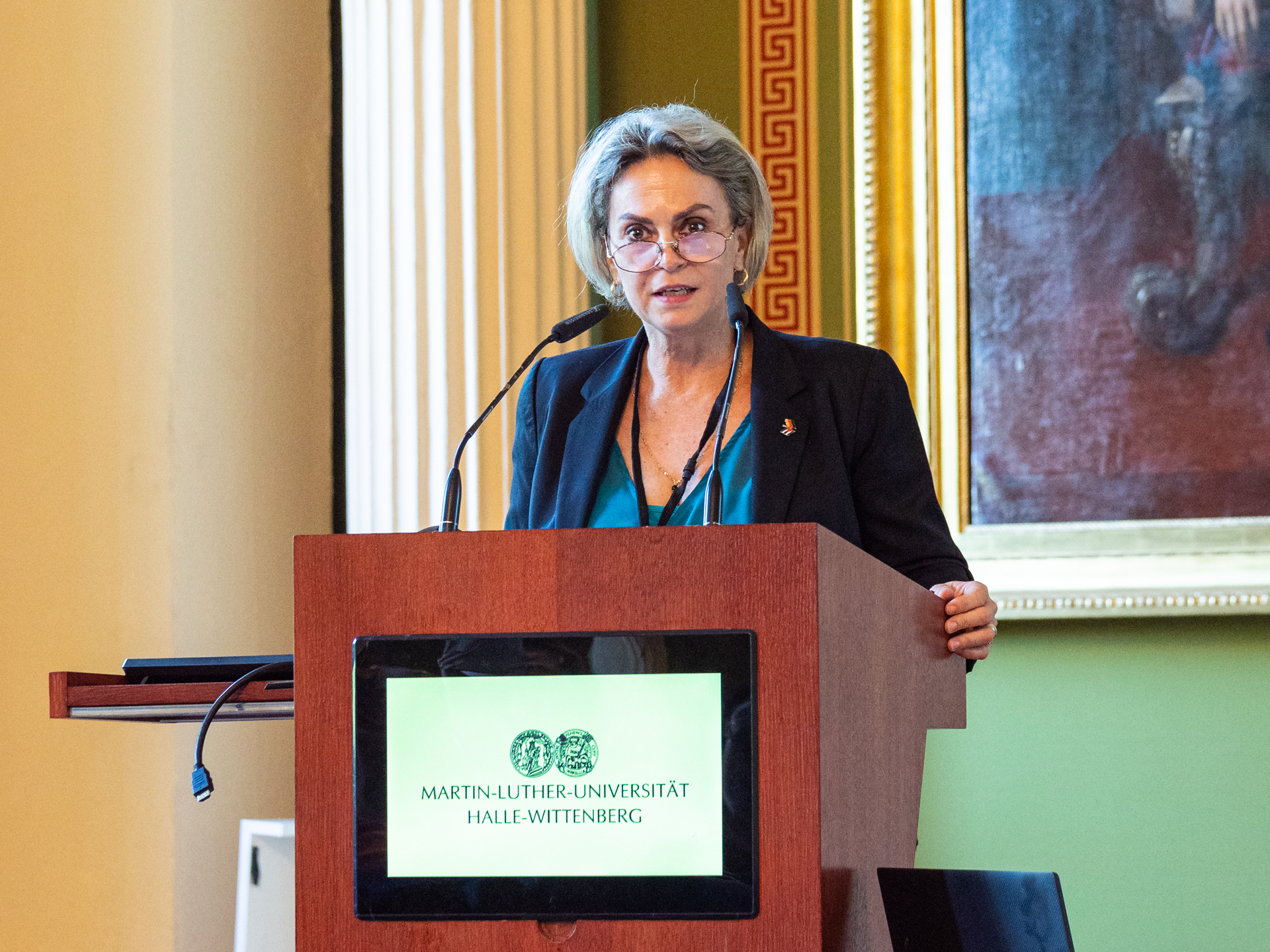
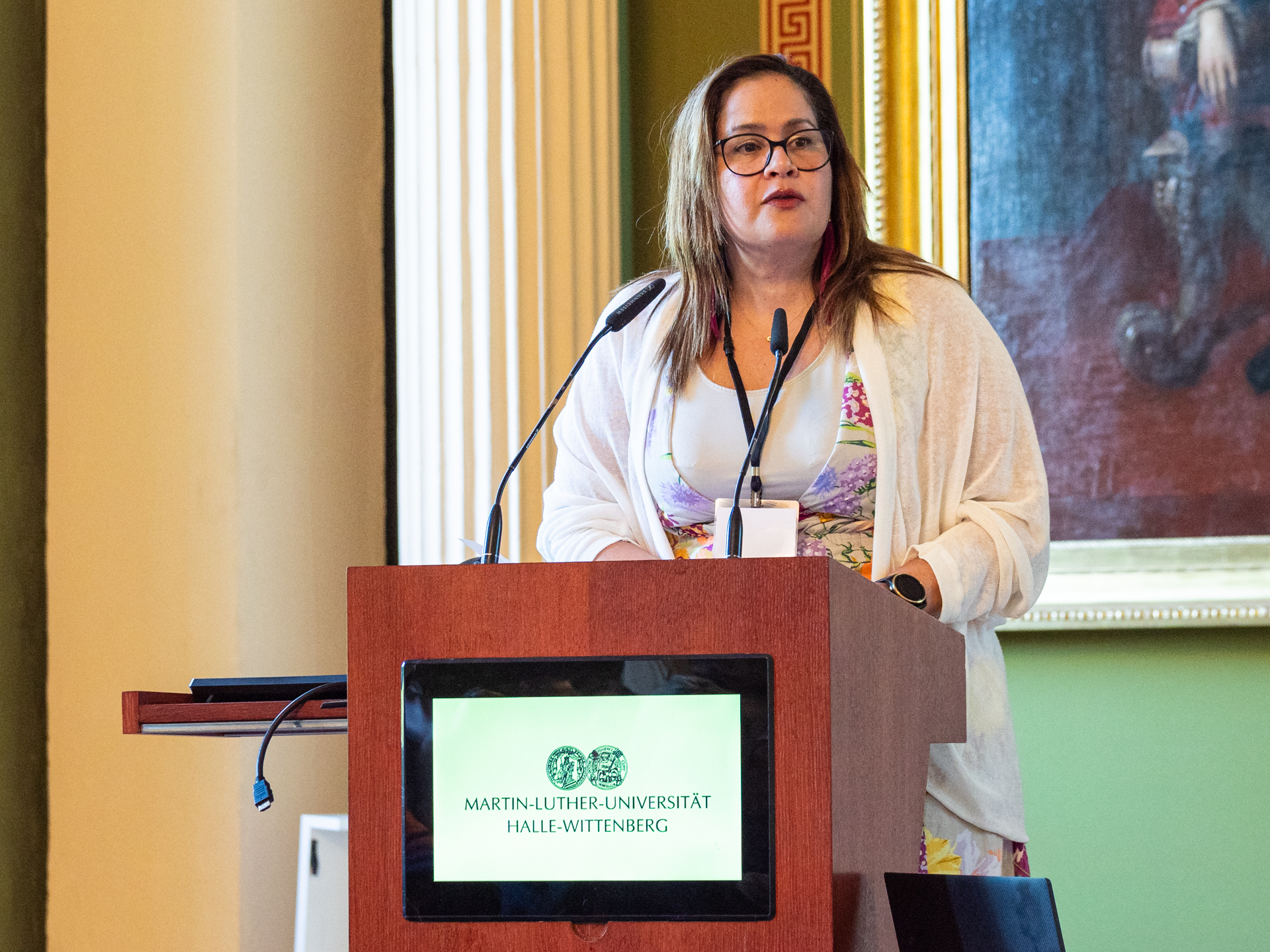
Dr. Barbara Seliger and Dr. Ludger Wessjohann, GLACIER co-PIs and responsible for the organization of this year’s symposium, inaugurated the event, followed by opening words by Prof. Heike Kielstein, Dean of the MLU Medical Faculty, Dr. Peter Hinrichs, from the Ministry of Environment, Agriculture and Energy, State of Saxony-Anhalt, Prof. Dr. Axel Brakhage from Leibniz Institute for Natural Product Research and Infection Biology – Hans Knöll Institute, vice president German Research Foundation, and at last but not least by H.E. Juana Martinez Gonzalez, Cuban Ambassador to Germany and H.E. Yadir Salazar Mejía, Colombian Ambassador to Germany.

© GLACIER

Among our participants, we had speakers from Europe, Israel, the USA and Latin America, as well as members from the World Health Organization (WHO). In seven different thematic sessions, experts from the fields of medicine, biology, chemistry and pharmacy, as well as stakeholders from the healthcare system and social sciences, presented their analyses on lessons learned from the COVID-19 pandemic, developments in the field of infectious disease and epidemic treatment, communication strategies and obstacles between society, academia and policymakers.

© GLACIER

The range of topics includes not only the development of new drugs and vaccines, but also the social impact of epidemics on society. For the first time, we had a session on science communication in pandemic scenarios at this conference.

© GLACIER

© GLACIER

The event was quite successful, with enlightening presentations from experts in virology, vaccine development, disease history and ecology, immunology, transdisciplinary research on vulnerability to disease outbreaks and epidemics, and many more.

© GLACIER

For more information on this year’s symposium speakers, program and live recordings please visit our 2024 symposium website.

What should clinicians know about Oropouche Virus Disease (OROV)? Dr. Jan Felix Drexler speaks to Medscape Medical News

What should clinicians know about Oropouche Virus Disease (OROV)? Dr. Jan Felix Drexler speaks to Medscape Medical News

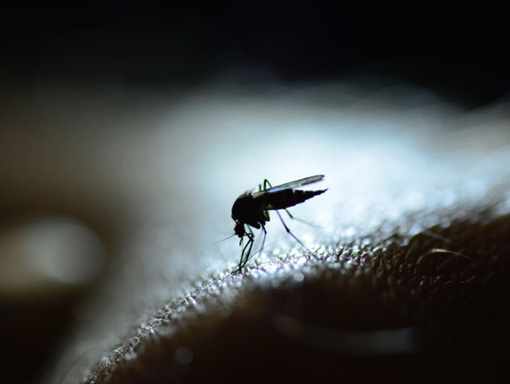
Medscape Medical News has published an article detailing what clinicians need to know in order to be better prepared to face the Oropouche Virus Disease, an arbovirus disease trasmitted primarily through bites from infected midges (Culicoides paraensis) but also through a variety of mosquito species. The disease is mainly distributed in South and Central America and the Caribbean, but cases are now being imported into Europe.

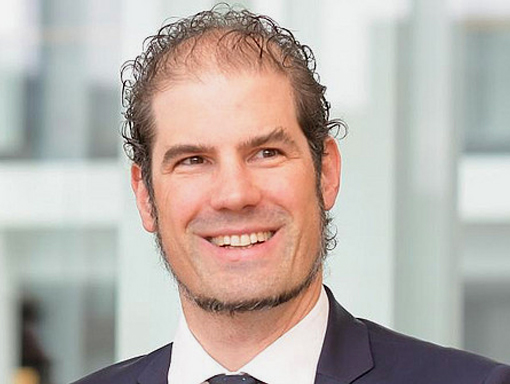
Dr. Jan Felix Drexler © GLACIER

For this article, GLACIER co-PI and Charité Medicin University researcher Dr. Jan Felix Drexler, who has studied the emergence of Oropouche fever in Latin Americawas invited to speak about the topic. Among other questions, he answers:

  • What the main symptoms of OROV disease are for which clinicians should be alert
  • What the differential diagnosis is if a recent traveler to affected regions presents with symptoms
  • What personal protective measures clinicians should advise travelers in affected areas to take

Dr. Felix Drexler delivers a keynote speech at the 2024 DAAD alumni meeting; GLACIER PIs extend collaboration in Mexico

Dr. Felix Drexler delivers a keynote speech at the 2024 DAAD alumni meeting; GLACIER PIs extend collaboration in Mexico

© GLACIER

On 1 August 2024, GLACIER co-PI Dr. Felix Drexler delivered a keynote speech at the DAAD 2024 alumni meeting “Europe, Mexico, and the Region – New Common Paths.” DAAD organized this meeting for former DAAD scholarship holders, including European partners, and the European Union. The primary goal of the event was to foster and strengthen the partnership between Europe, Mexico, and Central America by focusing on the initiative of the European Commission “Global Gateway” and its five strategic areas: the digital sector, climate and energy, transport, health, and education and research.

In this light the 20th anniversary of the commonly organized study-fair EUROPOSGRADOS and 20 years of ERASMUS Mundus provided an excellent framework to reflect on years of successful
collaboration and explore new avenues for future cooperation.

Through panel discussions, workshops, and networking sessions, the event sought to provide a platform for DAAD-alumni and partners to share insights, discuss  innovative solutions, and forge stronger connections. Additionally, the recent attainment of the PACA status (Pillar assessment contribution agreement) by DAAD was highlighted, emphasizing its importance and the new opportunities it brings and looking for future project ideas that will contribute to the benefits of Europe, Mexico, and the neighboring Central American countries.

Dr. Ana Elena Escalante, also a GLACIER co-PI, attended the meeting and afterwards joined Dr. Drexler in carrying out visits in order to extend collaboration in Mexico and foster collaborations for the study of the relationship between biodiversity and zoonotic disease risk.

© GLACIER

From left to right: Dr. Susana Magallón, director of the Institute of Biology, UNAM; Dr. Mariana Munguía, representative from the National Comission for Biodoversity (CONABIO); Dr. Carlos Ibarra, researcher from the CINVESTAV center, Mérida; Dr. José Sarukhán, UNAM former Rector; Dr. Felix Drexler, researcher from Charité Universitätzmedizin-Berlin and GLACIER co-PI; Dr. Ana E. Escalante, director of the Institute of Ecology, UNAM, and GLACIER co-PI.

GLOHRA Training Repository

GLOHRA Training Repository

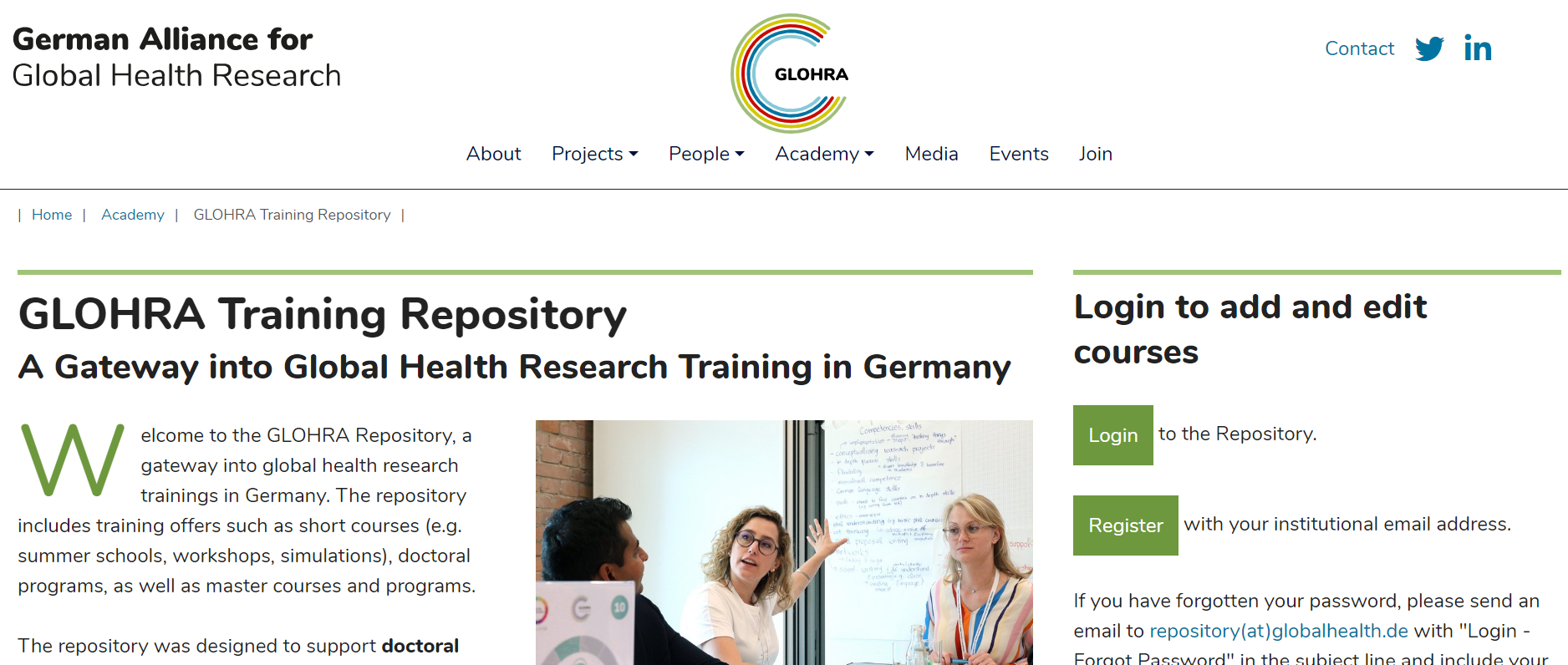
The Global Health Academy – an initiative of the German Alliance for Global Health Research (GLOHRA), has launched a free online repository with 180 training offers on Global Health research from over 80 institutions in Germany.

This online database includes training offers such as short courses (e.g. summer schools, workshops, simulations), doctoral programs, as well as master courses and programs. The repository aims to support doctoral students and postdocs from a broad spectrum of disciplines related to global health. GLOHRA members can request a log-in to edit and/or add courses offered at their institution.

The GLOHRA Training Repository is informed by the concept and data collection of researchers from the Teaching Unit of the Heidelberg Institute of Global Health (HIGH/TU), the Population Medicine and Health Services department (AG2) of the School of Public Health at Bielefeld University, and the Global Health Alliance Deutschland (GHA-D).