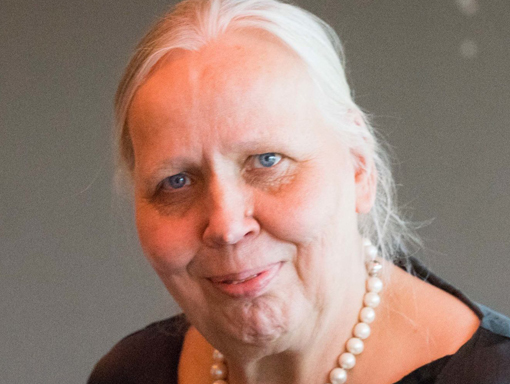
Workshop on the Harmonization and Standardization of Protocols for Molecular Diagnostics and Serological Analysis of Viral Hepatitis E

Workshop on the Harmonization and Standardization of Protocols for Molecular Diagnostics and Serological Analysis of Viral Hepatitis E

© PACE-UP/Dr. Velavan

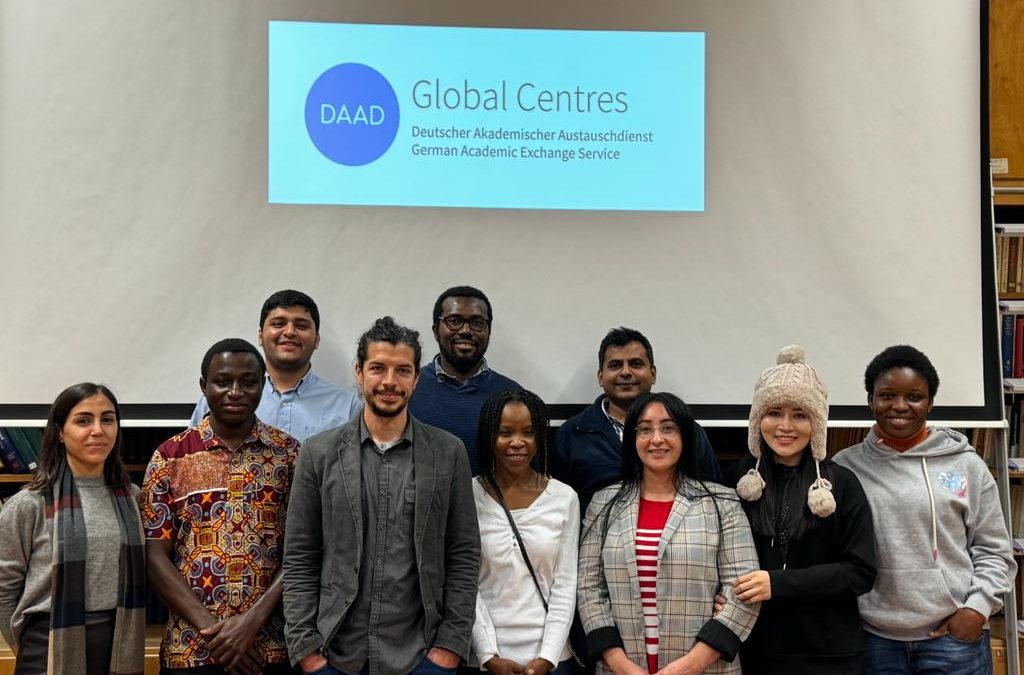
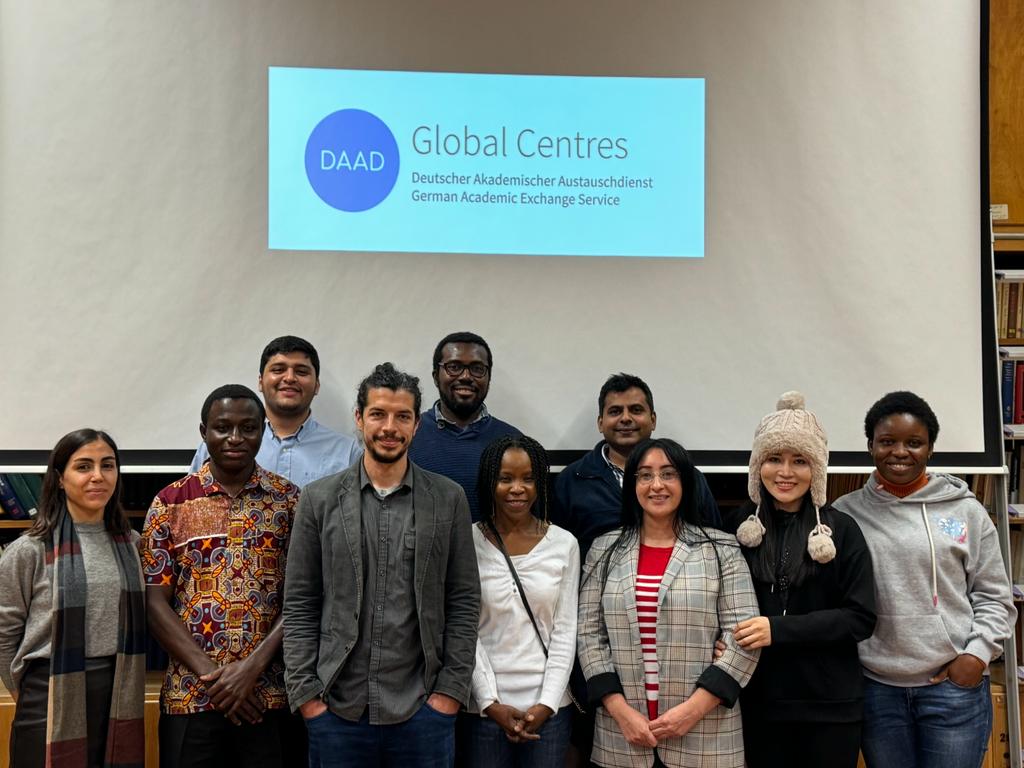
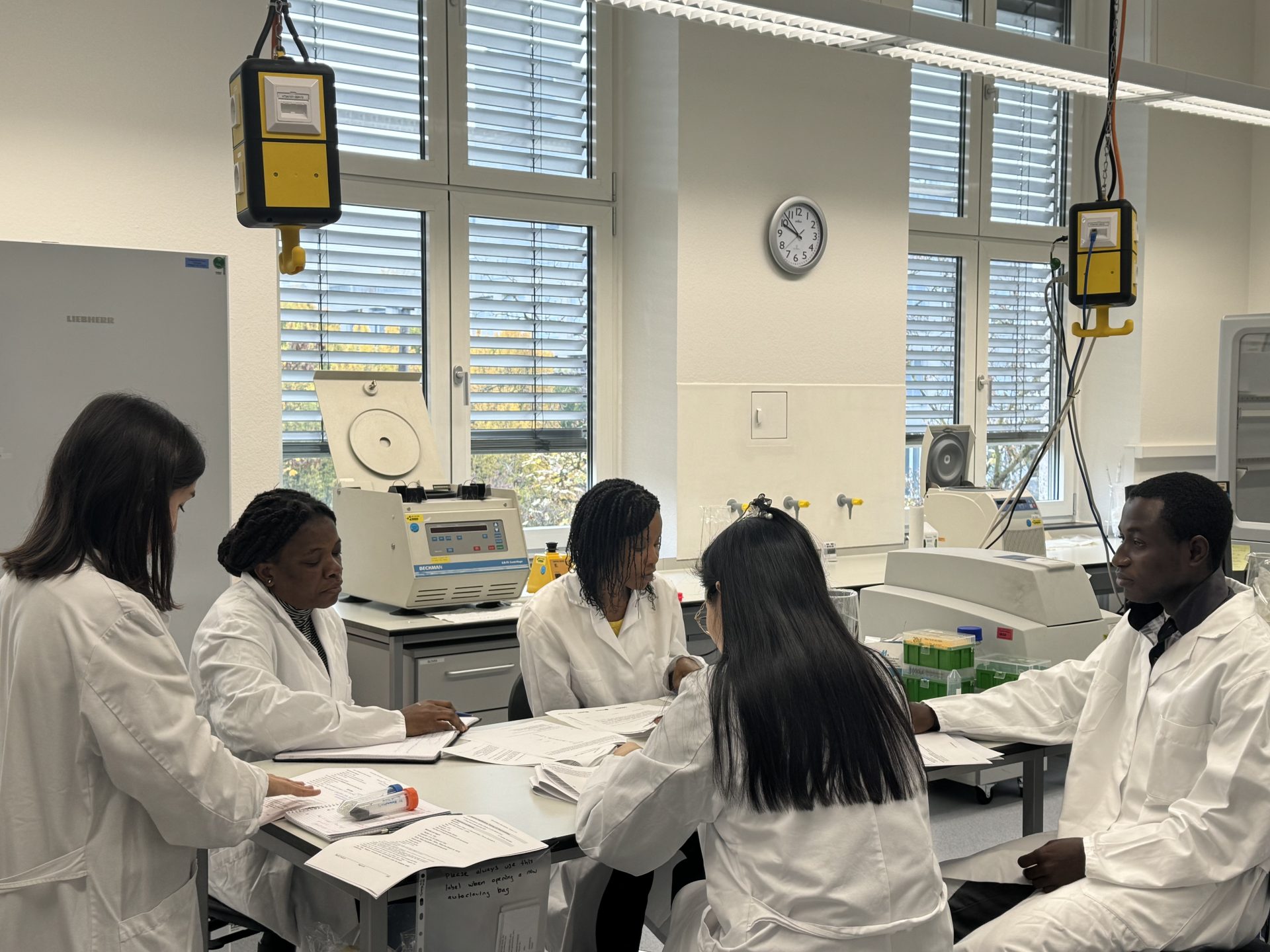
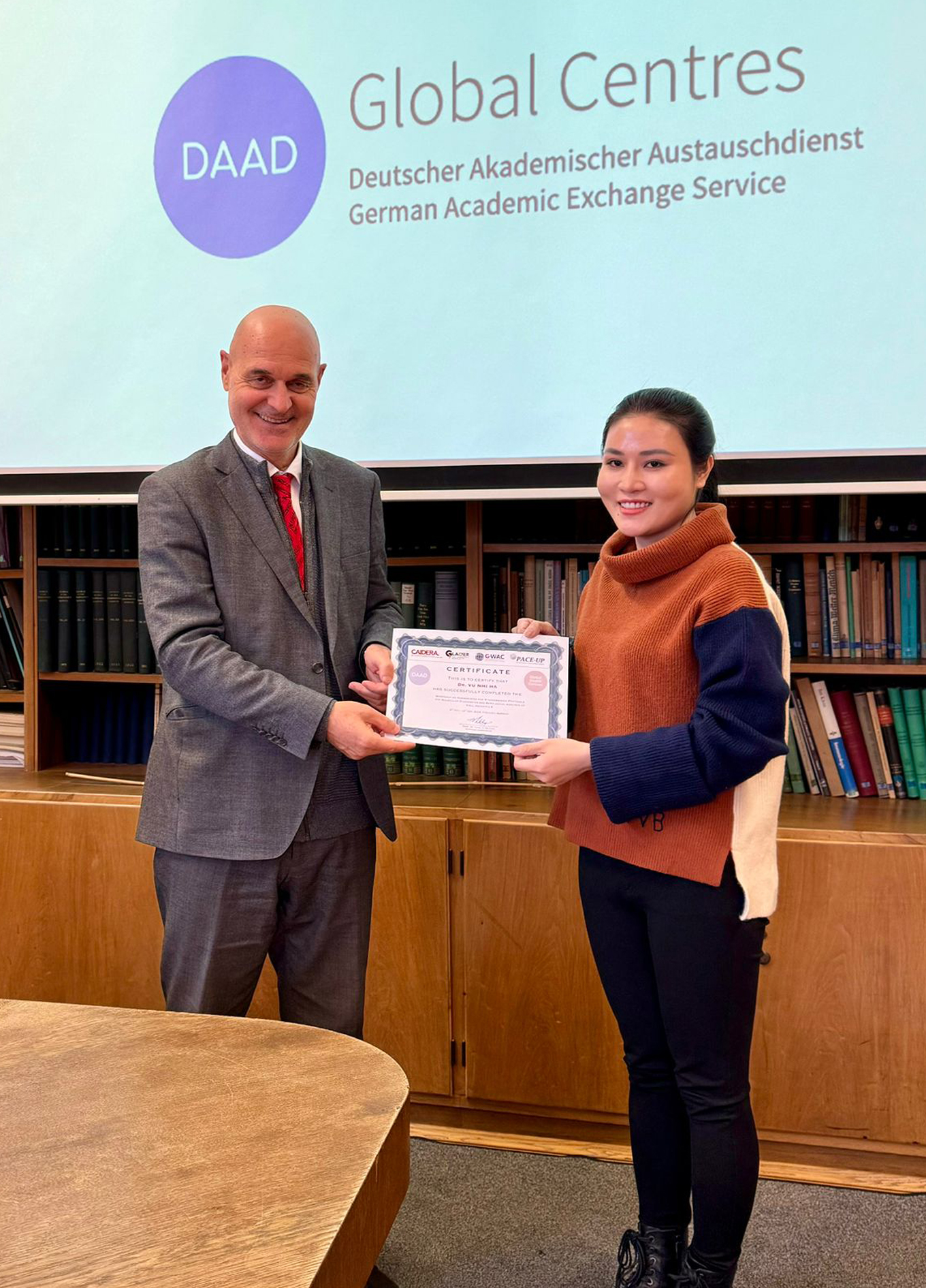
From October to November 2023, a theoretical and practical eight-week workshop on the harmonization and standardization of protocols for molecular diagnostics and serological analysis of Hepatitis E Virus (HEV) was organised by DAAD Global Health Centre PACE-UP with the support of GLACIER. Full scholarships were granted to one participant from each of the four DAAD global health centres (G-WAC, CAIDERA, GLACIER and PACE-UP).

The workshop was carried out at the Institute of Tropical Medicine of the Eberhard Karls University of Tübingen, Germany, under the direction of Dr. Thirumalaisamy P. Velavan.

© PACE-UP | Dr. T. Velavan

The intensive workshop on Hepatitis E Virus genomic and phylogenetic analyses was a ground-breaking training event for the students from all four centres. Emphasizing practical, hands-on experience, the workshop provided a comprehensive understanding of HEV genetics and its evolutionary relationships within the Hepeviridae family. As a field example, students engaged in a critical task: identifying an HEV sequence from an animal sample. This process involved meticulously cleaning the sequence to ensure accuracy and reliability.

© PACE-UP | Dr. T. Velavan

Following this, students downloaded reference sequences from the Hepeviridae family to construct a detailed phylogenetic tree. This tree served as a visual representation of the evolutionary pathways and connections between various HEV strains. This exercise not only reinforced their understanding of HEV genomic structure but also highlighted the virus’s diversity and evolutionary dynamics, and gave the students the tools for the reconstruction of HEV evolutionary history in their own set of samples.

© PACE-UP | Dr. T. Velavan

© PACE-UP | Dr. T. Velavan

Ongoing collaborations between the participants have emerged from this workshop, with potential for carrying out diverse studies in the future. Our GLACIER trainee Juan Diego Oliva in collaboration with Dr. Andrés Moreira-Soto is currently working on preparing a report / update of existing studies for the four participanting countries.

We are very happy to have been part of this enriching collaboration between the DAAD Global Health Centres, and to see the trainees successfully develop and improve their skills and knowledge. We feel thankful for the opportunity to continue developing further academic and professional relations between Germany and Latin America and we look forward to all upcoming activities!

2023 One Health International Symposium

2023 One Health International Symposium

© GLACIER

In 27-30 November 2023 we had our yearly one health international symposium. The event was quite successful, with enlightening presentations from experts in virology, vaccine development, disease history and ecology, immunology, transdisciplinary research on vulnerability to disease outbreaks and epidemics, and many more.

© GLACIER

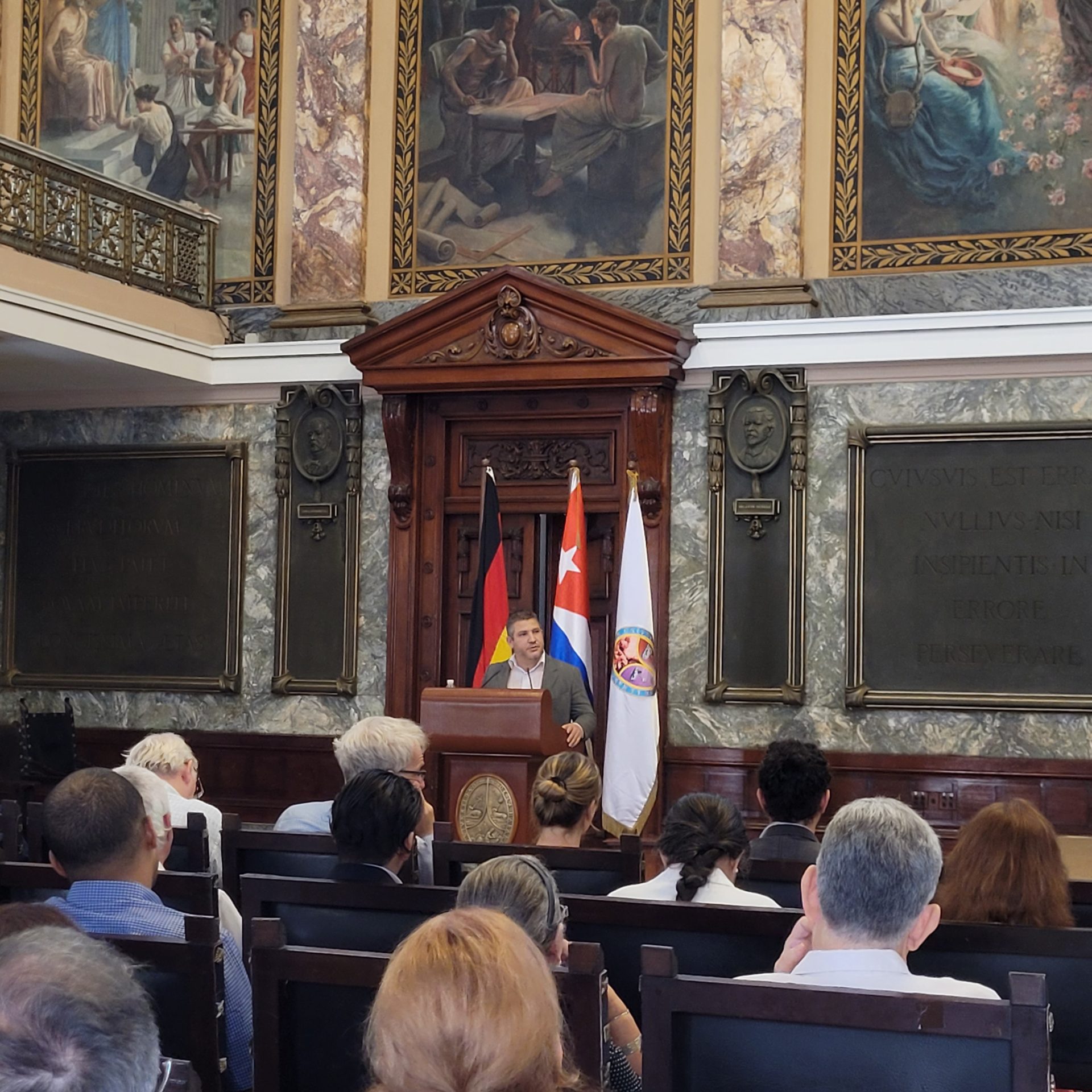
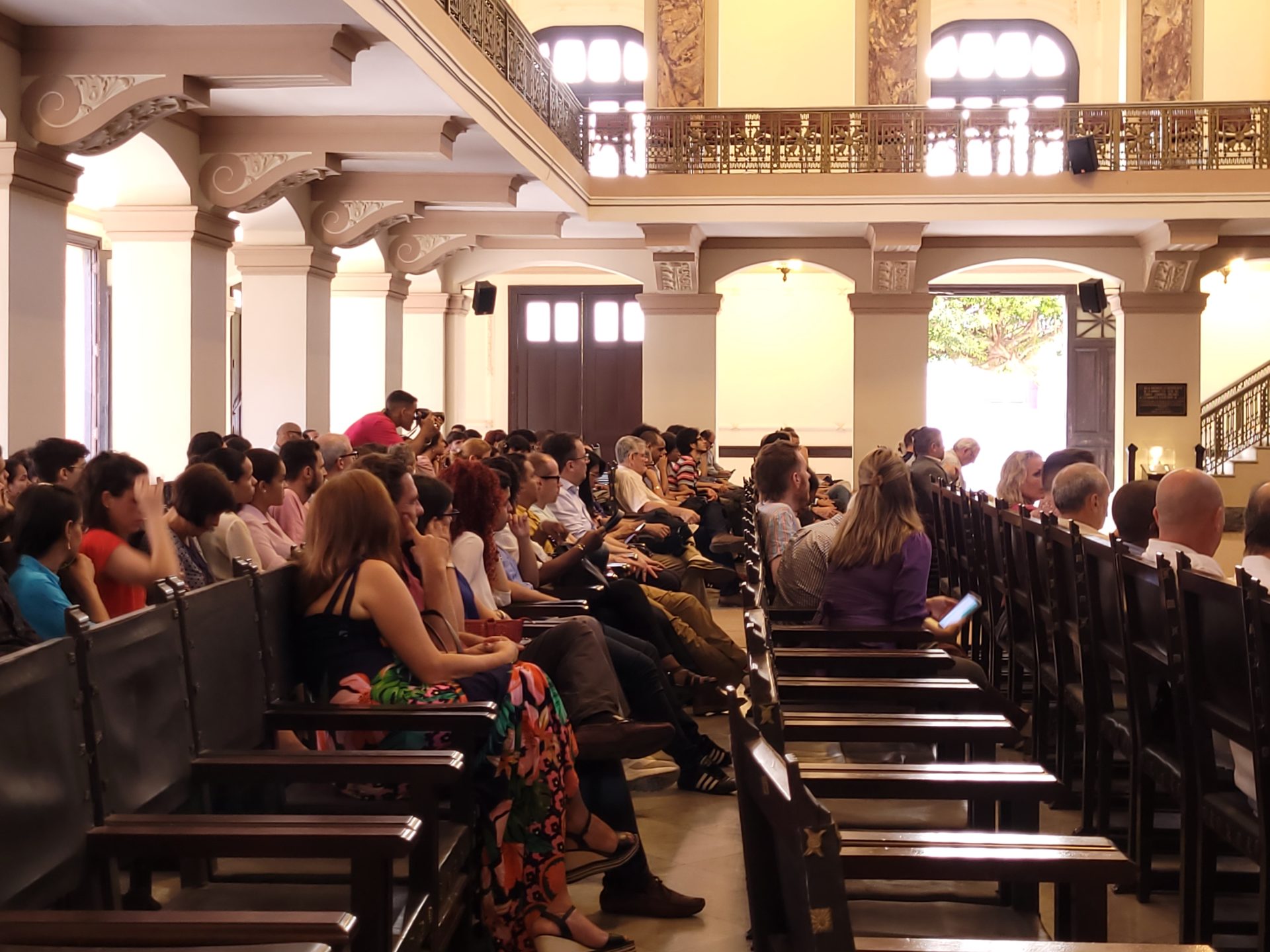
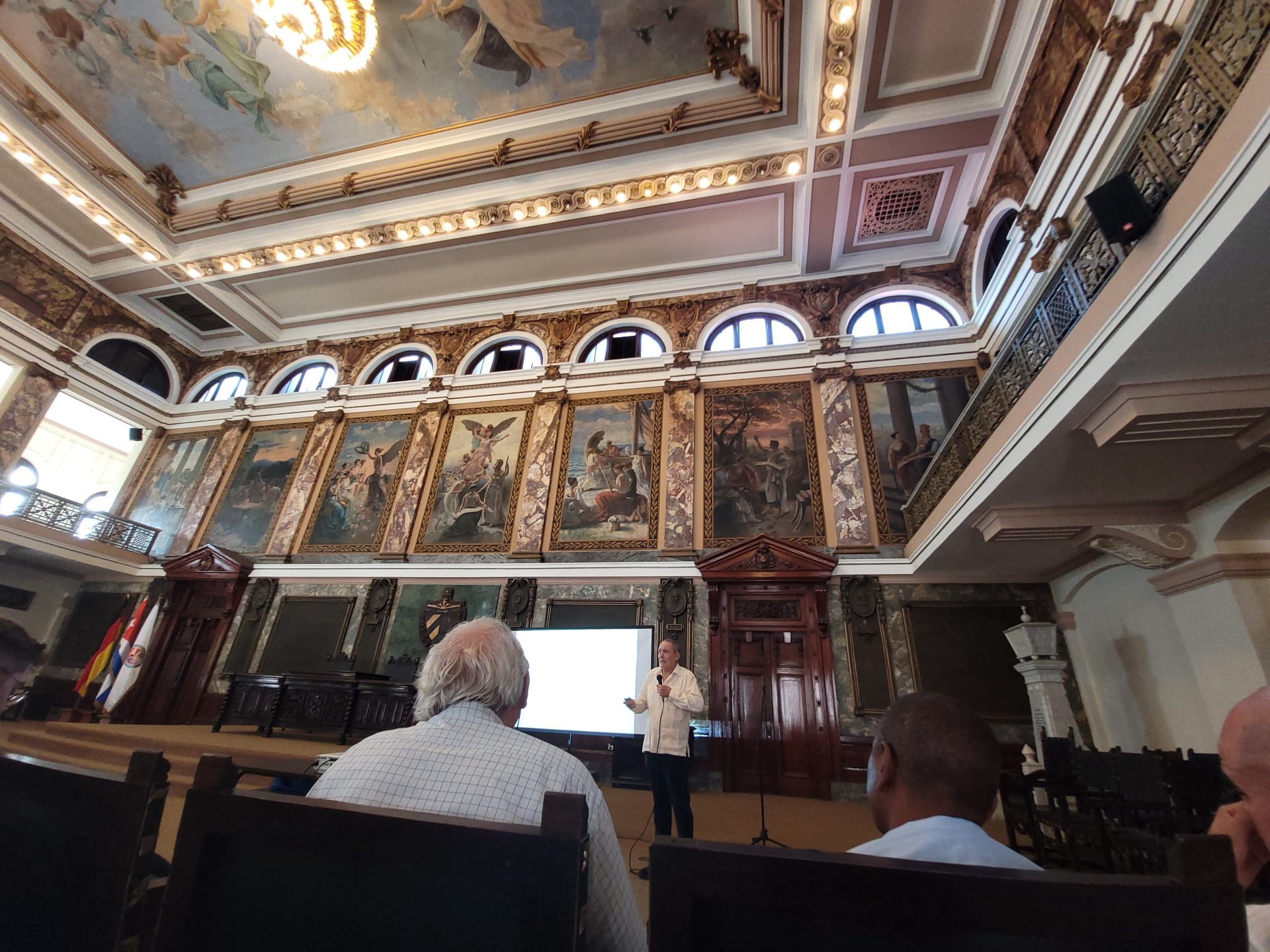
The inauguration took place on 27 November at the beautiful Aula Magna of the University of Havana, with the attendance of the German ambassador, DAAD representatives, the rector of the University of Havana, GLACIER’s Principal Investigators and many renowned scientists and researchers. Afterwards, Cuba’s GLACIER Real Lab was officially inaugurated.

© GLACIER

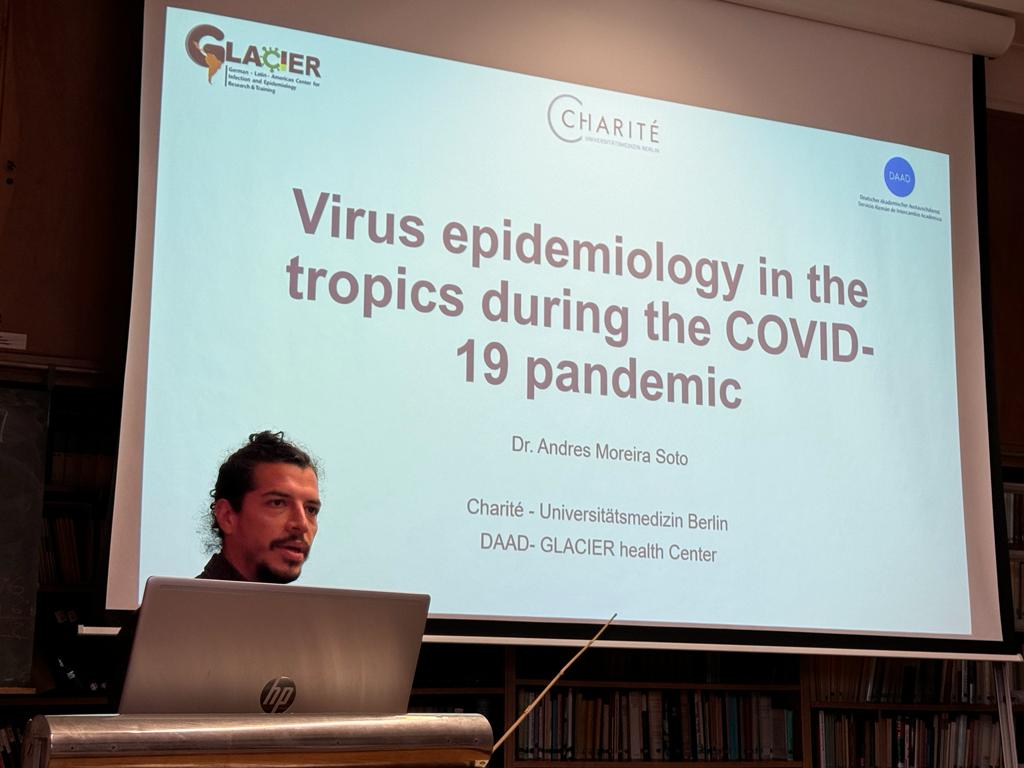
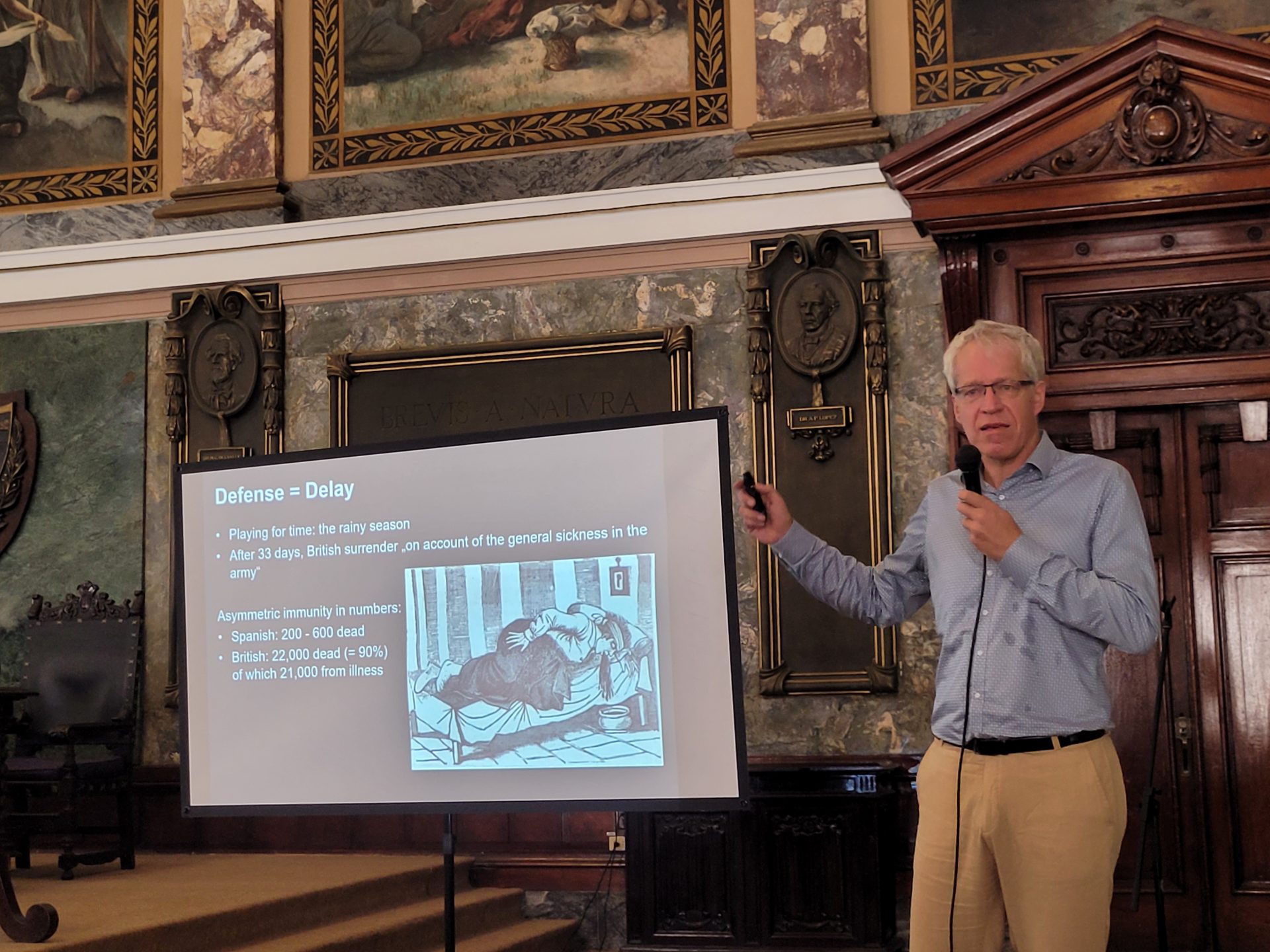
From 27 to 29 November we presented a series of keynote lectures delivered by 17 speakers from 7 different countries, as well as three round tables and several presentations by GLACIER PhD students. We had the privilege of listening to distinguished figures such as Barbara Seliger, Vicente Vérez Bencomo, Ludger Wessjohann, Bert Hoffman, Sonia Resik, Enrique Beldarraín Chaple, Dianelys Quiñones Pérez, Bruno de Geest and Andrés Moreira Soto.

© GLACIER

© GLACIER | Nikté Licona

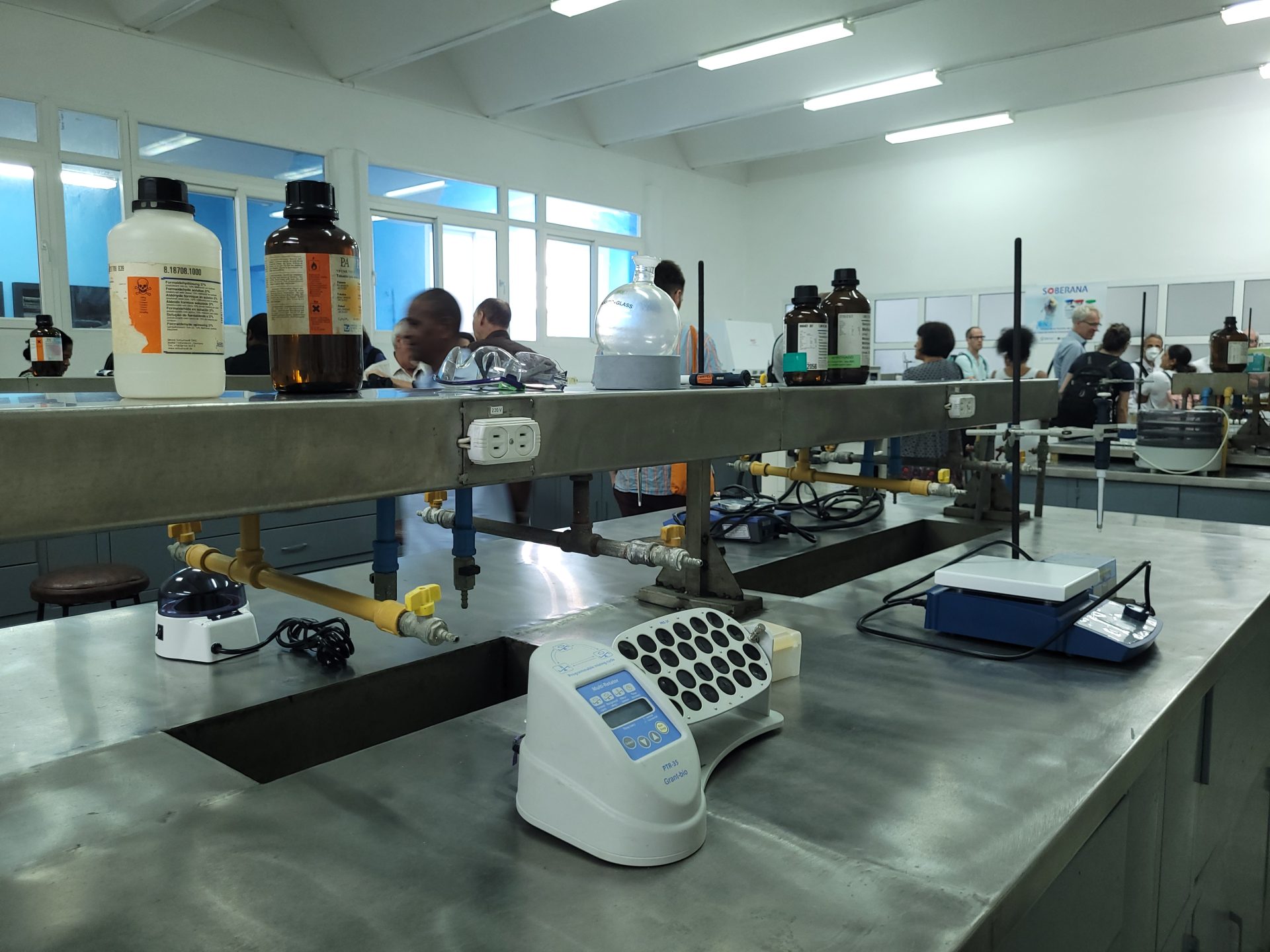
On 30 November, a one-day theoretical and experimental workshop for students was carried out, on the topic of “Chemical and Biological Methods in Antimicrobial Drug Discovery.” The workshop was taught by professors Dr. William L. Scott from Indiana University – Purdue University Indianapolis School of Science, USA; Dr. José Rivera Chávez from the National Autonomous University of Mexico, Mexico; and Dr. Gerardo M. Ojeda Carralero, from University of Havana, Cuba.

© GLACIER

We would like to thank everyone for their participation and their efforts to make this international exchange a reality. We hope to see you again next year in Halle, Germany!

GLACIER lead investigator Dr. Barbara Seliger visits Vietnam

GLACIER lead investigator Dr. Barbara Seliger visits Vietnam

© PACE-UP/Dr. Velavan

To close 2023, in December 11-13 GLACIER was present in Hanoi, Vietnam, to further collaborations and increase the international dissemination of our work.

The 10th anniversary of the Institute for Clinical Infectious Diseases and the 5th anniversary of DAAD Global Health Centre VG-CARE (Vietnamese-German Centre for Medical Research) in Hanoi, Vietnam. The celebratory event was organized by VG-CARE and the 108 Military Central Hospital (108-MCH).

To mark the occasion, a one-day symposium on “Infectious and Tropical Diseases” was organized. Dr. Barbara Seliger—GLACIER Principal Investigator and immunology expert—was invited as a speaker and delivered a presentation of the GLACIER project in Hanoi.

She also had the opportunity to deepen the relatioship with PACE-UP members and potential external partners to initiate further collaborations.

The audience, among which were 6 delegates from Germany, appreciated the project’s contributions and decided to work more closely together with GLACIER. A collaboration with Dr. Velavan, head of the PACE-UP centre, was started last year and the resulting paper (on cytokines) will be the basis for further collaboration with GLACIER. There will also be student exchanges between the centres.

Call for Presentations and Sessions – DAAD Global Centres Conferences 2024

Call for Presentations and Sessions – DAAD Global Centres Conferences 2024

In 10-12 September 2024 the Mid-Term Conferences of the DAAD Global Centres take place in Berlin (Tagungswerk, Lindenstraße 85, 10969 Berlin).

1. Conference of the Centres for Climate and Environment: “Imaginaries of Climate Futures – Cross Regional Insights to get from Knowledge to Action” and

2. Conference of the Centres for Health and Pandemic Prevention: “Global Actions for Sustainable Health for People and Planet”

The German Academic Exchange Service (DAAD) invites academics and research-active practitioners from DAAD-funded Global Centres and their Partner Networks, as well as from other DAAD-funded projects working in the field of Climate and Environment or Health and Pandemic Prevention to take part in the scientific networking conference by taking part in the call for presentations and sessions.

The aim of the conferences is fostering the networks of the Centres and similar initiatives, and to offer a global, interdisciplinary exchange of knowledge in the two subject areas of Global Health/Pandemic Prevention and Climate/Environment.

This provides an opportunity for senior scientists, researchers, and young investigators and PhD students from different projects to present ongoing and/or planned research projects and/or their findings to a wider global audience.

(Text extracted from the original DAAD article).

Read more about the call here.

Memento Research Prize for Jan Felix Drexler

Memento Research Prize for Jan Felix Drexler

Dr. Jan Felix Drexler, Professor at the Institute of Virology of the Charité – Universitätsmedizin Berlin and one of GLACIER’s Principal Investigators, has been awarded this year’s Memento Research Prize for his achievements in the diagnosis of new viral diseases. The award recognizes contributions to the research and development of preventative measures, diagnostics and treatments for neglected diseases in poorer countries.

“With climate change and the decline in biodiversity, new viruses are emerging – for example the Zika virus, which infected many people in 2016, especially in Latin America and the Caribbean. Or the chikungunya virus, which spreads from Africa and Southeast Asia to Central and South America. An infection causes severe fever and sometimes long-lasting joint pain. The main vectors of these viruses, known as emerging viruses, are mosquitoes.

In the affected regions themselves, there are often hardly any opportunities to reliably diagnose an infection, reports Jan Felix Drexler: “The Global South is usually not viewed as a relevant market by companies in the Global North that develop diagnostics.” The result: detection methods for emerging viruses are often not sufficiently tested for use in poorer countries. “Since there are usually no locally developed and produced alternatives, they are still imported for a lot of money – and there are also high tariffs and distribution fees. Accordingly, there is inadequate and delayed diagnosis,” explains Prof. Drexler.

Detect outbreaks early with new tests

The researcher has therefore set himself the goal of developing innovative diagnostic tests for emerging viruses. He and his team have already achieved this for the Zika virus. He is also developing novel detection methods for other viruses that are transmitted by blood-sucking insects in order to support diagnostic laboratories in structurally weak regions. “The rapid and reliable diagnosis of these infections is the basis for optimal patient care as well as successful monitoring and combating of outbreaks,” emphasizes Drexler.

For this commitment, Jan Felix Drexler was awarded the Memento Research Prize on November 16th. The prize is awarded by an alliance of Doctors Without Borders, Bread for the World, the BUKO Pharma Campaign and the DAHW German Leprosy and Tuberculosis Aid and is endowed with 5,000 euros.”

International Workshop in Guatemala within the VI WDA Latin America Conference framework

International Workshop in Guatemala within the VI WDA Latin America Conference framework

© GLACIER

On November 13, 2023, GLACIER presented the “Bases for One Health Research in the Neotropic with Emphasis in Mesoamerica” workshop in Villa Colonial – Antigua, Guatemala, within the framework of the VI Biennial WDA Latin America Conference (Guatemala, 2023).

In Latin America and specifically in Mesoamerica, changes in land use have increased the interaction between humans and their domestic animals and local fauna.

Unfortunately, there is a big information gap on the effects of environmental degradation on disease emergence. One of the proposed global strategies to face this challenge is developing multidisciplinary and multicausal approaches that allow us to understand the patterns and processes that favor the establishment and transmission of infectious agents, especially in regions with less favorable social and economic conditions.

It is necessary to determine the connections between diseases and ecological (diversity), socioeconomic (social marginalization, ownership of domestic animals) and cultural (customs and traditions) factors to understand how changes in these interactions influence the appearance, reappearance and/or restriction of infectious agents in a specific region.

This 7-hour workshop sought to carry out a general evaluation and prioritization of the biological, ecological, socioeconomic, cultural and educational variables for research in the Neotropics and especially in Mesoamerica, using the One Health approach. Participants included students (undergraduate and postgraduate) and researchers from various regions of Latin America with experience in Disease Ecology and One Health projects in Latin America. This guaranteed rich examples from geographical and social environments with conditions relatively similar to those of Mesoamerica.

© GLACIER

The workshop was divided into blocks of priority topics. Each block was composed of a 30-minute talk by an expert, with 45 minutes of group work to carry out a brainstorming session, guided by a list of questions or statements, with the intention of identifying the priority variables to take into account in the neotropics and especially in Mesoamerica.

To inaugurate the workshop, Dr. Andrea Chaves from the University of Costa Rica (Costa Rica) gave a brief presentation on the One Health concept and outlined the workshop dynamics.

© GLACIER

Next, Dr. Bernal Rodríguez from the University of Costa Rica (Costa Rica) gave the talk “Introduction to Mesoamerica,” in which he addressed ecological, social and cultural aspects that make Mesoamerica a region of global relevance.

Next, Dr. Amanda Fine, Director of One Health for WCS, spoke about “Lessons Learned in Other Regions Around the World,” addressing her experience of One Health initiatives in other tropical regions.

After the first coffee break, Dr. Oscar Rico Chávez from the National Autonomous University of Mexico (Mexico) presented the talk “Ecological and Biological Characteristics for Disease Ecology Studies,” in which he addressed the interactions between system components in diverse landscapes, taking into account land use, fragmentation, environmental characteristics, diversity of functional groups and the dilution effect.

Afterwards, Dr. Gerardo Acosta Jamett from the Universidad Austral de Chile (Chile) presented the talk “A System’s Components: Interactions between Hosts, Vectors and Infectious Agents,” in which he discussed the risks of interaction between potential hosts and vectors; jungle cycles vs urban cycles and human-animal interface of buffer zones.

Dr. Carlos Ibarra-Cerdeña, from CINVESTAV, Mérida Unit (Mexico) presented the talk “Methodological Analysis of Risk of Infection by Zoonotic Agents,” where he addressed the analysis of components for risk calculation (vulnerability, exposure and danger analysis).

From 12:00 p.m. to 12:45 p.m. a group-work session was carried out. During this session, participants established fundamental aspects for the development of One Health initiatives in Latin America, with emphasis on the concepts developed by the panelists and on the ecological characteristics of their own countries.

© GLACIER

© GLACIER | Nikté Licona

After lunch, Valeria Morales from the University of Costa Rica (Costa Rica) gave a talk on the “Degree of Social Margination,” in which she addressed the problems of sanitation, access to health systems, knowledge and education programs, as well as prevention, control and monitoring of diseases transmitted directly or indirectly.

Dr. Claudio Azat from the Andrés Bello University of Chile (Chile) gave a talk on “Education and Specialization in One Health,” in which he addressed strategies and key aspects for the learning process in formal and informal training in One Health.

From 3:30 p.m. to 4:15 p.m. a second group-work session was carried out, following the same dynamics as the first one. Then the participants headed for their last coffee break.

© GLACIER

Finally, to close the workshop, the results of the group work were presented, followed by an exchange of ideas for future work and collaborations.

Dr. Jan Felix Drexler, Charité, Berlin (Germany) and Dr. Andrea Chaves from the University of Costa Rica (Costa Rica) presented the final conclusions and closed the workshop.