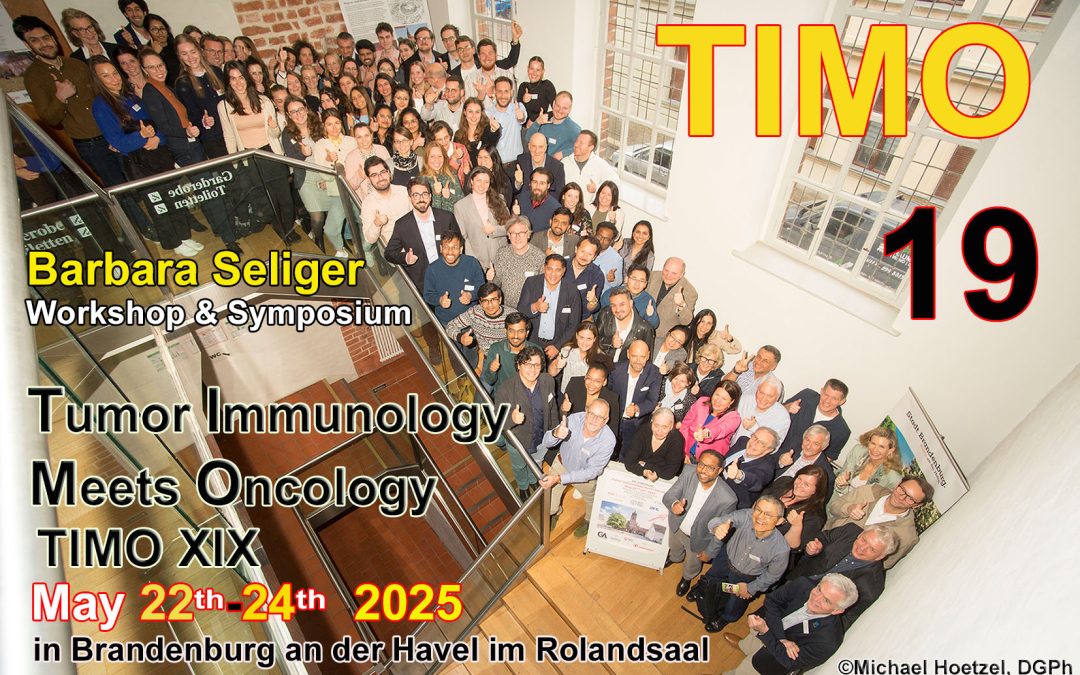
Tumor Immunology meets Oncology XIX (TIMO XIX) Workshop & Symposium 2025
Two GLACIER grantees from Halle, Dr. Ilianet Palmero Álvarez and MSc Arturo Liñan Torres, attended the TIMO 2025 Symposium in Brandenburg, Germany.
Funded by the German Federal Foreign Office
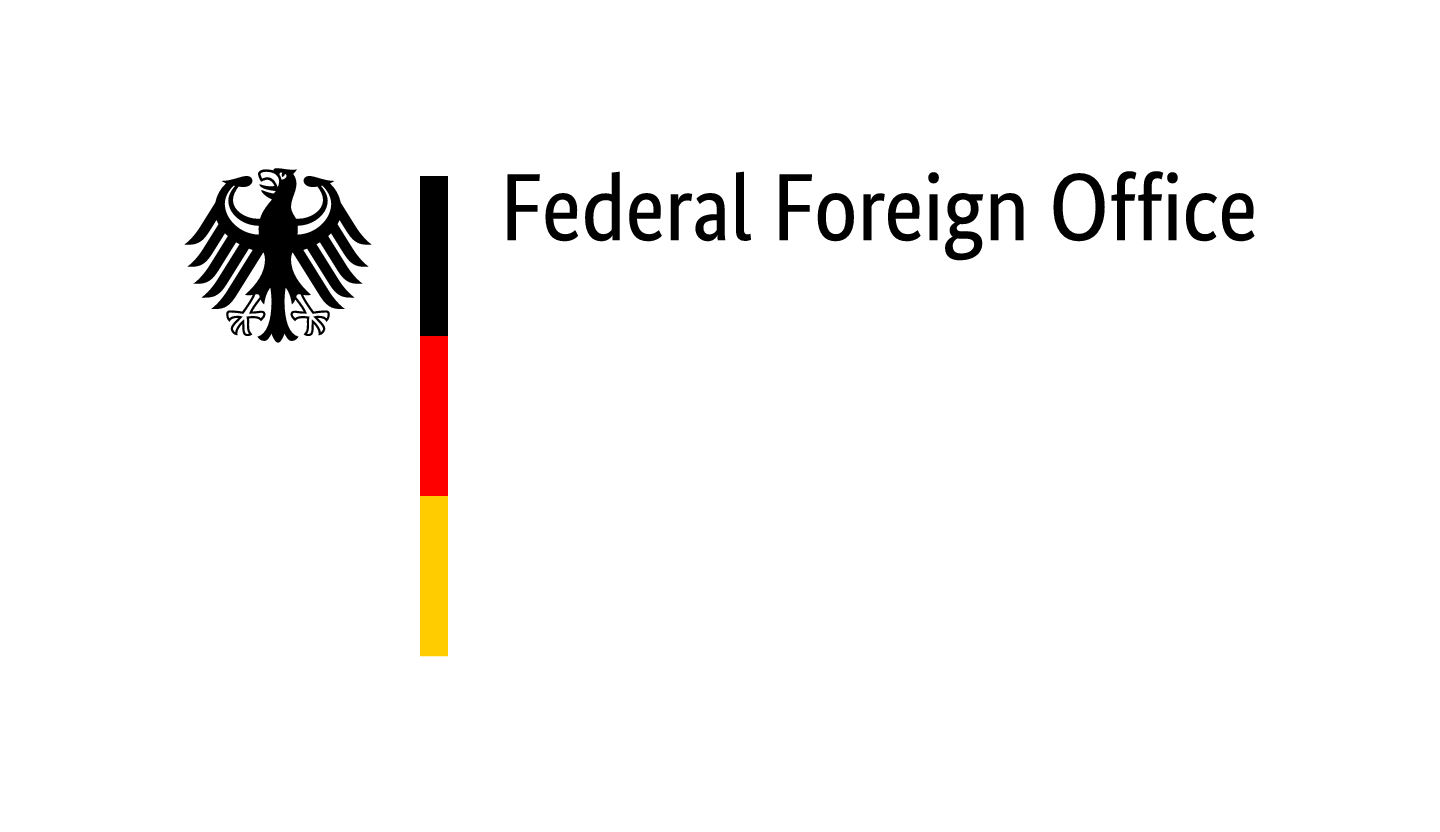






Two GLACIER grantees from Halle, Dr. Ilianet Palmero Álvarez and MSc Arturo Liñan Torres, attended the TIMO 2025 Symposium in Brandenburg, Germany.
The development of vaccines has been one of the greatest advances in the history of medicine, transforming the prevention of infectious diseases over the past two centuries. Vaccines stimulate the immune system to provide protection in the absence of disease, which has reduced morbidity and mortality from diseases caused by microbial pathogens.
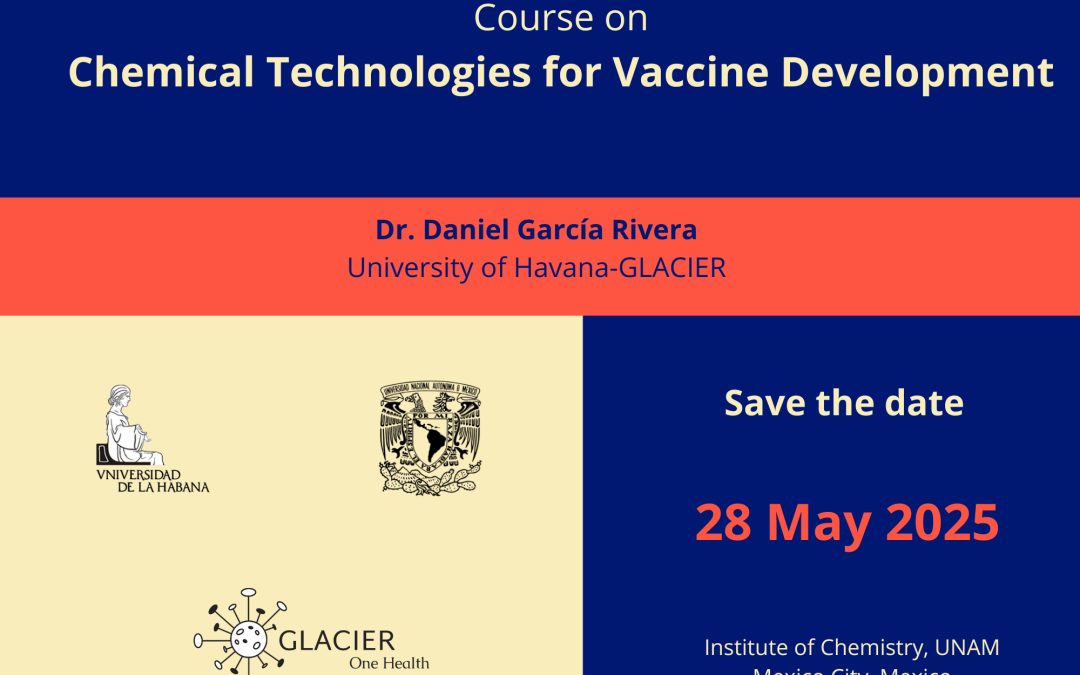
With the aim of introducing the different chemical technologies that have been used in the development of preventive antiviral and antibacterial vaccines, Dr. Daniel García Rivera (University of Havana-GLACIER) will present the course “Chemical Technologies for Vaccine Development” at the Institute of Chemistry, UNAM (Mexico City, Mexico) on 28 May 2025.
The course will be divided into three sections:
The course will address issues related to the development of site-selective protein modification methods and the conjugation of carrier proteins to antigenic peptides, proteins and oligosaccharides of viral or bacterial origin. Progress in lipid nanoparticle technology for the delivery of nucleic acids, essential for the development of messenger RNA vaccines, will also be described.
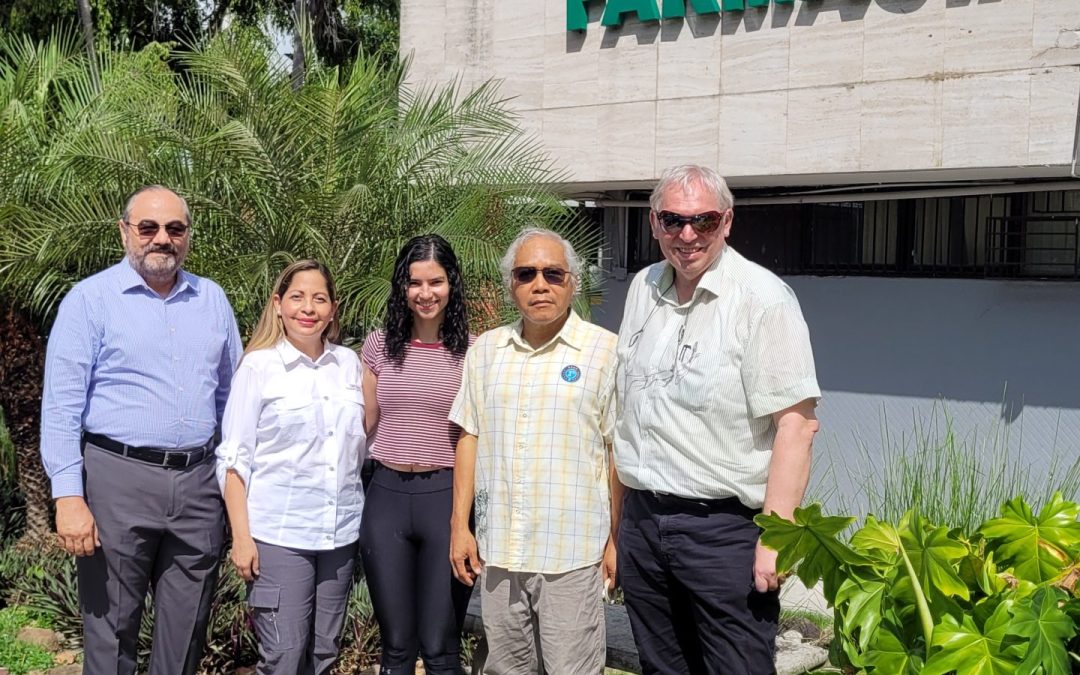
On 7 February 2025, Prof. Dr. Ludger Wessjohann visited the University of Panama. During his visit, Prof. Dr. Wessjohann gave three lectures at the Vice Rectorate and the Faculty of Pharmacy on GLACIER, Drug Development and Bioactives Database and Cloud.

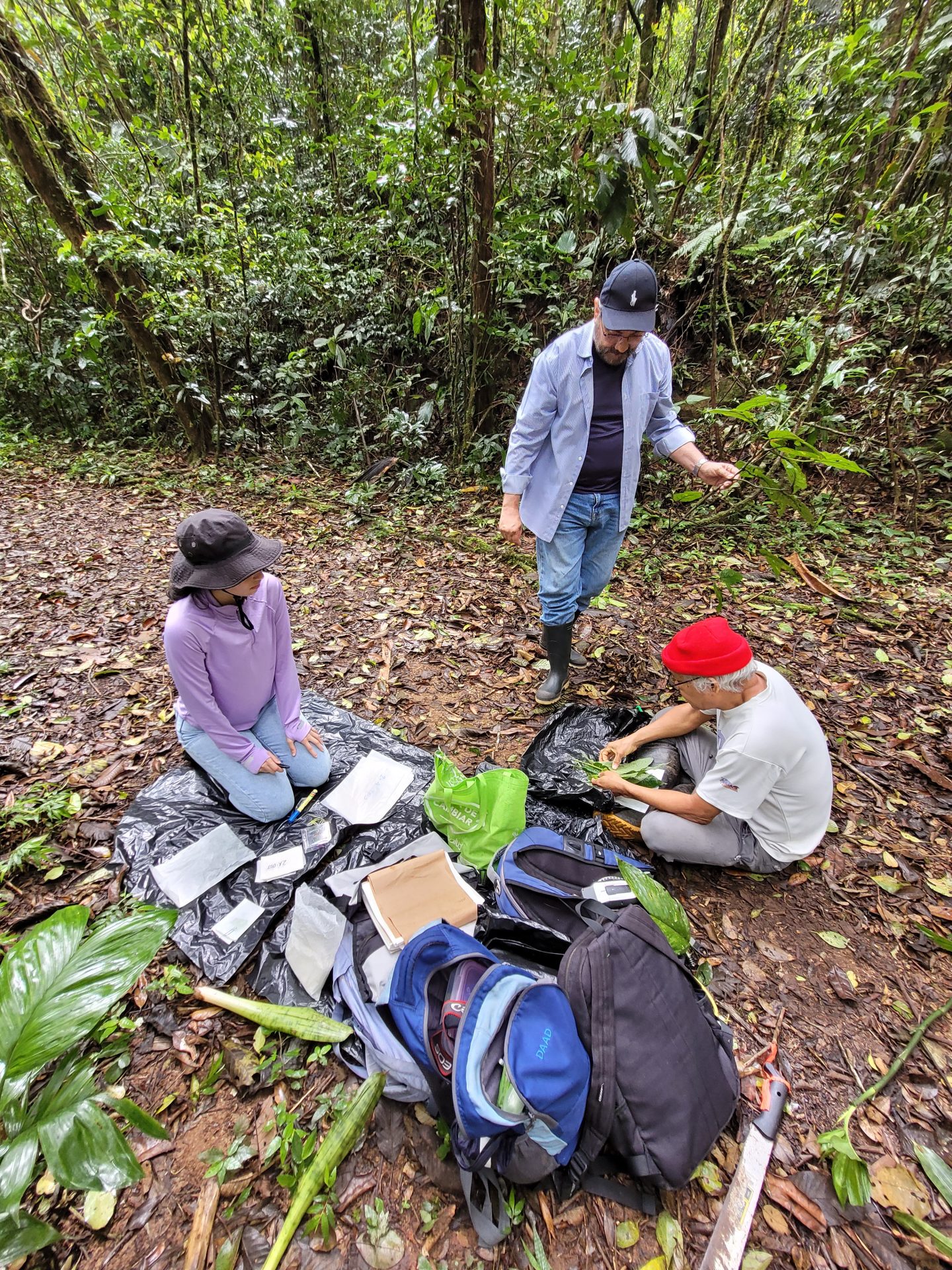
As part of the activities, a collection of medicinal plants for research was conducted. The team consisted of botanists, pharmacists and medicinal chemists from Panama and Germany.

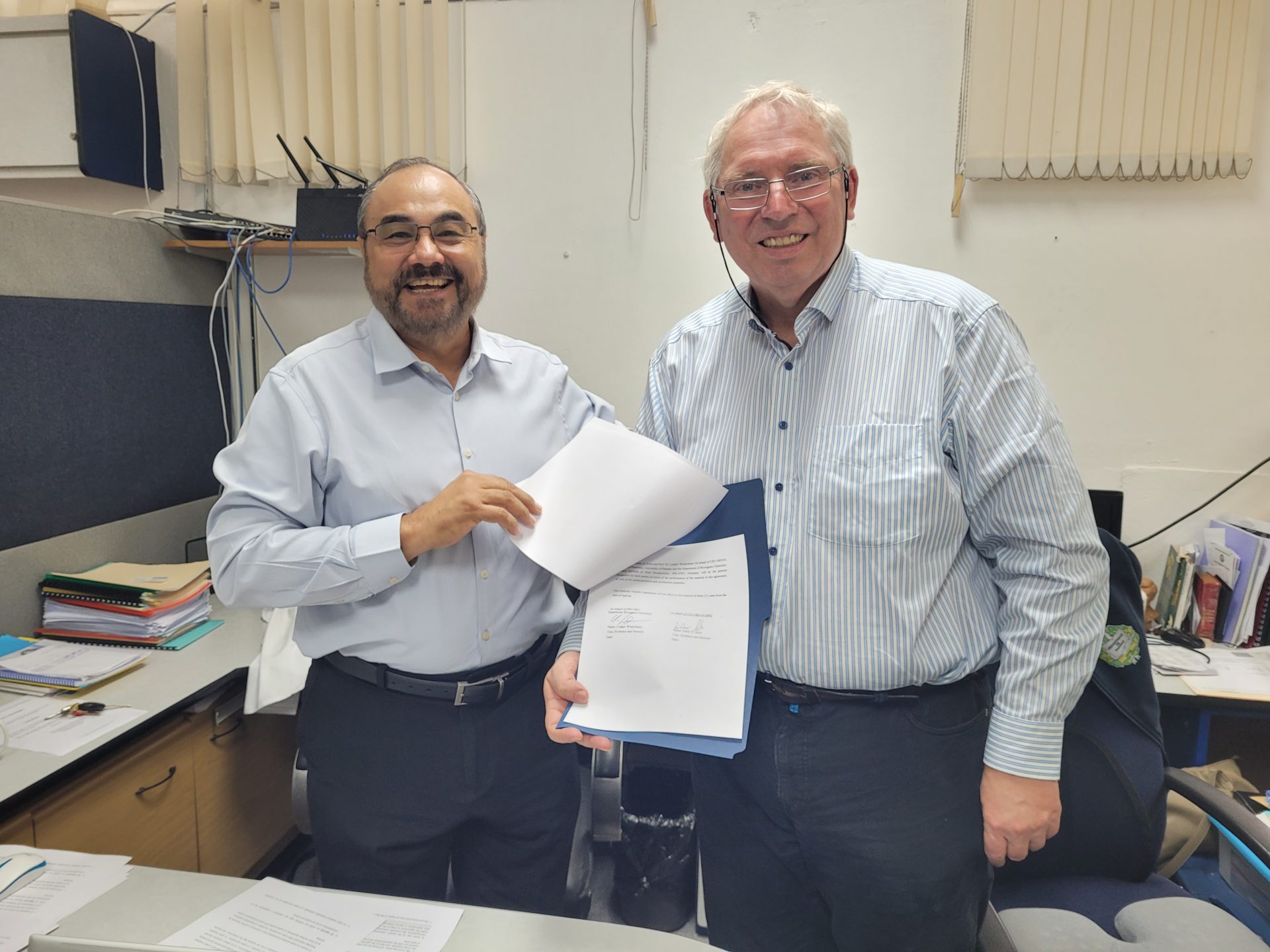
A cooperation agreement was also signed between the University of Panama and The Leibniz Institute of Plant Biochemistry (Prof. Dr. Pablo Solis and Prof. Dr. Ludger Wessjohann).
PAN ASEAN Coalition for Epidemic and Outbreak Preparedness is pleased to announce its upcoming hybrid workshop on Emerging and Re-emerging Infectious Diseases and Biosafety Training, taking place May 19-23, 2025, at VG-CARE, Hanoi, Vietnam.
Members of the Global Health Centers are invited to participate online.

This workshop will feature two modules:
Module 1 covers the epidemiology of emerging and re-emerging viruses, outbreak detection, infection control, antimicrobial resistance, and zoonotic diseases.
Module 2 provides hands-on training in biosafety principles (BSL-I, II, III), safe pathogen handling, infection control practices, and the use of a BSL-2 mobile laboratory with a BSC-III cabinet for outbreak response.
For more details about the modules and the experts involved, please click the button below.

© Hugo Mendoza
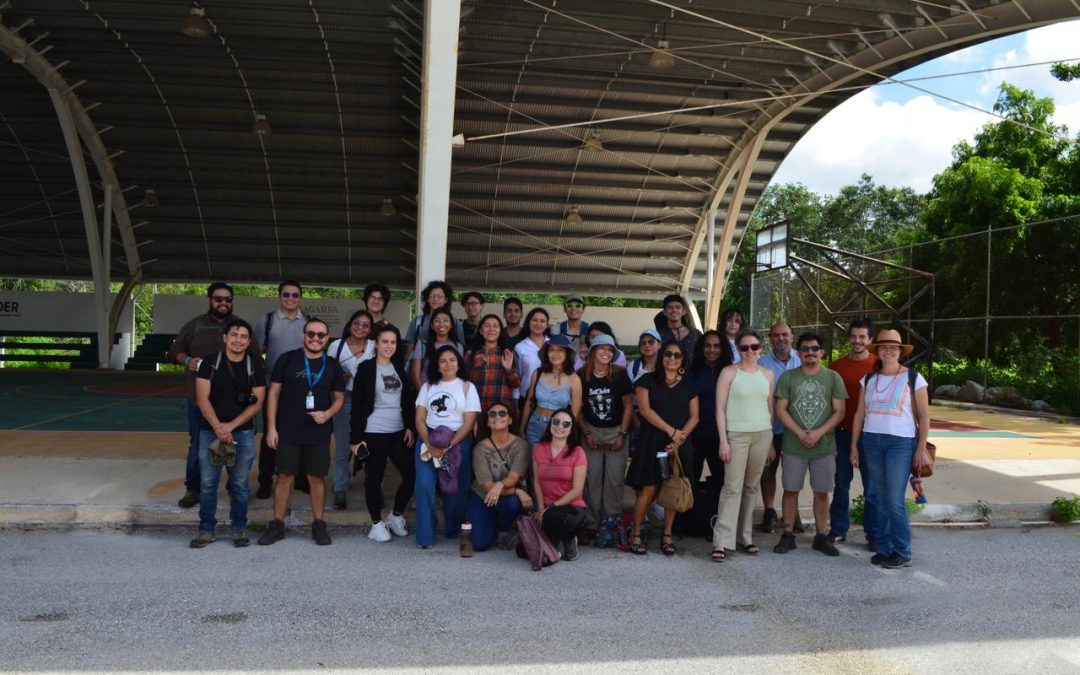
The GLACIER workshop on Sample Management and Storage took place from November 4 to 6, focusing on equipping participants with the skills necessary to handle, label, store, and transport biological samples in compliance with international and German institutional standards. This workshop aimed to standardize techniques used in GLACIER-associated projects and foster a deeper understanding of ethical considerations and safety protocols in sample collection. The event included lectures, hands-on practice, and a final exercise to create Standard Operating Procedures (SOPs) for sample management. Scholarships were provided to cover essential expenses for selected participants.
Venue: ENES Mérida – Amphitheater of the Institute of Ecology
The first day commenced with Dr. Ana Escalante introducing the objectives of the GLACIER project. She highlighted the collaboration between international institutions and researchers working on wildlife studies to understand zoonotic disease transmission processes under the “One Health” framework. Participants and instructors presented their backgrounds and research interests, setting the stage for the workshop’s objectives.
Roundtable Discussions
Lectures and Discussions
Practical Assignments
Participants were grouped based on their biological group preferences to begin drafting SOPs for sample collection and management.
Venues: Eldorado Lab, Parque Científico y Tecnológico de Yucatán; Hacienda Yaxché de Peón
The second day provided participants with hands-on experience in mosquito sampling and bat specimen handling, alongside exposure to advanced laboratory techniques at Eldorado Lab.
Laboratory Tour
Fieldwork at Hacienda Yaxché de Peón
The activity highlighted the integration of ethical considerations and technical precision in field practices, ensuring data quality while prioritizing animal welfare and researcher safety.
Venues: CICY Botanical Garden and Herbarium “Roger Orellana”; ENES Mérida Laboratory
The final day concluded with a focus on plant studies and laboratory techniques for analyzing antimicrobial properties. Participants refined and presented their SOPs.
Botanical Studies
Laboratory Practice
SOP Presentation and Closing Remarks
Participants gained:
Instructors: Dr. Ludger Wessjohann, Dr. Ana Escalante, Dr. Andrés Moreira, Dr. Gerardo Suzán, Dr. Carlos Ibarra, Dr. Luisa Falcón, Dr. Osiris Gaona, and Dr. Hugo Mendoza.
Acknowledgment: We thank all participants, instructors, and supporting staff for making this workshop a success, contributing to the development of standardized practices in wildlife and zoonotic disease research.
Sample management and storage is one of the most important steps in every project that entails information gathering for student and research projects. Sample management is completely different depending on the research question and on the resources available. Therefore, standardization of the techniques used is and will be of utmost importance for students working within GLACIER-associated projects.
Participants will be qualified for handling samples during and after collection. They will know how to label samples, how to store them and how to take them to the laboratory. It is our goal to ensure all participants gain the necessary skills to meet international sampling requirements and are able to work in accordance with German institutions’ standards and protocols.
One of the workshop’s objectives is to produce standardized procedures for sample management and storage for animal, plant and bioethical-importance resources.
Click below to see the full description: