GLACIER Workshop Success! One Health Sample Management and Storage

GLACIER Workshop Success! One Health Sample Management and Storage

© Hugo Mendoza

Overview

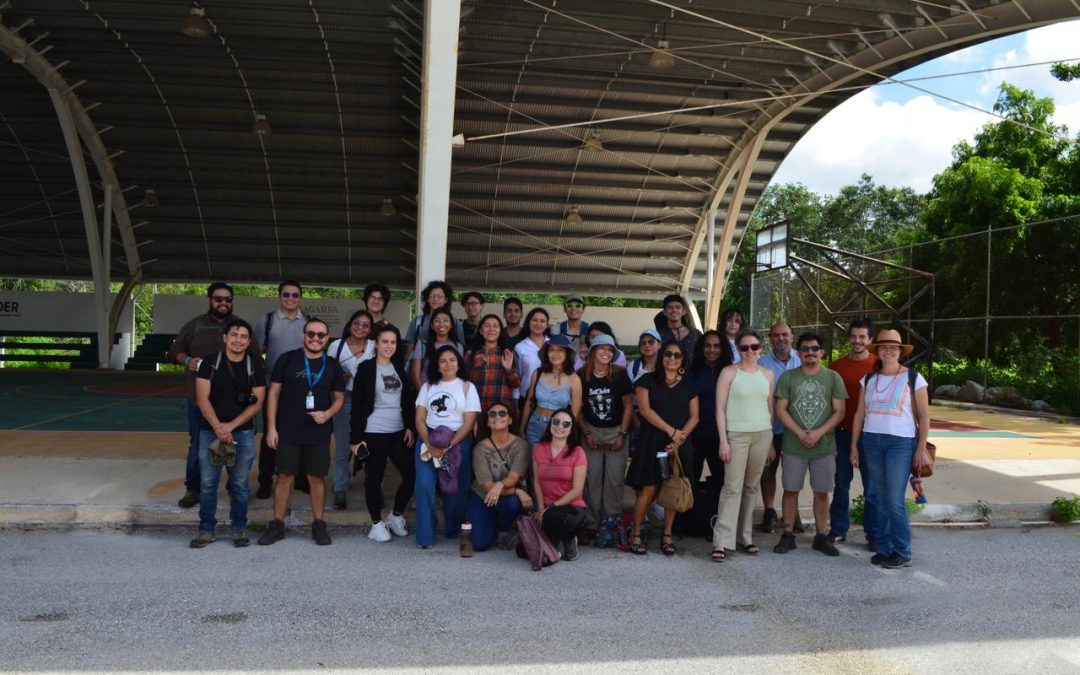
The GLACIER workshop on Sample Management and Storage took place from November 4 to 6, focusing on equipping participants with the skills necessary to handle, label, store, and transport biological samples in compliance with international and German institutional standards. This workshop aimed to standardize techniques used in GLACIER-associated projects and foster a deeper understanding of ethical considerations and safety protocols in sample collection. The event included lectures, hands-on practice, and a final exercise to create Standard Operating Procedures (SOPs) for sample management. Scholarships were provided to cover essential expenses for selected participants.

Day 1: Introduction to Sample Collection and Management

Venue: ENES Mérida – Amphitheater of the Institute of Ecology

The first day commenced with Dr. Ana Escalante introducing the objectives of the GLACIER project. She highlighted the collaboration between international institutions and researchers working on wildlife studies to understand zoonotic disease transmission processes under the “One Health” framework. Participants and instructors presented their backgrounds and research interests, setting the stage for the workshop’s objectives.

Key Activities:

Roundtable Discussions

    • Dr. Carlos Ibarra emphasized Latin America’s significance in zoonotic disease research, particularly regarding bats and rodents, and outlined the documentation required for wildlife studies in Mexico, such as collection permits from the Dirección General de Vida Silvestre.
    • Dr. Luisa Falcón introduced metabolomics and metagenomics techniques, which are crucial for analyzing pathogen presence in GLACIER samples.
    • Dr. Andrés Moreira elaborated on the Institute of Virology’s work on emerging diseases and stressed the need for robust safety protocols during sample collection, including compliance with BIO III safety standards.

Lectures and Discussions

    • Dr. Hugo Mendoza demonstrated sampling protocols for mammals and shared techniques for reducing contamination risks in the field.
    • Ethics in sample collection were discussed, emphasizing responsible practices to ensure data quality and compliance with legal and ethical standards.

Practical Assignments

Participants were grouped based on their biological group preferences to begin drafting SOPs for sample collection and management.


Day 2: Field Techniques and Laboratory Insights

Venues: Eldorado Lab, Parque Científico y Tecnológico de Yucatán; Hacienda Yaxché de Peón

The second day provided participants with hands-on experience in mosquito sampling and bat specimen handling, alongside exposure to advanced laboratory techniques at Eldorado Lab.

Key Activities:

Laboratory Tour

    • Dr. Gerardo Suzán led a guided tour of Eldorado Lab, showcasing ongoing research on vector-borne diseases and zoonotic pathogens.
    • Researchers demonstrated mosquito trapping techniques and explained VG trap functionality during a brief field session.

Fieldwork at Hacienda Yaxché de Peón

    • Participants set up mist nets to capture bats and performed sampling under the guidance of Drs. Luisa Falcón and Osiris Gaona.
    • Techniques included collecting saliva swabs, fecal samples, and blood for virome and microbiome studies.
    • Preservation methods for field conditions and health precautions were emphasized.

Reflections:

The activity highlighted the integration of ethical considerations and technical precision in field practices, ensuring data quality while prioritizing animal welfare and researcher safety.


Day 3: Botany, Antimicrobial Compounds, and Final SOP Presentation

Venues: CICY Botanical Garden and Herbarium “Roger Orellana”; ENES Mérida Laboratory

The final day concluded with a focus on plant studies and laboratory techniques for analyzing antimicrobial properties. Participants refined and presented their SOPs.

Key Activities:

Botanical Studies

    • Dr. Ludger Wessjohann guided participants through the Roger Orellana Botanical Garden, explaining plant adaptations and the potential of active compounds in antimicrobial treatments.
    • His lecture linked botanical research to GLACIER’s goals of addressing zoonotic and emerging diseases.

Laboratory Practice

    • Participants performed chromatography on plant samples, isolating and analyzing compounds for antimicrobial activity.
    • The practical session demonstrated the role of plants in disease research and drug development.

SOP Presentation and Closing Remarks

    • Teams presented their SOPs, receiving feedback from instructors to ensure alignment with GLACIER’s standards.
    • Key takeaways emphasized collaboration, protocol adherence, and the importance of standardization in international research projects.

Workshop Outcomes

Participants gained:

  • Proficiency in sample handling, labeling, and storage.
  • Insights into ethical considerations and international compliance standards.
  • Practical experience in field and laboratory techniques for zoonotic and vector-borne disease research.
  • Skills to create SOPs tailored to their research areas.

Instructors: Dr. Ludger Wessjohann, Dr. Ana Escalante, Dr. Andrés Moreira, Dr. Gerardo Suzán, Dr. Carlos Ibarra, Dr. Luisa Falcón, Dr. Osiris Gaona, and Dr. Hugo Mendoza.

Acknowledgment: We thank all participants, instructors, and supporting staff for making this workshop a success, contributing to the development of standardized practices in wildlife and zoonotic disease research.
Deadline Extended for Scholarship Applications!

Deadline Extended for Scholarship Applications!

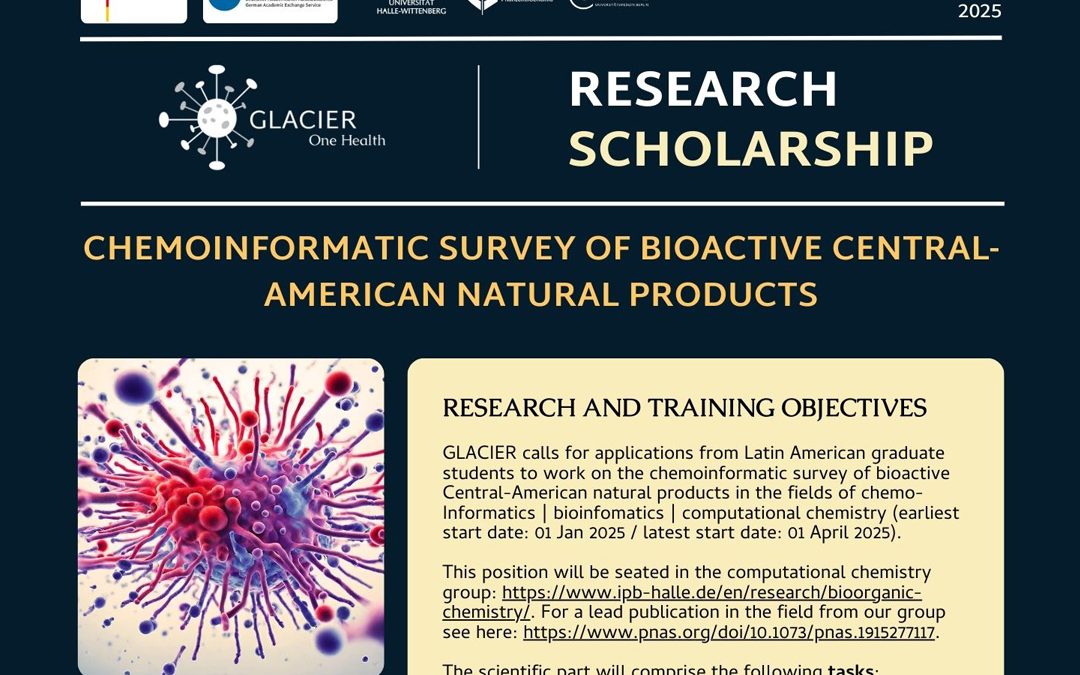
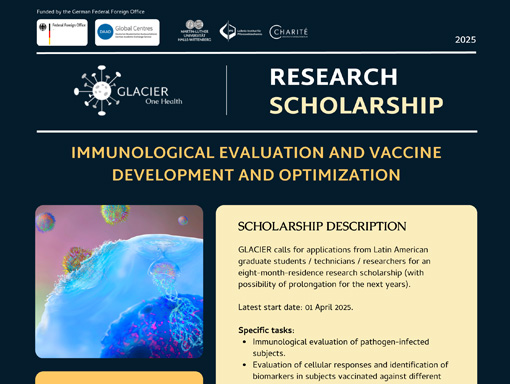
Exciting news for aspiring students and researchers! The deadline for our immunology and chemoinformatics/bioinformatics PhD scholarships has been extended.

With a new deadline set for December 31, 2024, there’s now further time to refine your applications and showcase your passion for your chosen field. Whether you’re eager to contribute to groundbreaking research or to develop new solutions in health and science, this is your moment to shine.

These scholarships are designed to empower bright minds and foster academic excellence, offering not just financial support but also a gateway to a vibrant scholarly community.

Envision yourself collaborating with leading experts, engaging in transformative projects, and making a tangible impact on society. Don’t let this chance slip away; take advantage of the extended deadline to craft an application that reflects your vision and determination.

Dive into the details to ensure you meet all requirements and present your best self. This is your opportunity to turn your dreams into reality, so start today and take the first step towards a great academic adventure.

For full call details and requirements click below:
Call for sessions: 14th European Congress of Tropical Medicine and International Health (ECTMIH)

Call for sessions: 14th European Congress of Tropical Medicine and International Health (ECTMIH)

The Bernhard Nocht Institute for Tropical Medicine is thrilled to host the 14th European Congress of Tropical Medicine and International Health (ECTMIH) in 2025, in collaboration with the Leibniz Association. Under the theme “Better Health for All in a Changing World,” this congress promises to be a dynamic gathering of experts, researchers, and practitioners in tropical medicine and global health.

We invite experts from academia, NGOs, government, young scientists, and industry to join us in creating an impactful program by submitting a proposal for an organized session.

This is your opportunity to drive the conversation, share groundbreaking research, and inspire change on a global scale.

Organized Session Submission Guidelines:

    • Proposals should be in English.
    • Sessions should align with the congress theme and topic areas. Explore topic areas here.
    • Sessions should be 90 minutes or less, including presentations and discussions.
    • All participants, including organizers and speakers, are responsible for their registration fees and session costs.

Session Proposal Tracks Include:

    • Immunology & Interaction
    • Emerging Infections
    • Tropical Diseases & Care
    • One Health Solutions
    • Health in Travel & Migration
    • Vulnerable Populations
    • Non-Infectious Diseases

Cross-Cutting Topics:

Sessions highlighting climate change, equality, behavioral research, or digital innovations are especially encouraged.

Key Submission Details:

🗓 Submission Deadline: December 15, 2024
📩 How to Submit: Send your completed proposal form to ectmih@bnitm.de with the title “ECTMIH 2025: Submission for Organised Session by (Your Organisation’s Name) and (Title of Symposia).”

Evaluation Guidelines:

    • Proposals will be evaluated based on content quality and the credentials of proposed speakers. Submissions lacking speaker names and topics will not be considered.
    • Accepted symposium results will be announced latest by January 31, 2025.
    • All accepted symposium speakers and chairpersons must register for the congress before June 30, 2025.
    • Final Selection: The Scientific Committee’s selection of accepted organised sessions is final.
    • Please contact Congress Office for more information: ectmih@bnitm.de

Help us address today’s global health challenges—We look forward to seeing your ideas come to life at ECTMIH 2025!

Grant Writing Workshop and Call for Cross-Centre PhD Activities!

Grant Writing Workshop and Call for Cross-Centre PhD Activities!

We’re excited to announce two unique opportunities for PhD students at the DAAD Global Health Centres: a Grant Writing Workshop and a Call for PhD Cross-Centre Activities!

Grant Writing Workshop

This exclusive workshop is designed to help PhD students hone their grant writing skills, with insights from experts who understand the needs and goals of research funding. Due to the popularity of the course, it will now be offered twice, giving more students the chance to participate.

Booking binds you to participate. If you won’t be able to participate due to good reasons, please inform us (health-centres@daad.de) as early as possible, so we can inform people from the waitinglist to step in.

Details are as follows:

  • Date: 21st & 22nd November
  • Time: 1:30 pm to 5:30 pm CET
  • Format: Online via MS Teams

Click here to register:

Call for Cross-Centre PhD Activities

This call invites all DAAD-funded PhD students at the Global Health Centres to propose collaborative activities with other centres, promoting interdisciplinary research and knowledge exchange. Proposals (1-2 pages) are due by January 15th, 11:59 pm CET and can be sent to health-centres@daad.de.

For questions, join us on Thursday, 21st November, 1 pm – 1:30 pm CET for a consultation via MS Teams. Don’t miss out on these great opportunities to expand your skills and network across the DAAD Global Centres!