In a Stranglehold

In a Stranglehold

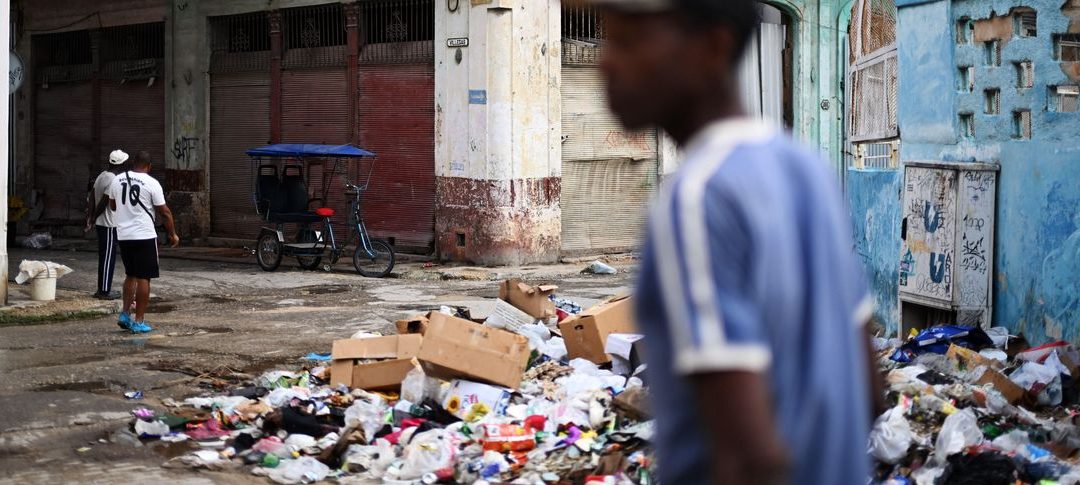
In a recent commentary, Bert Hoffmann argues that Cuba is entering a critical phase as U.S. policy increasingly restricts fuel supplies, with cascading effects on transport, food distribution, and essential services. He describes the situation as a high-stakes pressure strategy that could quickly turn a severe economic crisis into a humanitarian emergency.

The piece outlines four broad pathways that could shape what happens next: a rapid deterioration if imports remain blocked; limited and uncertain relief if sporadic shipments reach the island despite deterrence; social unrest that may still be constrained by perceptions that outcomes are decided through Washington-Havana bargaining rather than domestic mobilization; or negotiations that could bring partial de-escalation through reciprocal steps by both sides. Hoffmann concludes that Cuba’s leverage is weak but not zero, as any U.S. preference for stability would likely depend on existing state institutions, while the longer-term outlook remains uncertain and could involve new political and economic arrangements under intense external pressure.

GLACIER featured in Concordia’s Queen Elizabeth Scholars call

GLACIER featured in Concordia’s Queen Elizabeth Scholars call

GLACIER is featured as the Mexico case study in Concordia University’s Queen Elizabeth Scholars Call for Applications, in collaboration with UNAM. The call positions GLACIER as the main framework for Mexico based projects under a One Health approach, including opportunities linked to pathogen surveillance, data analysis, and regional collaboration.

We invite students based in Mexico who are interested in international research exchange to consult the call for eligibility and application details. Travel is planned for 2026 and 2027, for stays of up to 120 days between May and September.

Ludger Wessjohann is an honorary doctor of the University of Havana

Ludger Wessjohann is an honorary doctor of the University of Havana

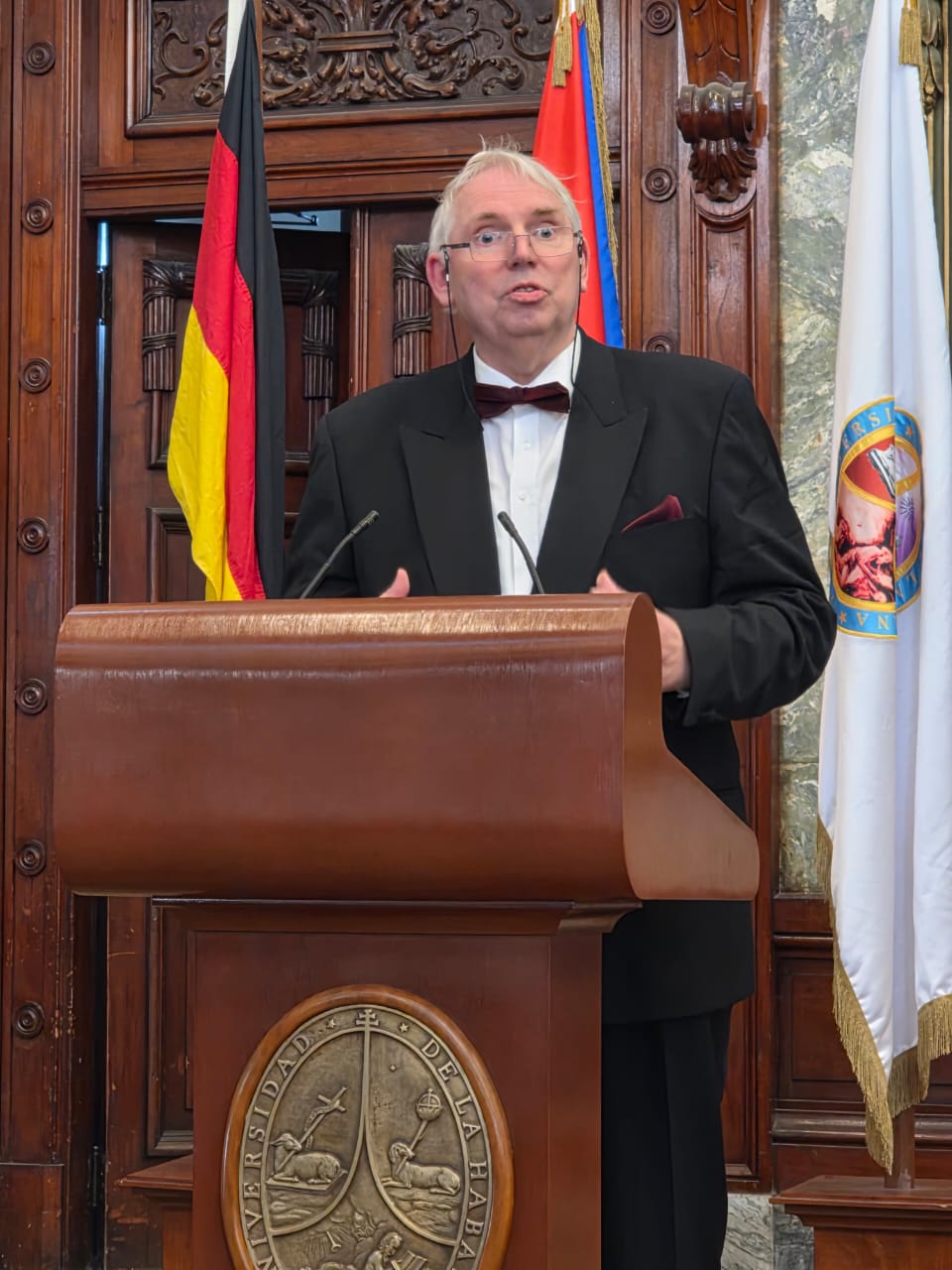
As part of the 15th International Conference of Higher Education “UNIVERSIDAD 2026,” which took place in Havana from February 9 to 13, 2026, Prof. Dr. Ludger Wessjohann was awarded an honorary doctorate “Doctor Honoris Causa” from the University of Havana. In recognition of his more than 25 years of service to the academic and scientific development of this university, Ludger Wessjohann is the second German university professor to receive this award in the 300-year history of the University of Havana.

As keynote speaker and one of the German project managers of the DAAD program “GLACIER – German Latin American Center of Infection & Epidemiology Research & Training”, he will present the scientific results of this consortium and its impact on bilateral cooperation with Latin America.

The University of Havana was founded in 1728, making it the oldest university in Cuba and one of the oldest on the American continent. The laudatory speech in the historic Aula Magna was given by Prof. Daniel Garcia Rivera, who received his doctorate in the Department of Bioorganic Chemistry in 2007 and has since regularly visited the institute as a guest scientist. Daniel Garcia Rivera is now director of the Laboratory for Synthetic and Biomolecular Chemistry at the University of Havana.

Thanks to the long-standing collaboration with the University of Havana, more than 20 Cuban students have completed their doctoral theses in Prof. Dr. Dr. h. c. Ludger Wessjohann’s research group, successfully defended them, and are now recognized scientists on an international level.

Prof. Dr. Bert Hoffmann outlines major trends shaping Latin America in 2026

Prof. Dr. Bert Hoffmann outlines major trends shaping Latin America in 2026

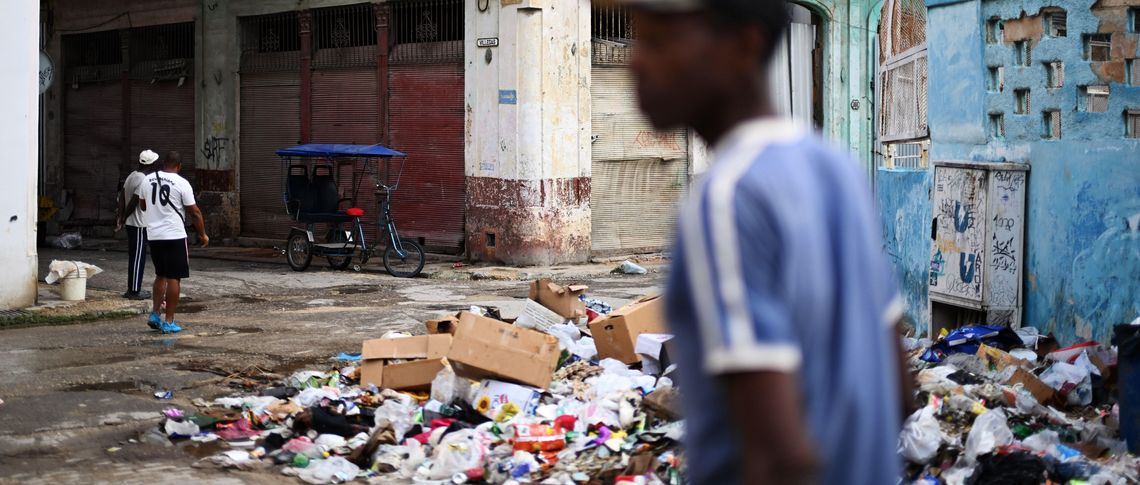
A new policy brief from GIGA by Bert Hoffmann, a member of the GLACIER Steering Committee, offers a forward-looking snapshot of Latin America in 2026, arguing that the year will be shaped by a combination of external pressure and domestic political turning points. The analysis places the United States at the center of the regional outlook, with a more assertive hemispheric posture expected to influence relations with Venezuela, migration and security agendas, and Latin America’s room for maneuver with China. At the same time, a busy electoral calendar, rising concerns over crime and insecurity, deepening socioeconomic strain in countries such as Cuba, and accelerating climate impacts create a volatile mix of risks and uncertainties that will affect governance and regional cooperation.

Arnoldo Robert/LatinContent/Getty Images

Bert Hoffmann identifies ten things to watch in Latin America in 2026:

1. Venezuela after Maduro: Even a decisive external shock would not guarantee a quick transition, and could instead produce a prolonged standoff with serious regional and international repercussions.

2. A revived Monroe Doctrine: The United States is portrayed as seeking a more assertive hemispheric posture, combining political pressure with economic leverage.

3. Latin America and China: Countries try to preserve trade and investment ties with China while navigating growing US–China tension and possible constraints on Chinese engagement.

4. Elections in 2026: A packed electoral calendar may reinforce volatility and fragmentation, with the possibility of further rightward shifts in some contexts.

5. Brazil’s turning point: Brazil’s presidential election is framed as a key regional contest, with high polarization and implications for foreign policy orientation.

6. Crime and insecurity politics: Security agendas and “mano dura” approaches remain powerful drivers of political competition, regardless of mixed evidence on effectiveness.

7. Trumpification of the right: Alignment with Trump style politics may reshape alliances on the right, but can also create domestic backlash and internal divisions.

8. Mexico as an outlier: Mexico faces intense pressure at the intersection of trade, migration, and security, with major tests ahead in its relationship with the United States.

9. Cuba’s deepening crisis: Economic strain and external constraints are presented as pushing Cuba into a more acute and uncertain phase.

10. Climate impacts and health risks: Fires, floods, drought, and storms intensify, and weakened prevention capacity raises concerns about renewed infectious disease risks.


Research Center Borstel joins GLACIER 2

Research Center Borstel joins GLACIER 2

We are pleased to welcome Research Center Borstel Leibniz Lung Center as a German institution joining GLACIER 2 (2026 to 2030). As the lung research center of the Leibniz Association, Borstel brings strong expertise across respiratory health, from chronic inflammatory conditions such as asthma, COPD, and allergies to tuberculosis and other infection related lung diseases.

We look forward to working together and strengthening scientific exchange and collaborative activities across the GLACIER network in the years ahead.