






Call for Abstracts – TIMO 2026

Call for Abstracts – TIMO 2026

GLACIER brings together a multidisciplinary One Health network across Europe and Latin America to strengthen research, training & collaboration on infectious diseases and immune responses.
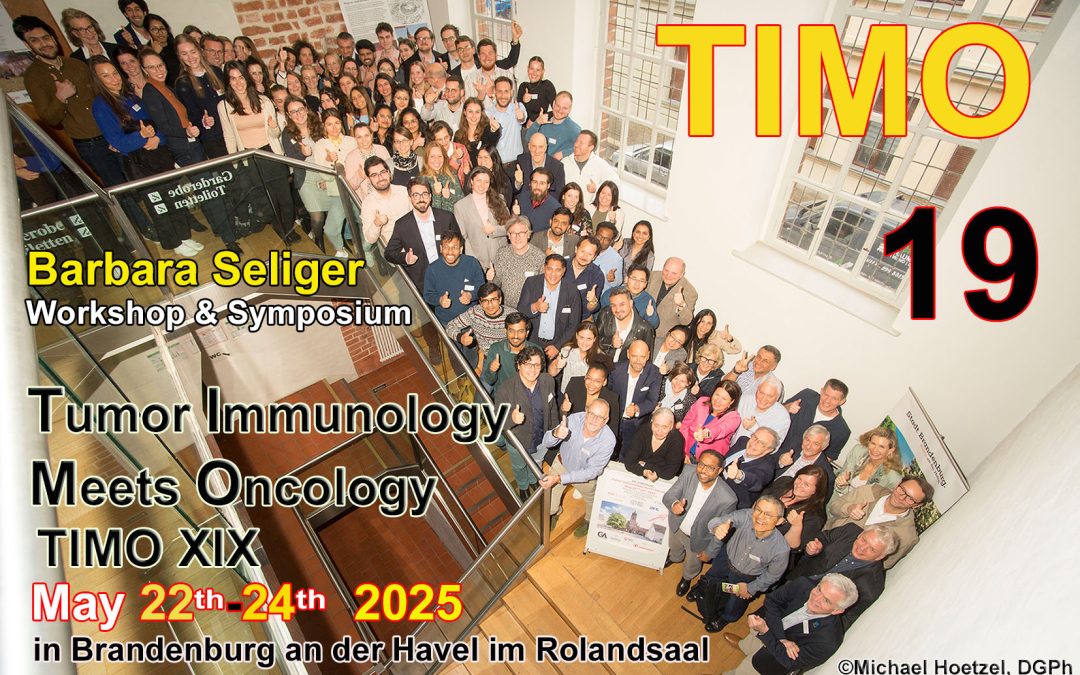
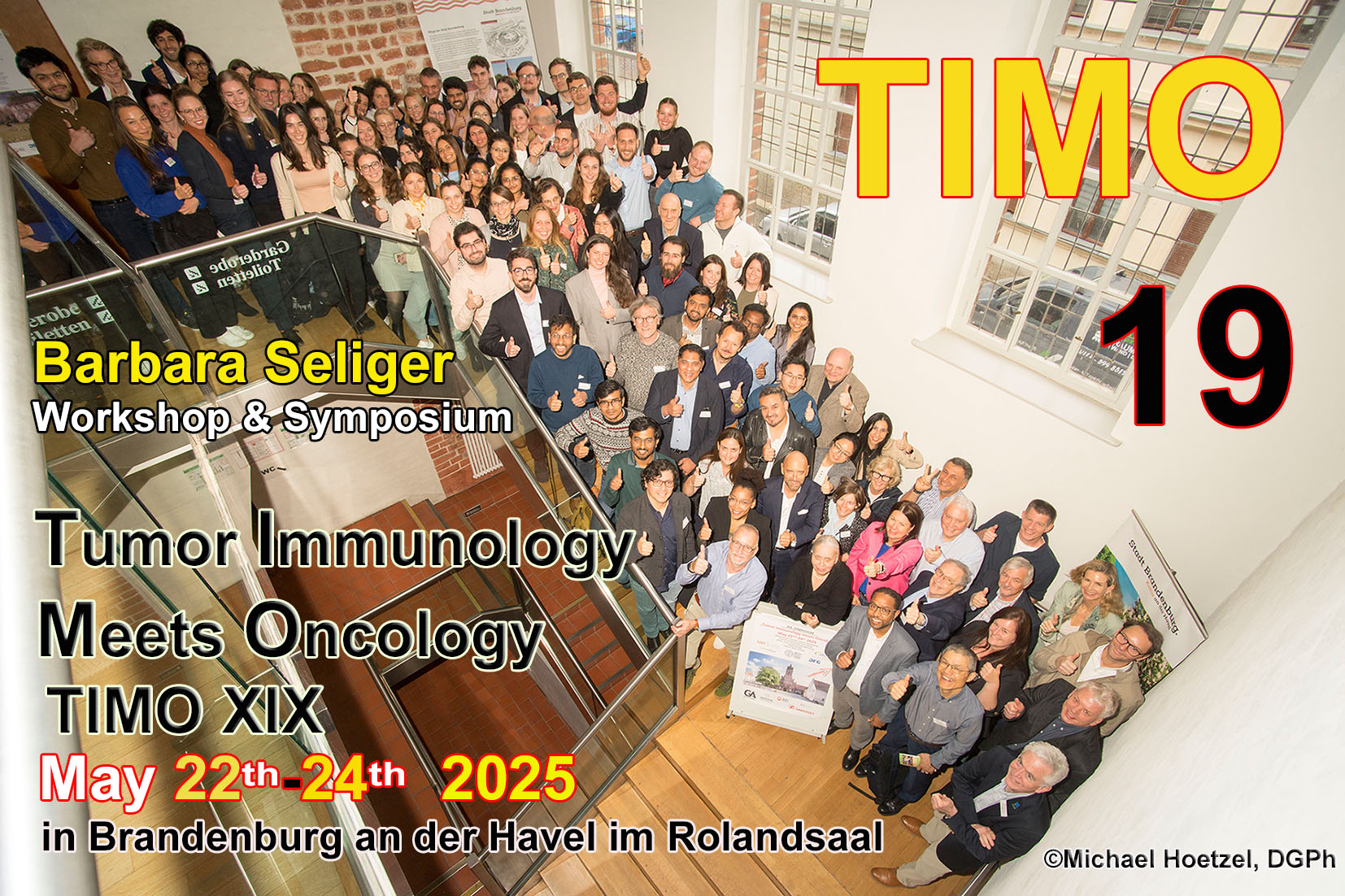
GLACIER PI Prof. Dr. Barbara Seliger (MLU Halle and MHB Brandenburg Medical School Theodor Fontane) is organizing the 20th Tumor Immunology Meets Oncology (TIMO) workshop (May 7–9, Brandenburg, Germany).

While rooted in tumor immunology, TIMO connects to GLACIER’s broader work on immune mechanisms, therapeutics & translational research.

Abstracts for talks & posters
Deadline: 15 April 2026

We especially encourage GLACIER fellows & alumni to apply and represent our network!

GLACIER team meeting in Costa Rica to close the first funding phase

GLACIER team meeting in Costa Rica to close the first funding phase

GLACIER’s team met in Costa Rica to close the first funding phase (2020–2025) and launch the roadmap for GLACIER 2 (2026–2030). We held a two-part gathering in Monteverde and San José, with the shared purpose of reviewing what we achieved, aligning priorities across partners, and setting the guiding lines for the next phase.

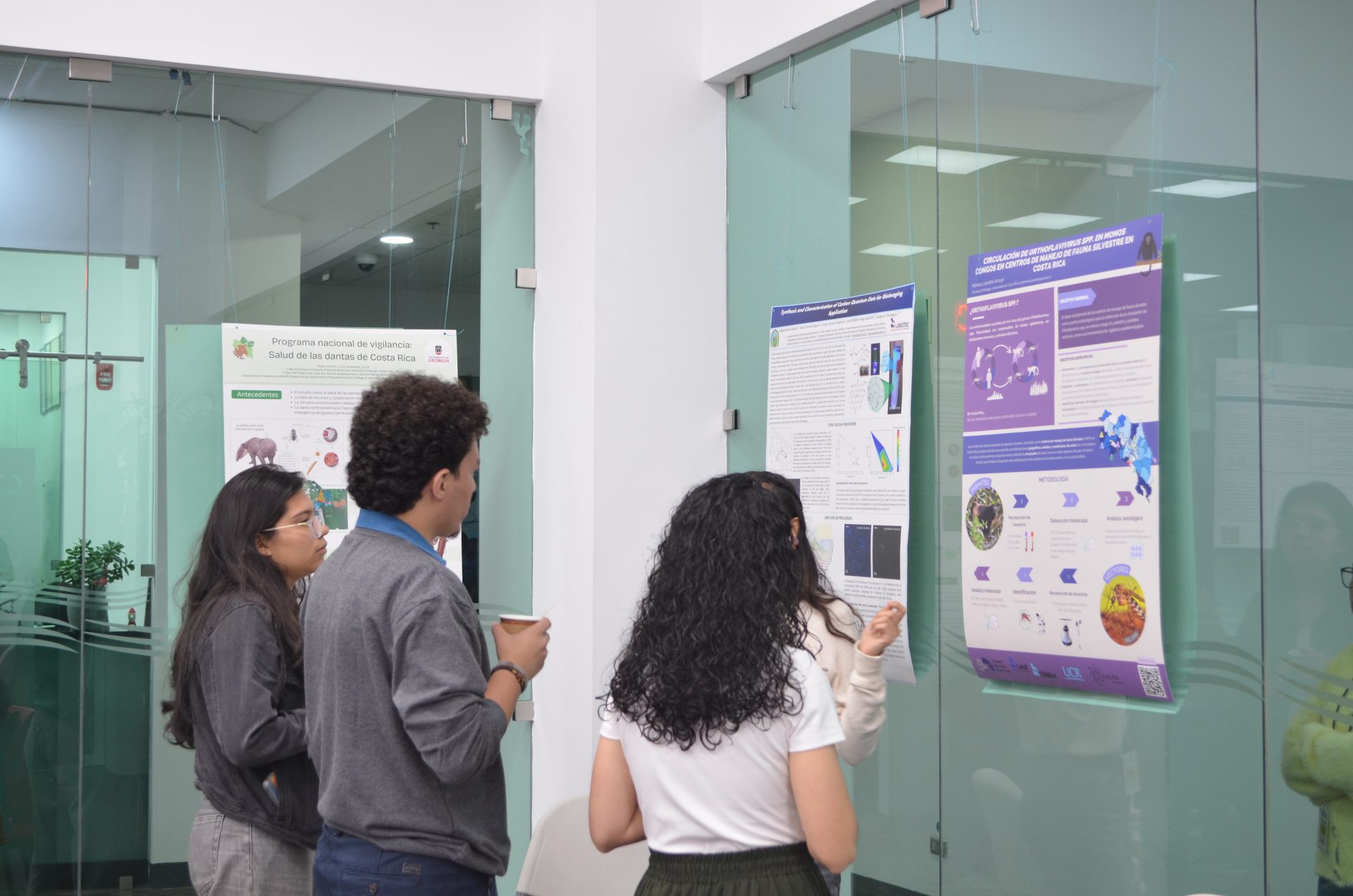
In Monteverde, GLACIER members held an internal scientific retreat to synthesize lessons learned and consolidate a shared roadmap. We then moved to San José, where the meeting broadened to include Costa Rican stakeholders from academia and government, the German Embassy in Costa Rica, and GLACIER members from across the network, including participants from Germany, Mexico, Colombia, and Cuba. A key highlight was the student session: Costa Rica-based exchange students supported by GLACIER presented their work, sparking discussion on outcomes, future opportunities, and next steps.

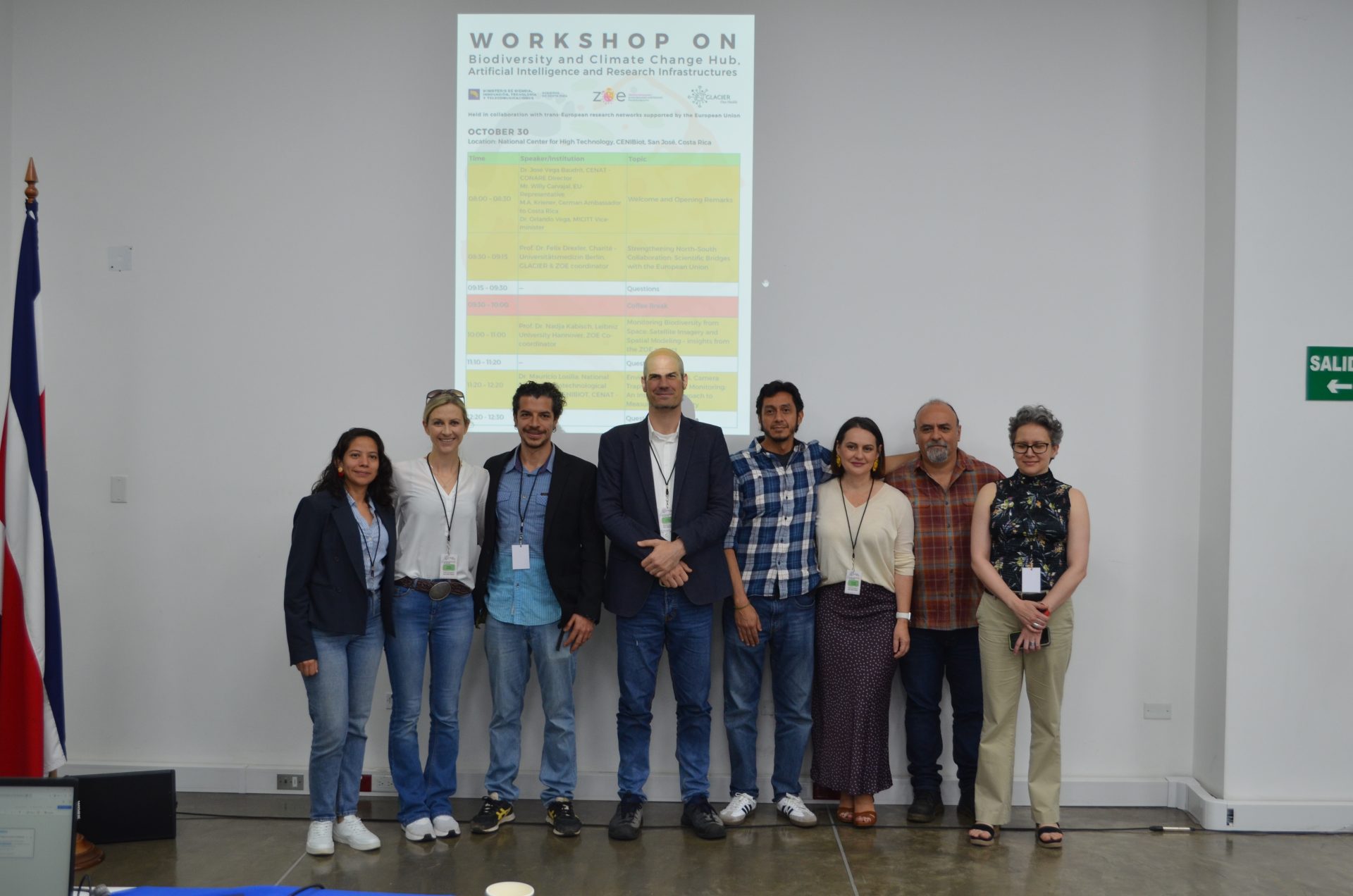
In parallel, colleagues from the sister project ZOE (Zoonosis Emergence across Degraded and Restored Forest Ecosystems) contributed to the broader San José program, including the International Seminar “Science & Society in One health – Innovation in Biodiversity & Environmental Health” at Centro Nacional de Alta Tecnología, with presentations by Prof. Dr. Felix Drexler and Prof. Dr. Nadja Kabisch, as well as a visit to ZOE case-study field sites led by the Costa Rican team (https://www.zoe-project.eu/2025/11/12/zoe-in-costa-rica/).

In brief, GLACIER’s first funding phase exceeded planned milestones, with training events and exchanges (42 student and 38 guest scientist mobilities) and 46 manuscripts reporting original One Health data, alongside COVID 19-related contributions (including support for local vaccine development), the establishment of real labs in Mexico and Cuba, and a strengthened regional network.

Viral Symmetries

Viral Symmetries

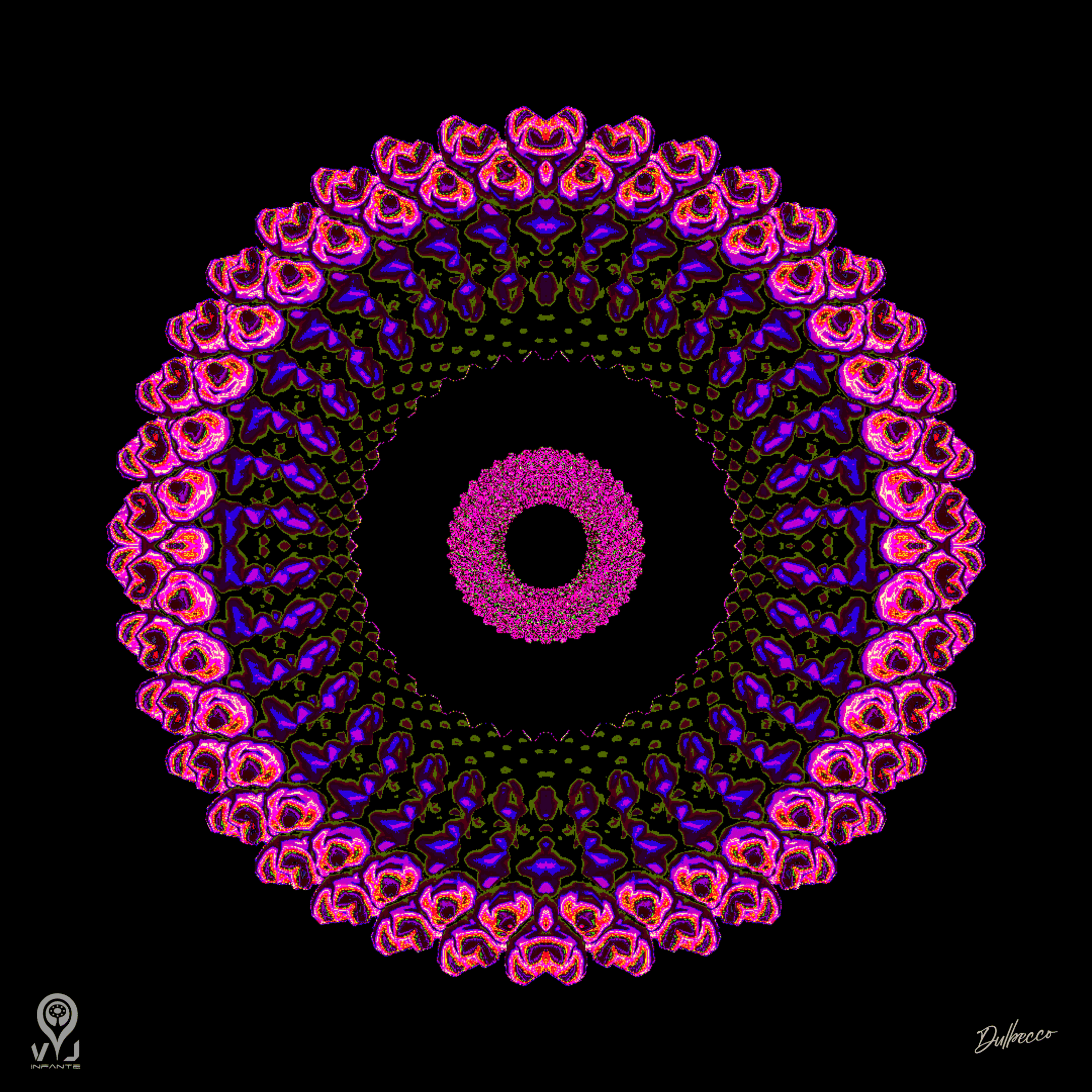
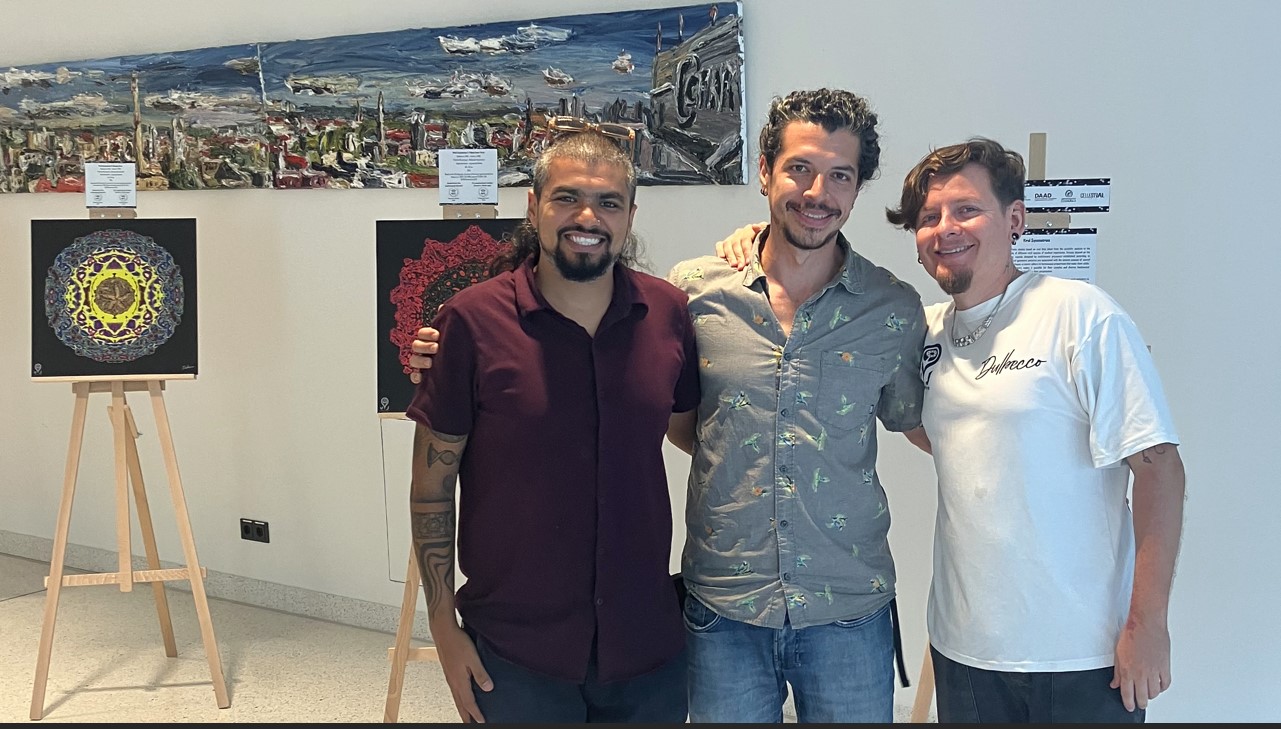
Viral Symmetries is a bioart exhibition that transforms the invisible world of viruses into a visual and sensory experience. The artworks are based on real structural data of viral capsids—nature’s geometric designs that allow viruses to persist and interact with their hosts.

Through colors, shapes, 3D visualizations, and original music, the exhibition highlights the beauty and complexity of viral symmetries, from icosahedrons to spirals, patterns deeply connected with both molecular biology and the ancient idea of “sacred geometry”.


The exhibition features five viruses that researchers at the Charité Institute of Virology frequently study in the laboratory, making it directly relevant to GLACIER’s mission of advancing interdisciplinary perspectives on health. Created by Dr. Jorge Arias, visiting scientist from Costa Rica, with mapping by Carlos Infante, Viral Symmetries invites us to look at viruses not only as agents of disease, but also as expressions of nature’s underlying harmony.

Currently on display at the Berlin Institute of Health.

Course on Chemical Technologies for Vaccine Development, 28 May 2025

Course on Chemical Technologies for Vaccine Development, 28 May 2025

The development of vaccines has been one of the greatest advances in the history of medicine, transforming the prevention of infectious diseases over the past two centuries. Vaccines stimulate the immune system to provide protection in the absence of disease, which has reduced morbidity and mortality from diseases caused by microbial pathogens.


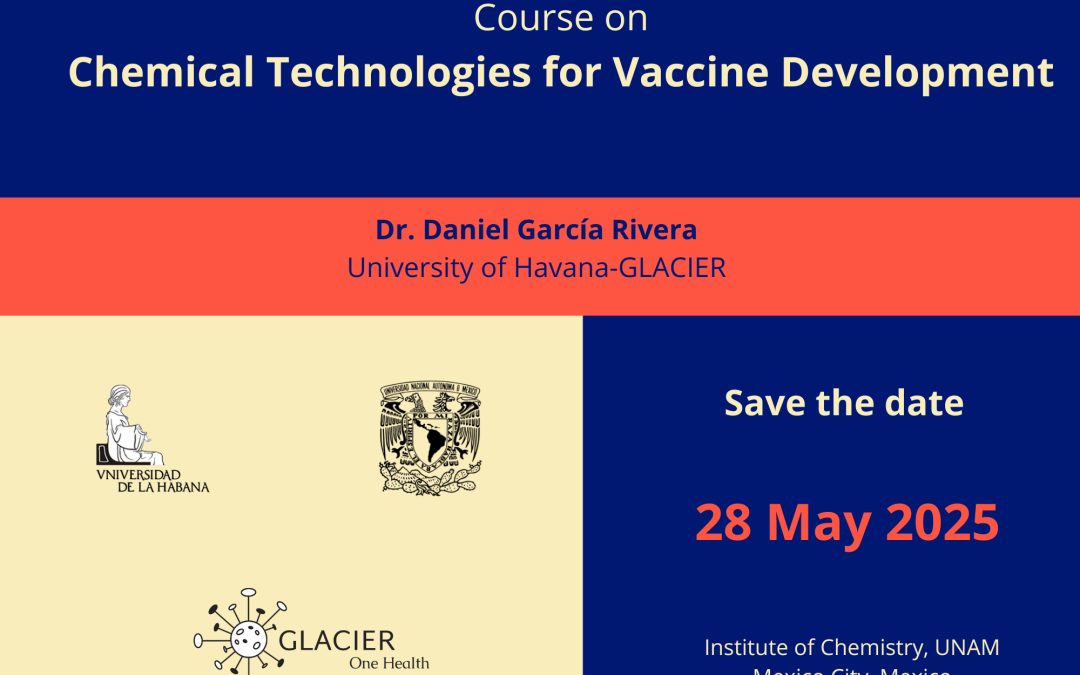
With the aim of introducing the different chemical technologies that have been used in the development of preventive antiviral and antibacterial vaccines, Dr. Daniel García Rivera (University of Havana-GLACIER) will present the course “Chemical Technologies for Vaccine Development” at the Institute of Chemistry, UNAM (Mexico City, Mexico) on 28 May 2025.

The course will be divided into three sections:

  1. Introduction to vaccine development and the different vaccine platforms.
  2. Recombinant and glycoconjugated protein vaccine technology.
  3. Messenger RNA vaccine technology and non-viral gene delivery systems.

The course will address issues related to the development of site-selective protein modification methods and the conjugation of carrier proteins to antigenic peptides, proteins and oligosaccharides of viral or bacterial origin. Progress in lipid nanoparticle technology for the delivery of nucleic acids, essential for the development of messenger RNA vaccines, will also be described.

Visit of Prof. Dr. Ludger Wessjohann to the University of Panama

Visit of Prof. Dr. Ludger Wessjohann to the University of Panama

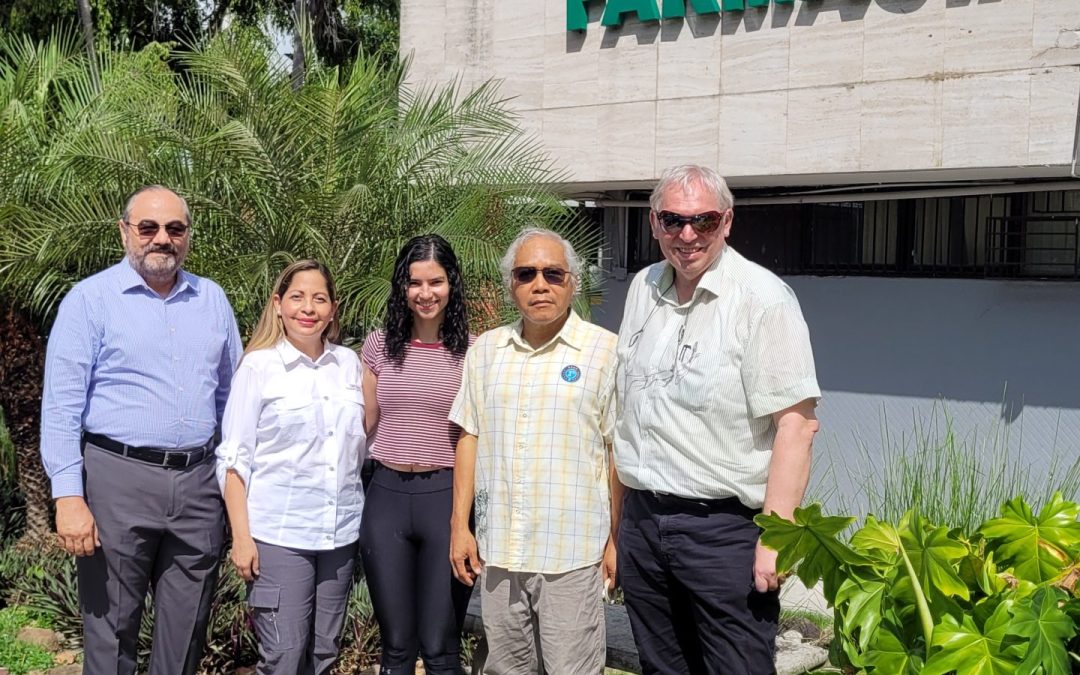
On 7 February 2025, Prof. Dr. Ludger Wessjohann visited the University of Panama. During his visit, Prof. Dr. Wessjohann gave three lectures at the Vice Rectorate and the Faculty of Pharmacy on GLACIER, Drug Development and Bioactives Database and Cloud.

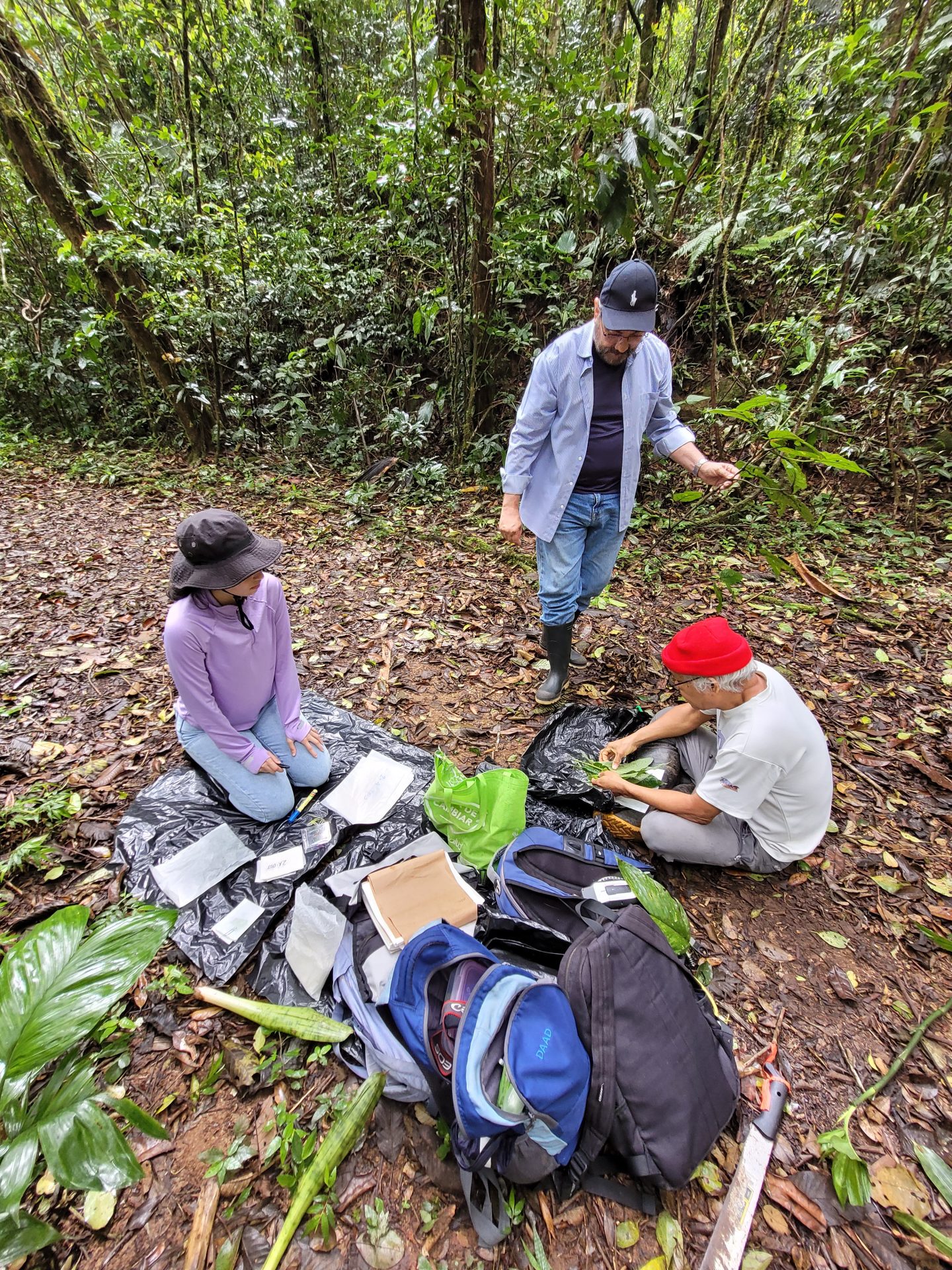
As part of the activities, a collection of medicinal plants for research was conducted. The team consisted of botanists, pharmacists and medicinal chemists from Panama and Germany.

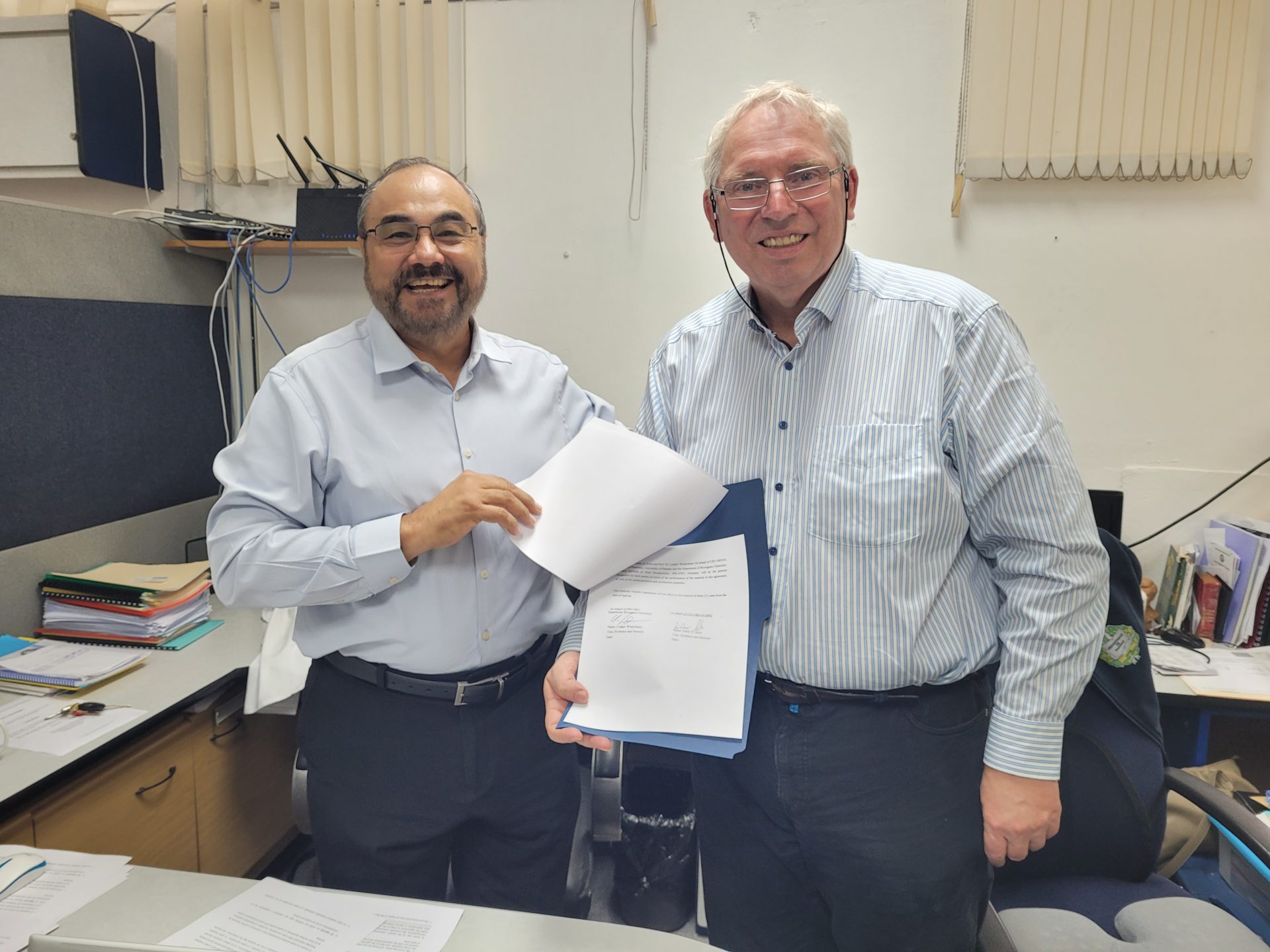
A cooperation agreement was also signed between the University of Panama and The Leibniz Institute of Plant Biochemistry (Prof. Dr. Pablo Solis and Prof. Dr. Ludger Wessjohann).