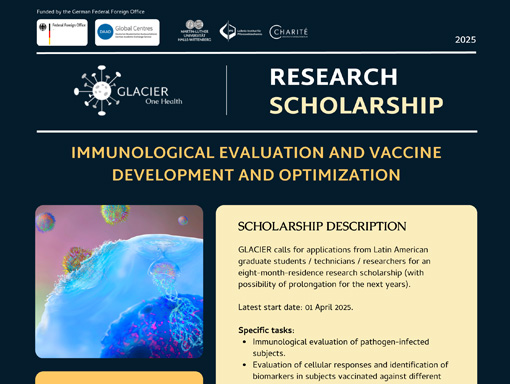
Call for Applications: Research Scholarship – Immunological Evaluation and Vaccine Development and Optimization

Funded by the German Federal Foreign Office





The Bernhard Nocht Institute for Tropical Medicine is thrilled to host the 14th European Congress of Tropical Medicine and International Health (ECTMIH) in 2025, in collaboration with the Leibniz Association. Under the theme “Better Health for All in a Changing World,” this congress promises to be a dynamic gathering of experts, researchers, and practitioners in tropical medicine and global health.
We invite experts from academia, NGOs, government, young scientists, and industry to join us in creating an impactful program by submitting a proposal for an organized session.
This is your opportunity to drive the conversation, share groundbreaking research, and inspire change on a global scale.
Organized Session Submission Guidelines:
Session Proposal Tracks Include:
Cross-Cutting Topics:
Sessions highlighting climate change, equality, behavioral research, or digital innovations are especially encouraged.
Key Submission Details:
🗓 Submission Deadline: December 15, 2024
📩 How to Submit: Send your completed proposal form to ectmih@bnitm.de with the title “ECTMIH 2025: Submission for Organised Session by (Your Organisation’s Name) and (Title of Symposia).”
Evaluation Guidelines:
Help us address today’s global health challenges—We look forward to seeing your ideas come to life at ECTMIH 2025!

We’re excited to announce two unique opportunities for PhD students at the DAAD Global Health Centres: a Grant Writing Workshop and a Call for PhD Cross-Centre Activities!
Grant Writing Workshop
This exclusive workshop is designed to help PhD students hone their grant writing skills, with insights from experts who understand the needs and goals of research funding. Due to the popularity of the course, it will now be offered twice, giving more students the chance to participate.
Booking binds you to participate. If you won’t be able to participate due to good reasons, please inform us (health-centres@daad.de) as early as possible, so we can inform people from the waitinglist to step in.
Details are as follows:
Click here to register:
Call for Cross-Centre PhD Activities
This call invites all DAAD-funded PhD students at the Global Health Centres to propose collaborative activities with other centres, promoting interdisciplinary research and knowledge exchange. Proposals (1-2 pages) are due by January 15th, 11:59 pm CET and can be sent to health-centres@daad.de.
For questions, join us on Thursday, 21st November, 1 pm – 1:30 pm CET for a consultation via MS Teams. Don’t miss out on these great opportunities to expand your skills and network across the DAAD Global Centres!
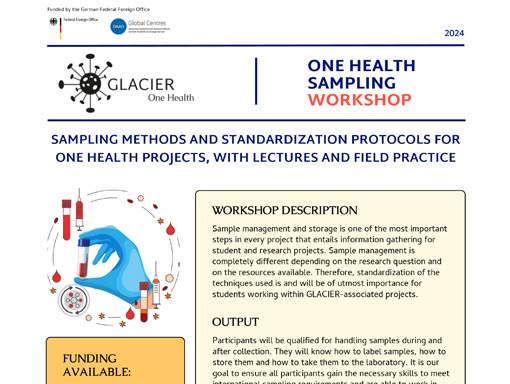
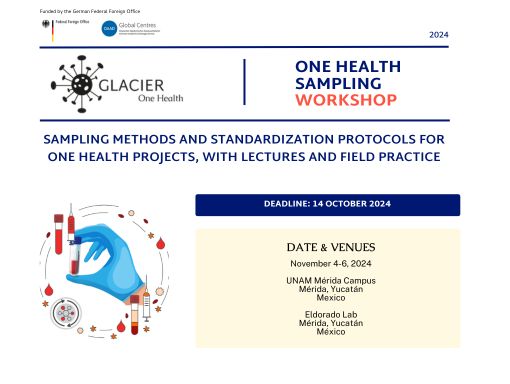
Sample management and storage is one of the most important steps in every project that entails information gathering for student and research projects. Sample management is completely different depending on the research question and on the resources available. Therefore, standardization of the techniques used is and will be of utmost importance for students working within GLACIER-associated projects.
Participants will be qualified for handling samples during and after collection. They will know how to label samples, how to store them and how to take them to the laboratory. It is our goal to ensure all participants gain the necessary skills to meet international sampling requirements and are able to work in accordance with German institutions’ standards and protocols.
One of the workshop’s objectives is to produce standardized procedures for sample management and storage for animal, plant and bioethical-importance resources.
Click below to see the full description:
© DAAD/Stefan Zeitz
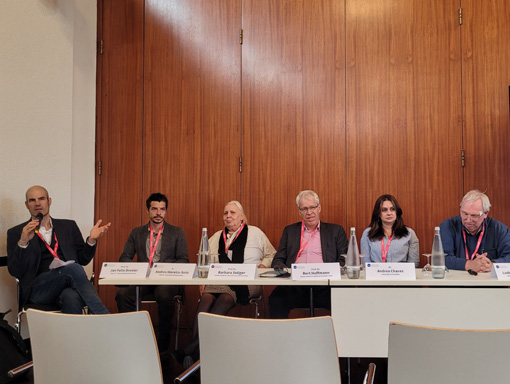
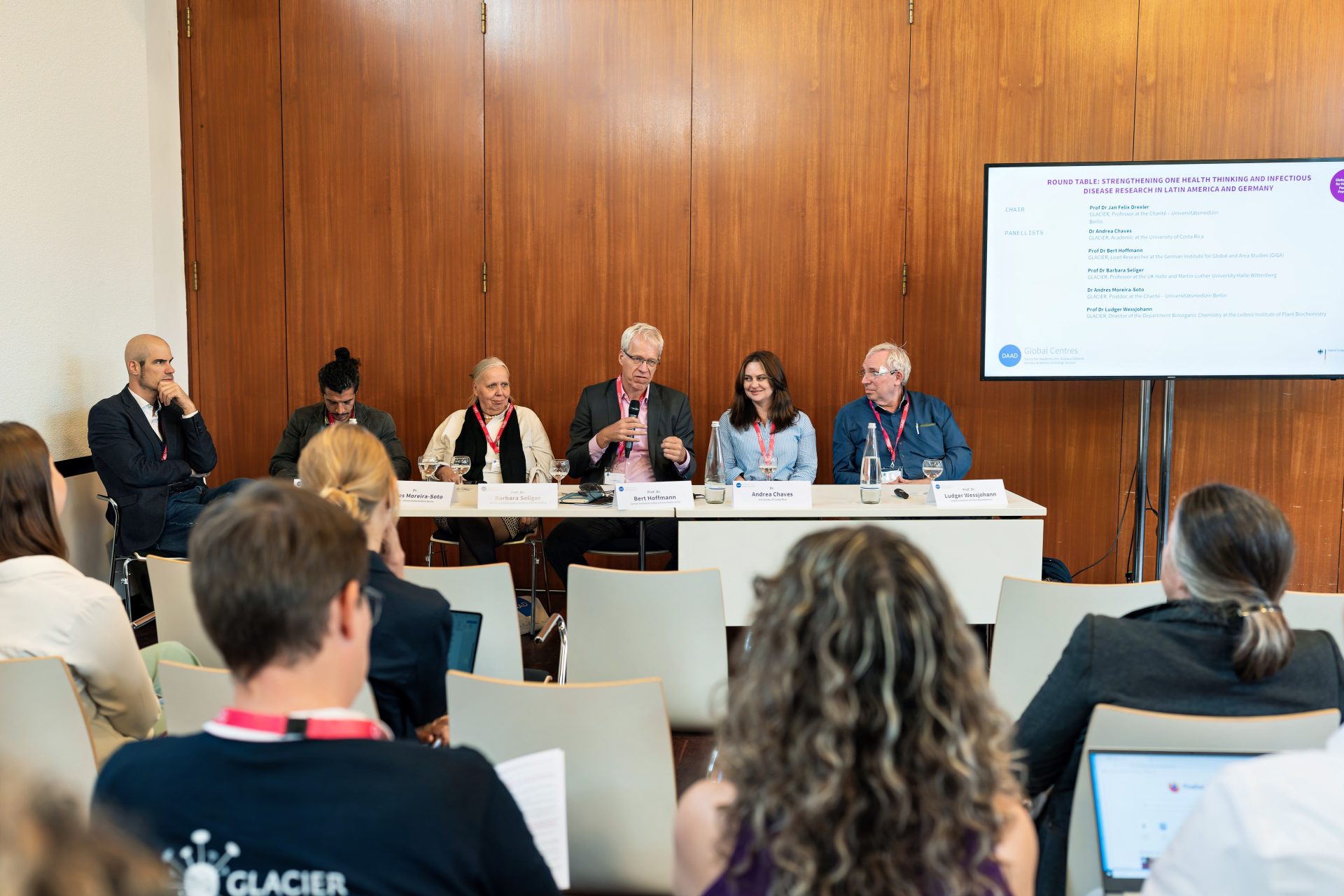
From 10 to 12 September 2024 the DAAD hosted their biennial Global Centres Conference, where the eight DAAD-funded global centres of which GLACIER is part reunited and shared their progress in Berlin, Germany.
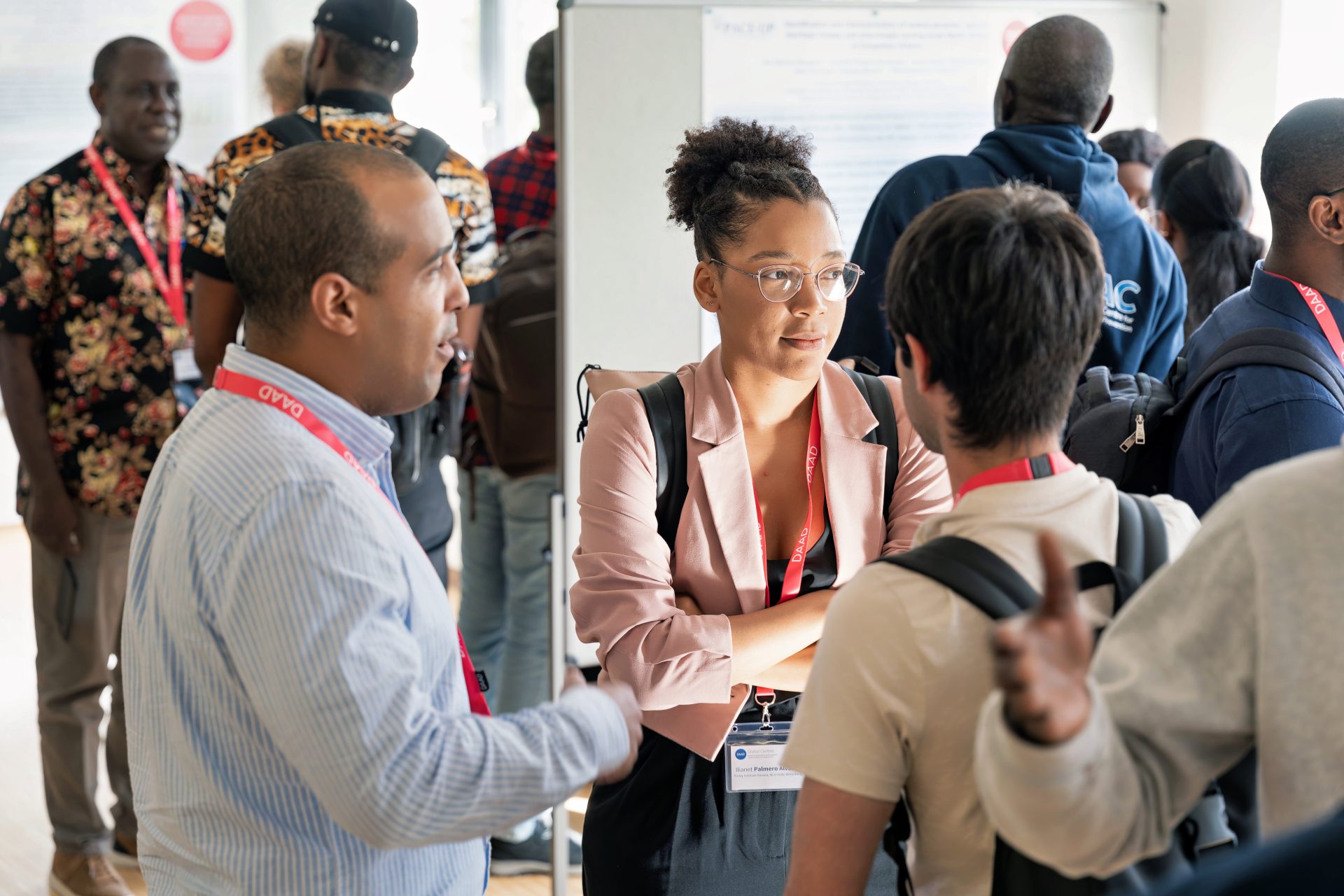
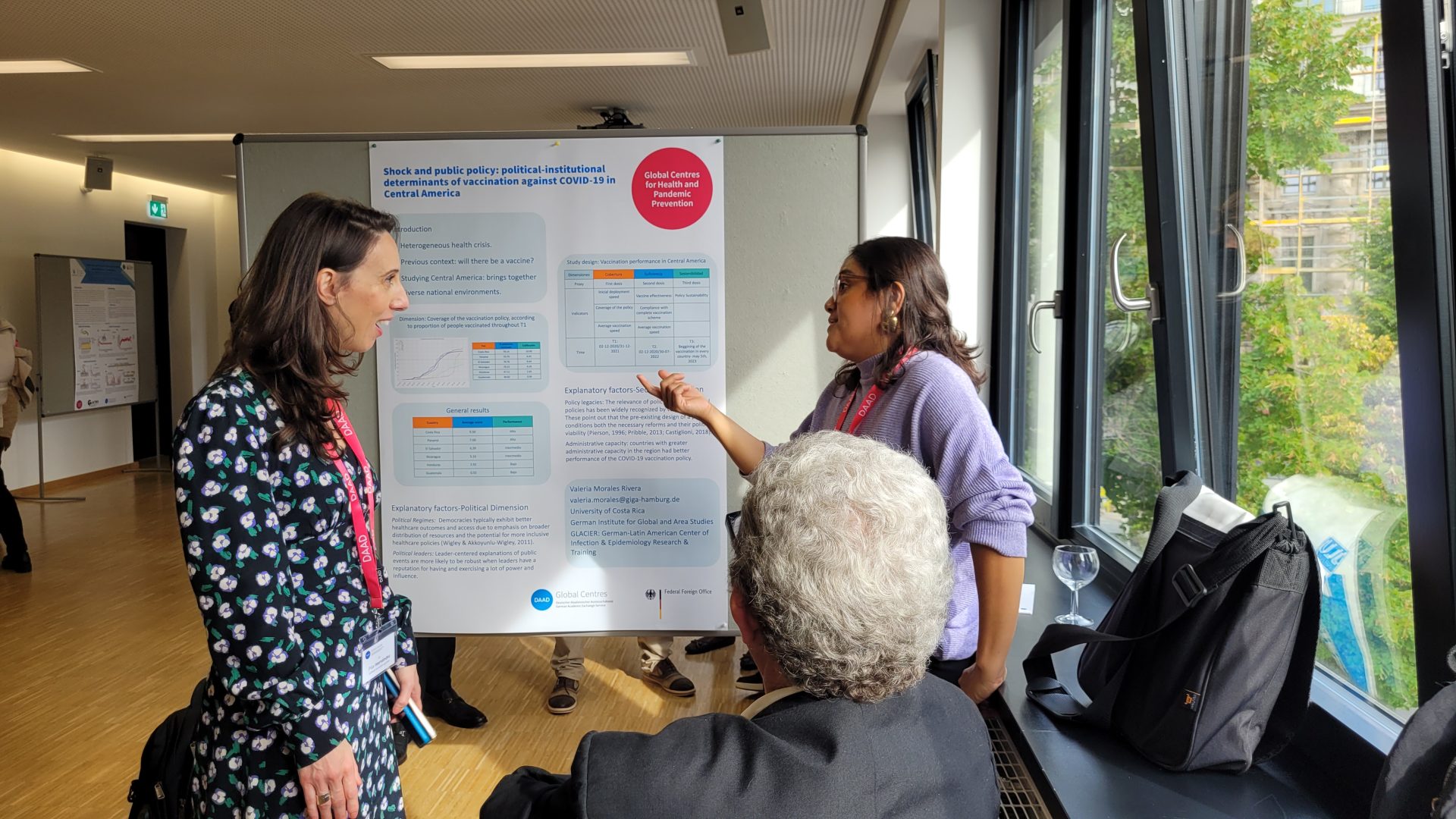
GLACIER participated with several talks, scientific posters, a round table, and also taking part in the workshops and in the exchange of the centre’s students experiences at a focused PhD student round table.
© DAAD/Stefan Zeitz


© GLACIER/Esmeralda Osejo Brito
Overall, the conference was a big success. There was intense discussion on the importance of the GLACIER impact regions and how the centre’s goals related to the needs of other countries in the global south.
There was an exchange of information through talks, round tables and participative workshops of projects and activities currently carried out by all the centres, where common problems, reseach lines, obstacles, experiences and goals could converge and alignments were outlined.
Some of the key points addressed were:
There was a noticeable number of parlamentarian and governmental representatives taking part in the event and sharing their opinions and points of view on the importance and future of the centres.

© GLACIER/Esmeralda Osejo Brito
The spirit of collaboration and sharing with other centres was present throughout, and connections were strengthened. There was also a chance for the environmental and health centres to interact beyond their area of research and discover different, enriching perspectives and contributions from other scientific areas.

© DAAD/Stefan Zeitz


© GLACIER/Esmeralda Osejo Brito

© GLACIER
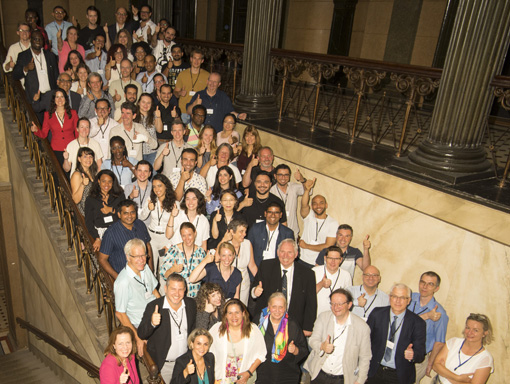
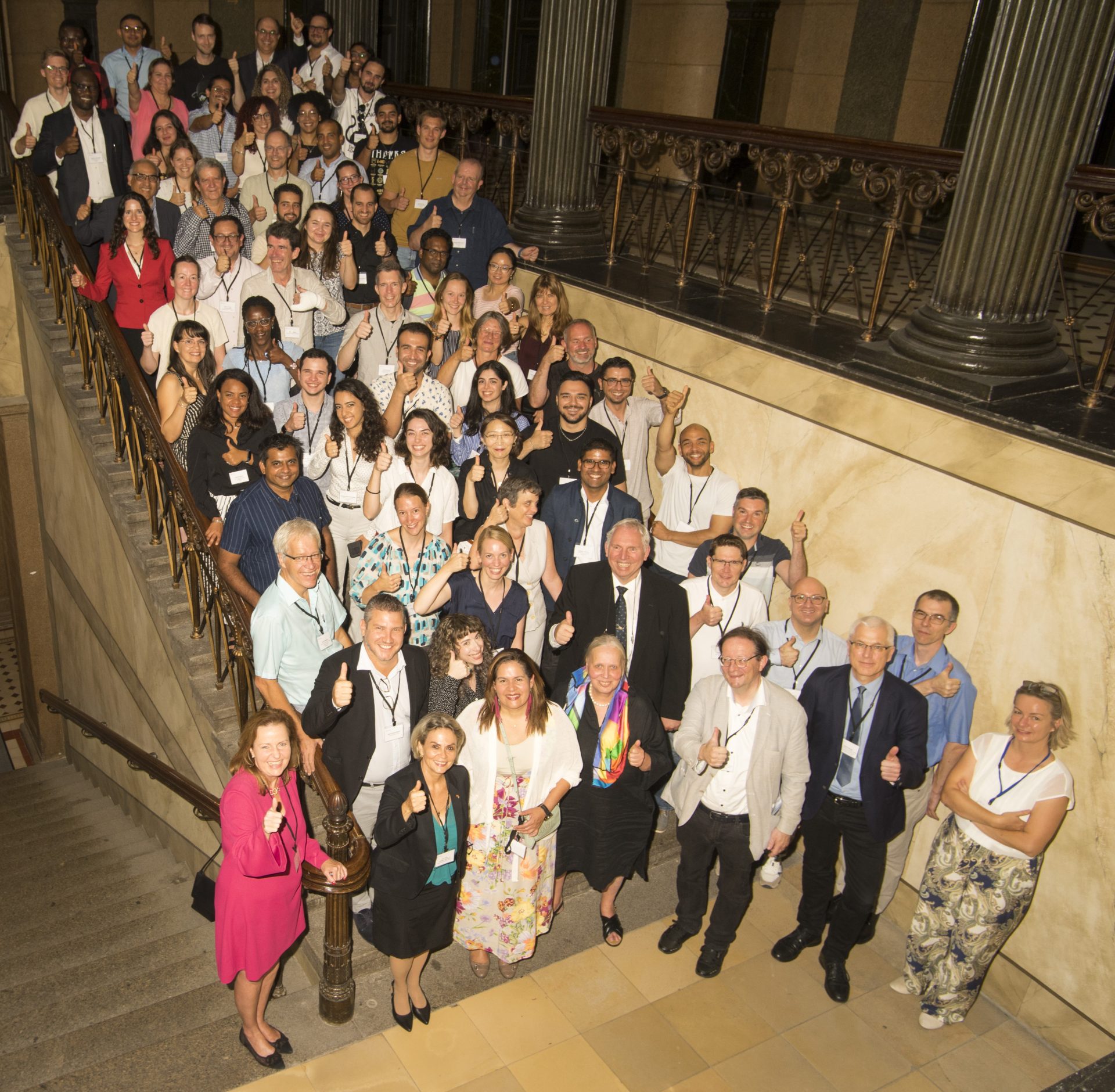
© GLACIER
In 20-22 August 2024 our yearly one health international symposium took place at the Martin Luther University Halle-Wittenberg (MLU) in Halle(Saale), Germany.
Dr. Barbara Seliger and Dr. Ludger Wessjohann, GLACIER co-PIs and responsible for the organization of this year’s symposium, inaugurated the event, followed by opening words by Prof. Heike Kielstein, Dean of the MLU Medical Faculty, Dr. Peter Hinrichs, from the Ministry of Environment, Agriculture and Energy, State of Saxony-Anhalt, Prof. Dr. Axel Brakhage from Leibniz Institute for Natural Product Research and Infection Biology – Hans Knöll Institute, vice president German Research Foundation, and at last but not least by H.E. Juana Martinez Gonzalez, Cuban Ambassador to Germany and H.E. Yadir Salazar Mejía, Colombian Ambassador to Germany.

© GLACIER
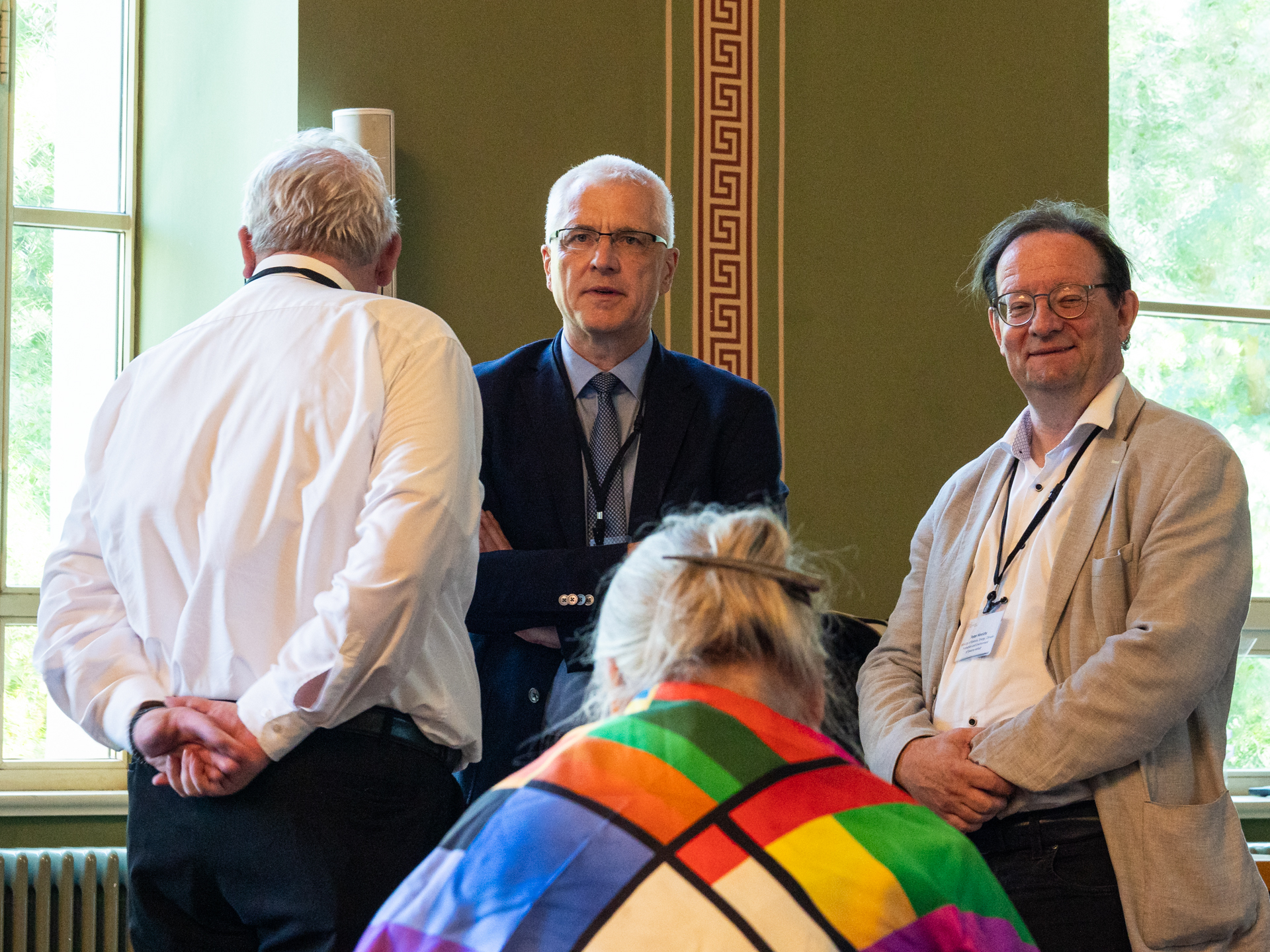
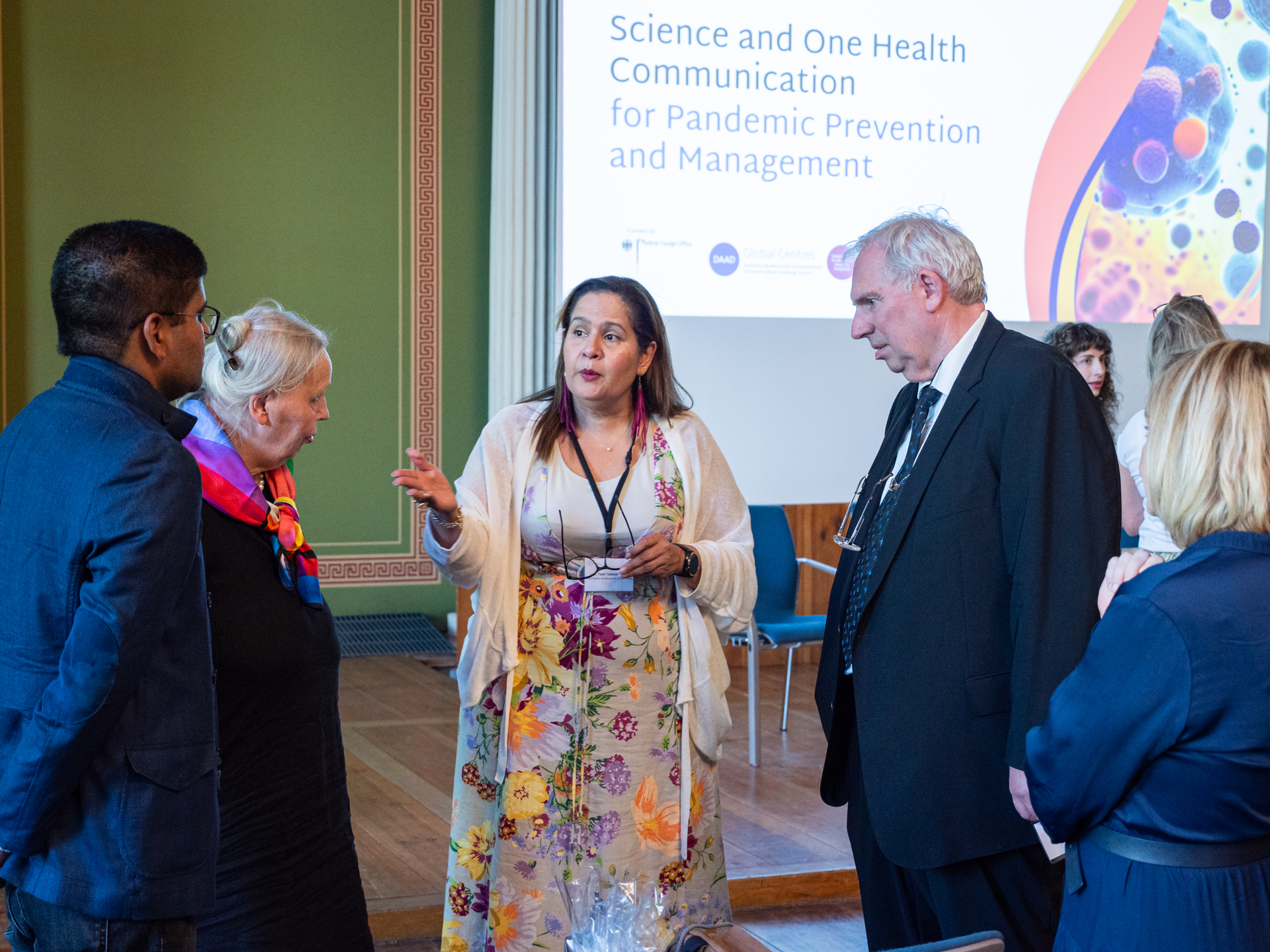
Among our participants, we had speakers from Europe, Israel, the USA and Latin America, as well as members from the World Health Organization (WHO). In seven different thematic sessions, experts from the fields of medicine, biology, chemistry and pharmacy, as well as stakeholders from the healthcare system and social sciences, presented their analyses on lessons learned from the COVID-19 pandemic, developments in the field of infectious disease and epidemic treatment, communication strategies and obstacles between society, academia and policymakers.

© GLACIER
The range of topics includes not only the development of new drugs and vaccines, but also the social impact of epidemics on society. For the first time, we had a session on science communication in pandemic scenarios at this conference.
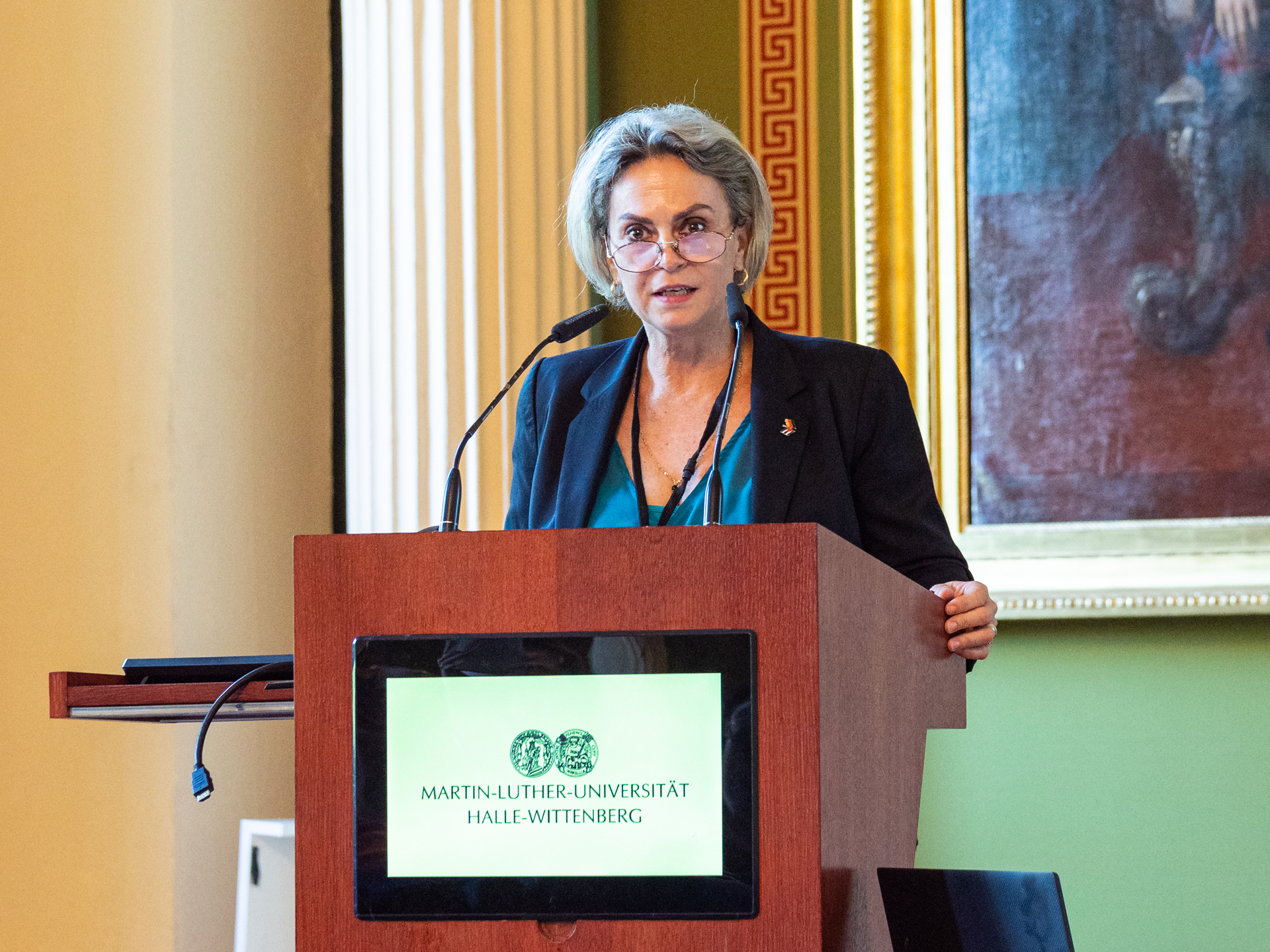
© GLACIER
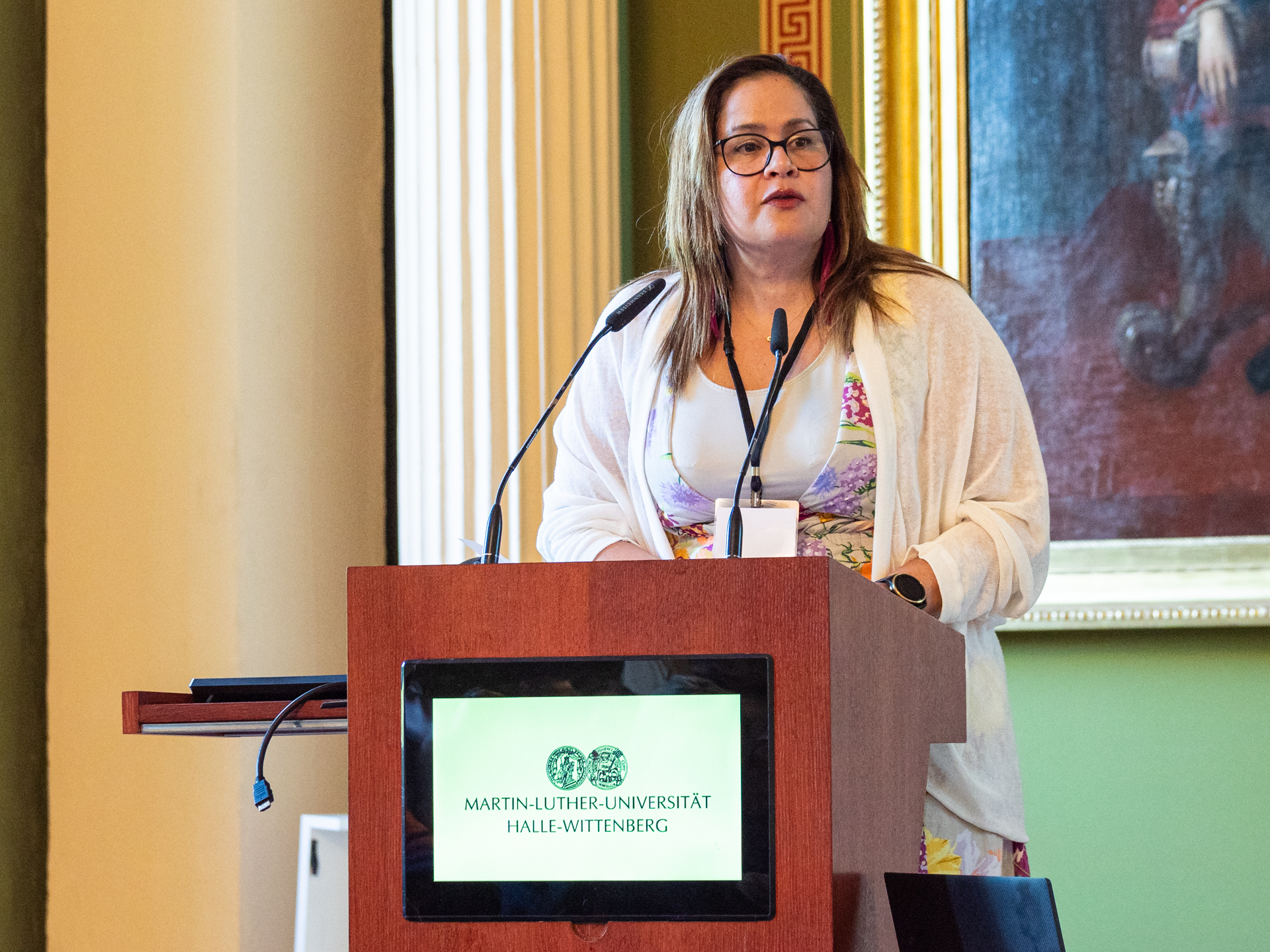
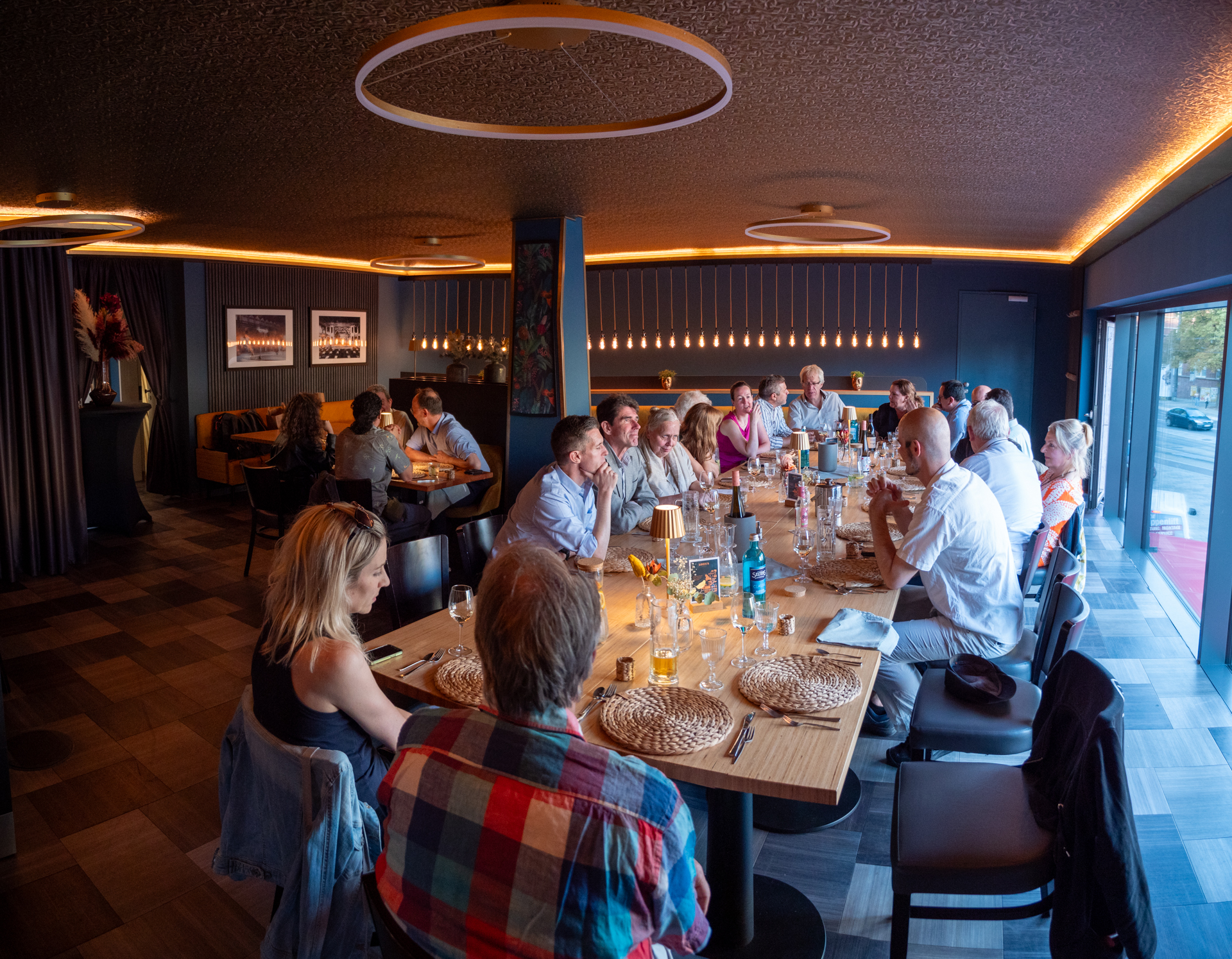
© GLACIER
The event was quite successful, with enlightening presentations from experts in virology, vaccine development, disease history and ecology, immunology, transdisciplinary research on vulnerability to disease outbreaks and epidemics, and many more.
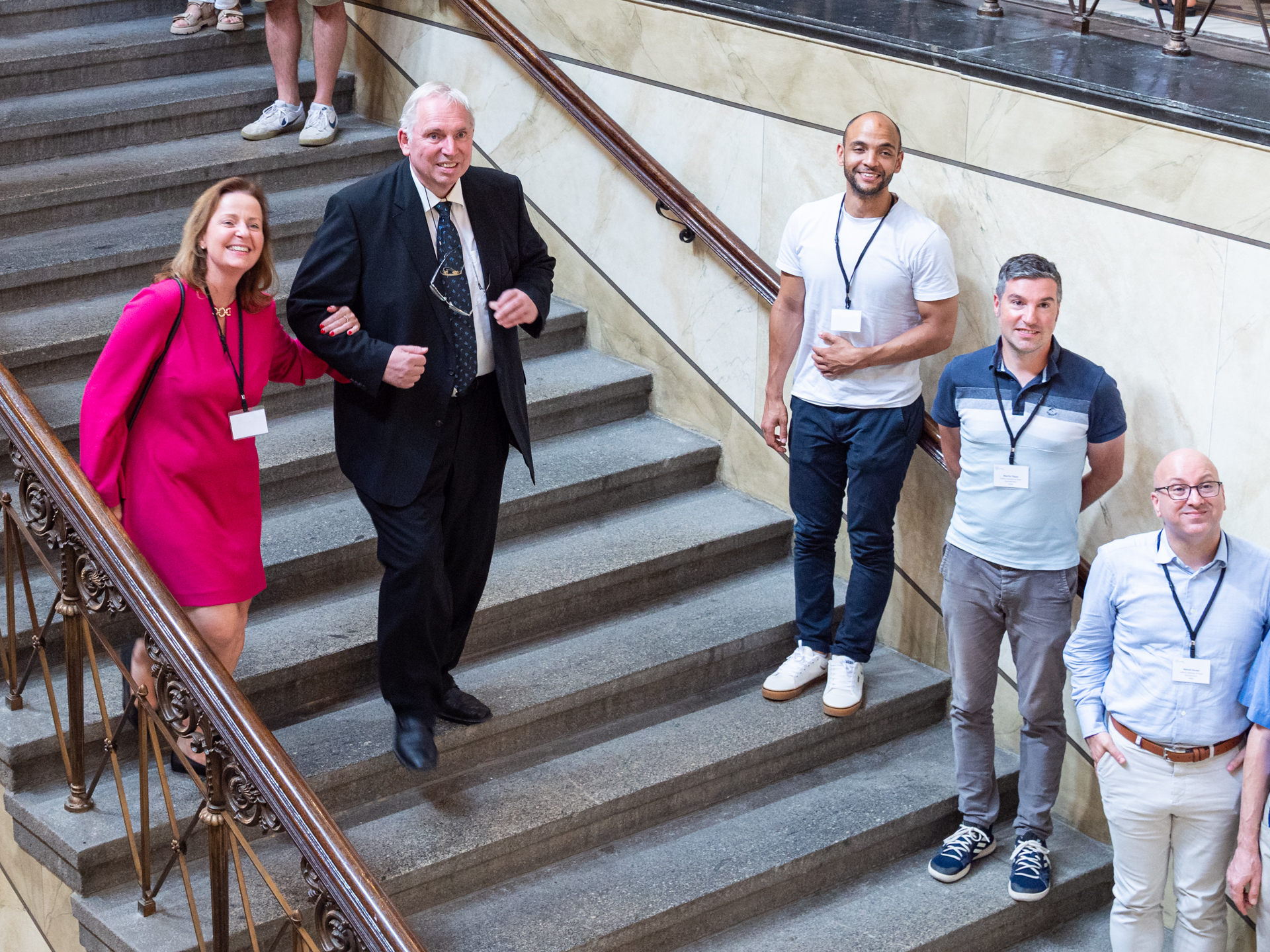
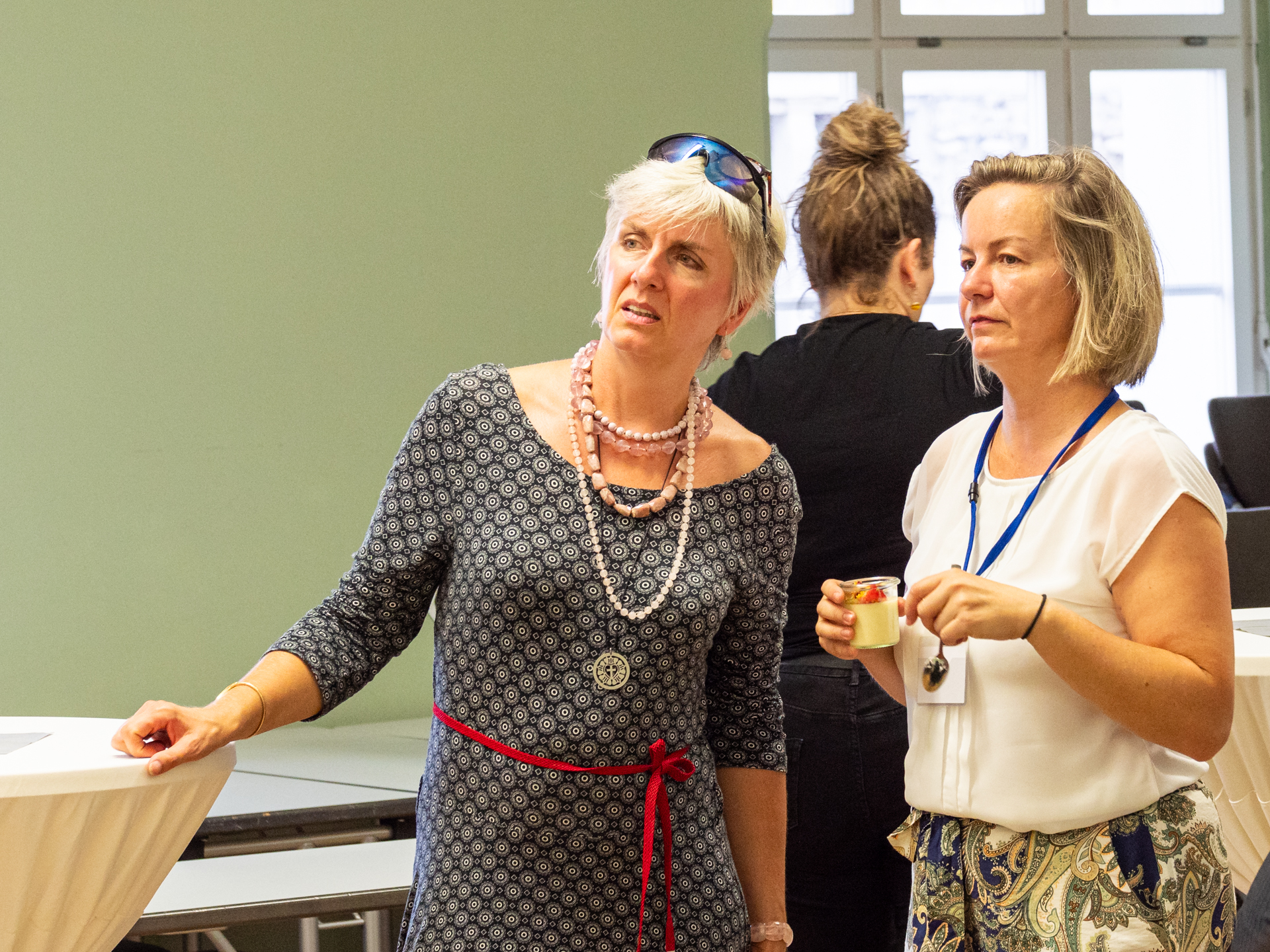

© GLACIER
For more information on this year’s symposium speakers, program and live recordings please visit our 2024 symposium website.