




GLACIER welcomes a new Associated Partner in Colombia

GLACIER welcomes a new Associated Partner in Colombia

We are pleased to announce that Colombia is joining GLACIER 2 (2026–2030) as a new country of collaboration through an Associated Partner Dr. Bladimiro Rincón (Universidad Industrial de Santander).

Dr. Rincón will contribute expertise in epidemiological surveillance and regional outreach, strengthening GLACIER’s capacity to support evidence-informed collaboration and engagement across the region.

We warmly welcome Dr. Rincón and the Universidad Industrial de Santander to the GLACIER network and look forward to building new opportunities for joint work in Colombia and beyond.

GLACIER will enter its second funding phase from 2026 to 2030

GLACIER will enter its second funding phase from 2026 to 2030

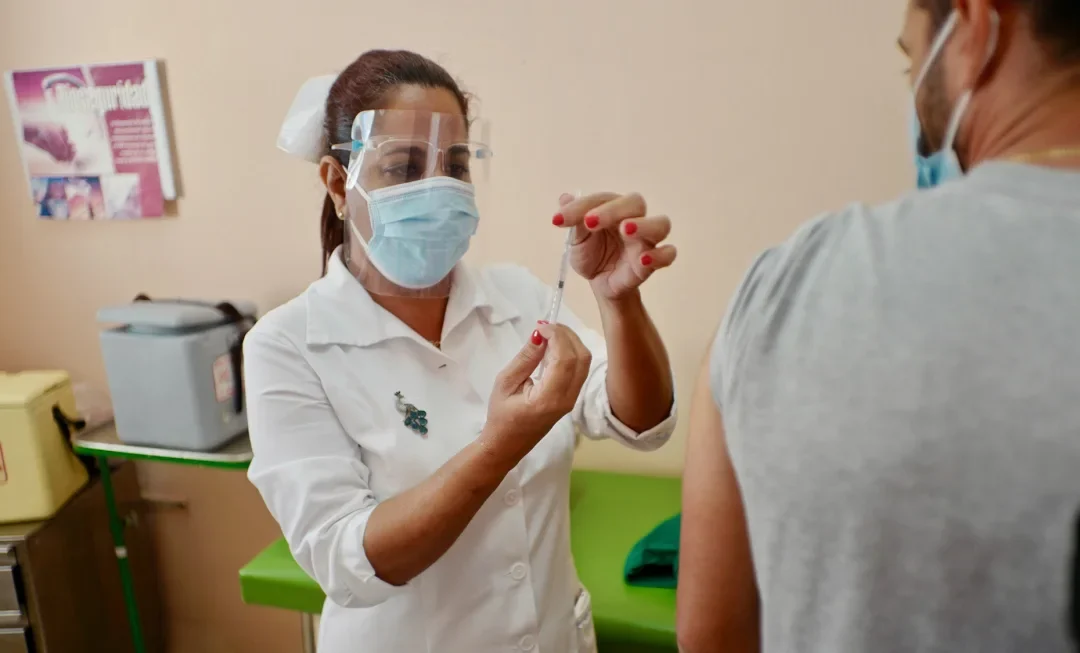
We are glad to share a brief update on GLACIER’s progress and to announce the start of GLACIER 2 (2026–2030). During the first funding phase (2020–2025), the consortium exceeded its planned milestones, delivering workshops/summer schools/events, supporting 42 student exchanges and 38 guest scientist exchanges, and contributing to 46 manuscripts reporting original One Health data across the region. We also supported a strong COVID-19 response (including local vaccine-development efforts), established real labs in Mexico and Cuba, and strengthened a working regional network, including a pandemic-preparedness virtual toolbox on regional medicinal plants. Feedback from an external review was incorporated to streamline and strengthen the GLACIER 2 proposal.

Building on these achievements, GLACIER 2 will centre training, doctoral research, and practical activities around three interconnected thematic axes: 1) Human and Animal Mobility, 2) Local Vaccine and Treatment Innovation, and 3) Sustainability. These axes are designed to work together. For instance, insights from pathogen detection and genomics under Axis 1 can directly inform vaccine and treatment work under Axis 2, while Axis 3 ensures that skills and best practices are sustained through shared training formats, curricula, and SOPs.

Led by Charité and IPB, GLACIER 2 will deepen collaboration with key regional anchors—the University of Havana (Cuba) and UNAM (Mexico)—while continuing engagement with German partners and associated institutions across Central America. GLACIER 2 also expands its associated partnership base, adding institutions such as CINVESTAV (Mexico) and new collaboration in Colombia. Participation will remain broad through centrally administered calls for internships, summer schools, workshops, and meetings, supporting an inclusive regional network with improved manageability. Across all activities, GLACIER 2 will continue to link social and natural sciences and strengthen sustainability through a Train-the-Trainer approach and alumni involvement, helping ensure that knowledge and skills persist well beyond individual exchanges and the funding period.

GLACIER team meeting in Costa Rica to close the first funding phase

GLACIER team meeting in Costa Rica to close the first funding phase

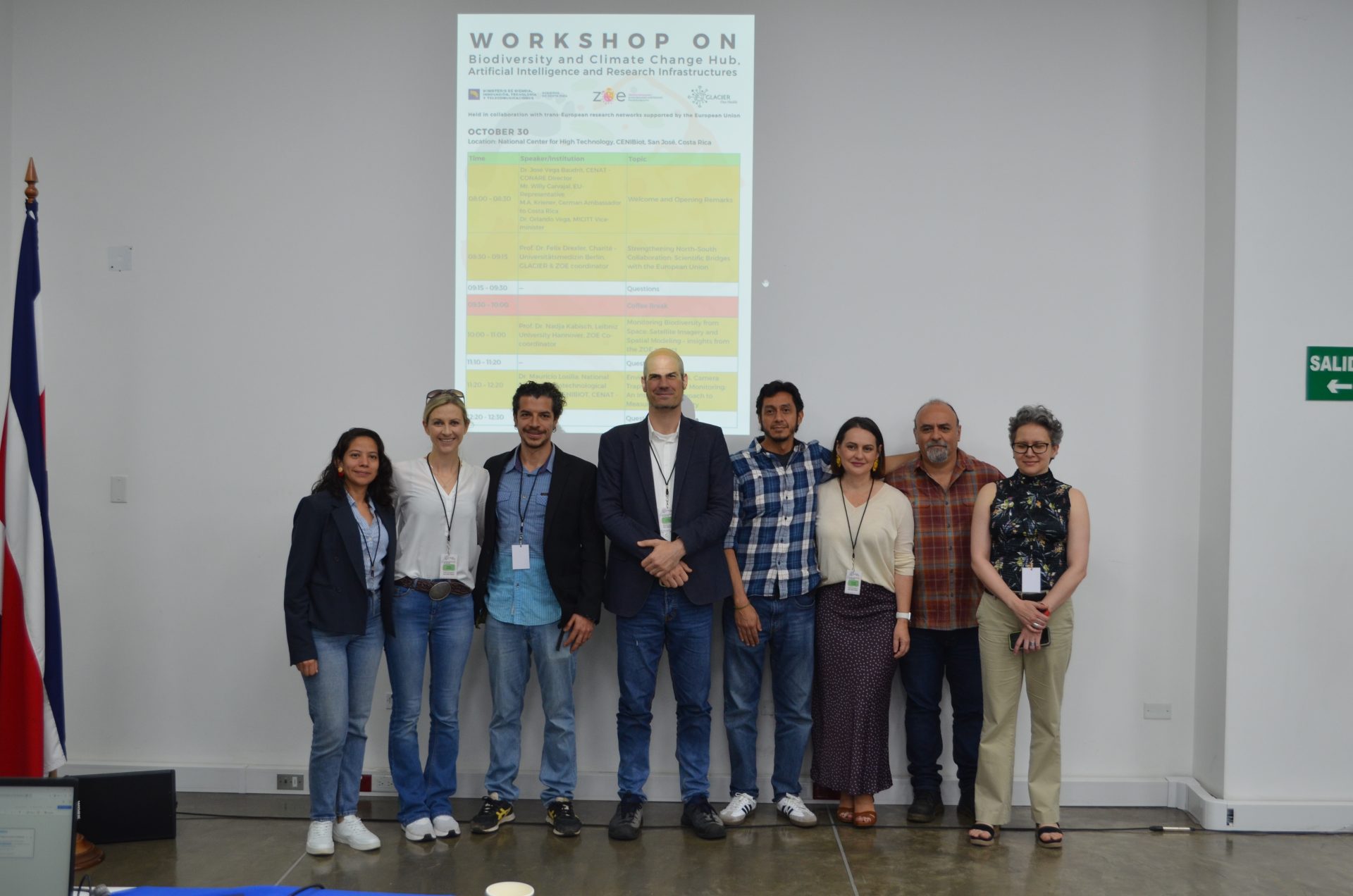
GLACIER’s team met in Costa Rica to close the first funding phase (2020–2025) and launch the roadmap for GLACIER 2 (2026–2030). We held a two-part gathering in Monteverde and San José, with the shared purpose of reviewing what we achieved, aligning priorities across partners, and setting the guiding lines for the next phase.

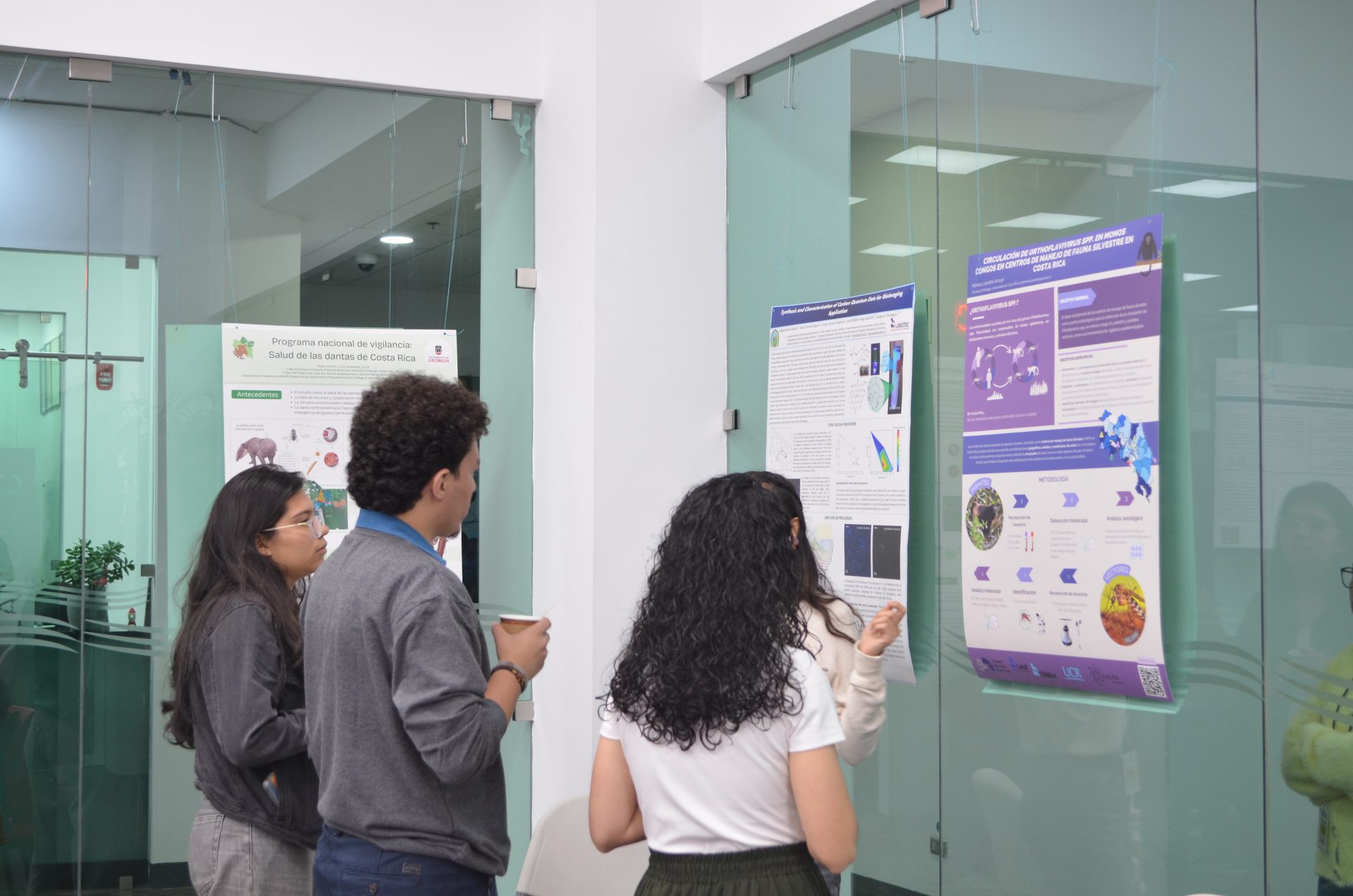
In Monteverde, GLACIER members held an internal scientific retreat to synthesize lessons learned and consolidate a shared roadmap. We then moved to San José, where the meeting broadened to include Costa Rican stakeholders from academia and government, the German Embassy in Costa Rica, and GLACIER members from across the network, including participants from Germany, Mexico, Colombia, and Cuba. A key highlight was the student session: Costa Rica-based exchange students supported by GLACIER presented their work, sparking discussion on outcomes, future opportunities, and next steps.

In parallel, colleagues from the sister project ZOE (Zoonosis Emergence across Degraded and Restored Forest Ecosystems) contributed to the broader San José program, including the International Seminar “Science & Society in One health – Innovation in Biodiversity & Environmental Health” at Centro Nacional de Alta Tecnología, with presentations by Prof. Dr. Felix Drexler and Prof. Dr. Nadja Kabisch, as well as a visit to ZOE case-study field sites led by the Costa Rican team (https://www.zoe-project.eu/2025/11/12/zoe-in-costa-rica/).

In brief, GLACIER’s first funding phase exceeded planned milestones, with training events and exchanges (42 student and 38 guest scientist mobilities) and 46 manuscripts reporting original One Health data, alongside COVID 19-related contributions (including support for local vaccine development), the establishment of real labs in Mexico and Cuba, and a strengthened regional network.

Exploration of the Tertiary Amide Chemical Space of Dolastatin 15 Analogs Reveals New Insights into the Structure–Anticancer Activity Relationship

Exploration of the Tertiary Amide Chemical Space of Dolastatin 15 Analogs Reveals New Insights into the Structure–Anticancer Activity Relationship

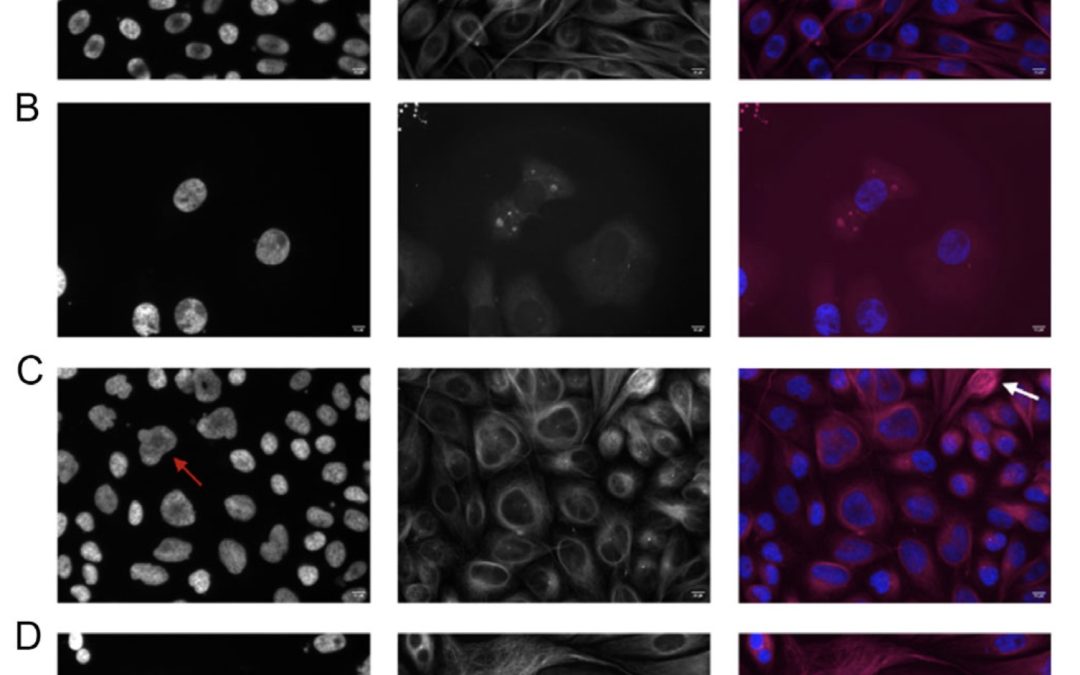
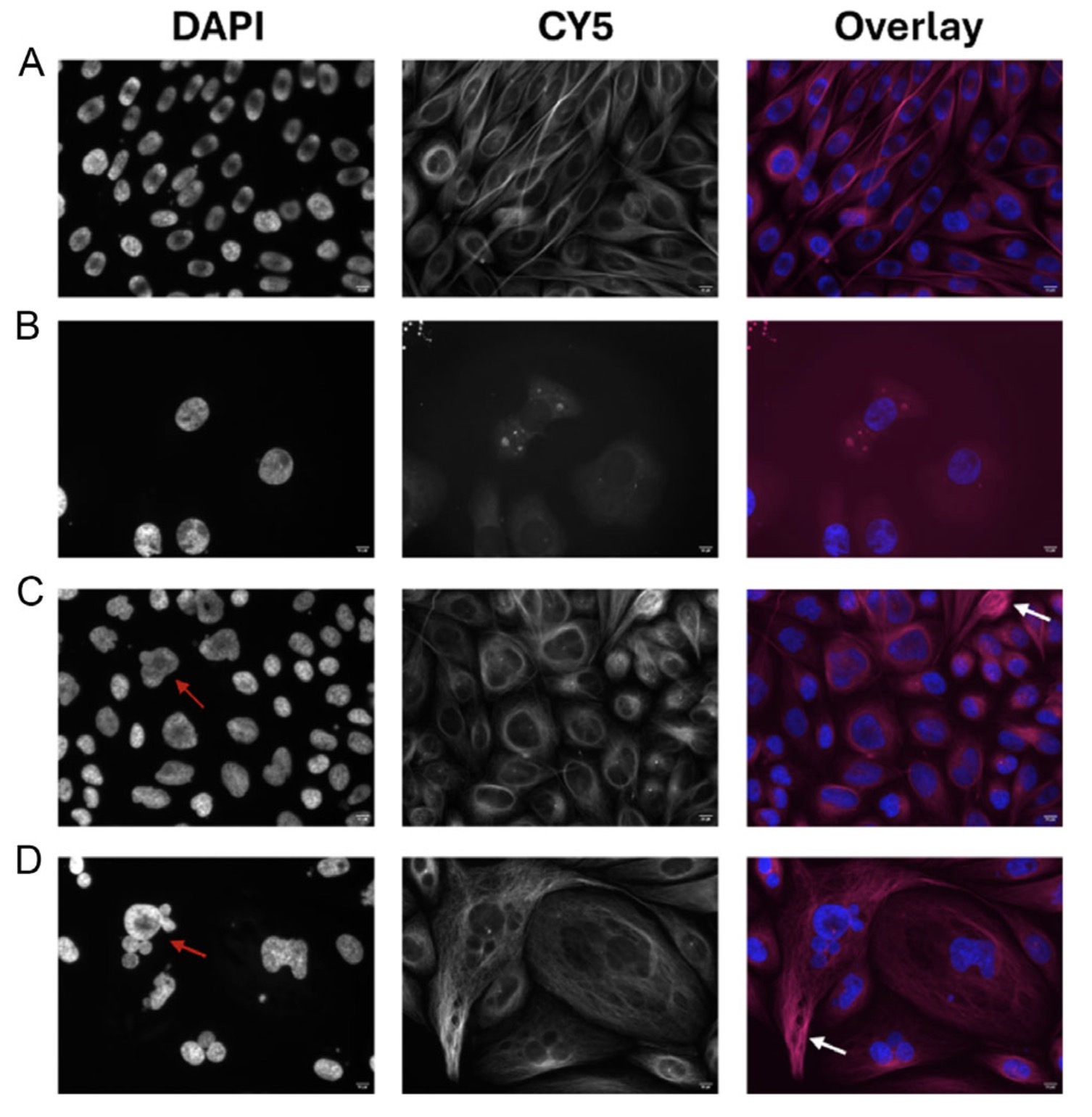
Dolastatins are a class of naturally occurring antimitotic peptides that have inspired the development of some of the most active and widely used anticancer agents. Here, we report on the development of synthetic methodologies for the preparation of parallel libraries of small peptides inspired by dolastatin 15 and itsanalogs cemadotin and tasidotin. The approaches rely on the use of either one or multiple Ugi-multicomponent reactions to generate amide N-substituted dolastatin-like skeletons, which allow the exploration of tertiary amide chemical spaces that have not been assessed previously. Evaluation of the anticancer activity in a variety of cancer cells showed that introducing a tertiary amide at the C-terminal fragment or by replacement of a proline residue does not lead to an increment in the anti-proliferative activity. The microtubule-disrupting capacity of the new dolastatin analogs was studied and compared with other potent antimitotic agents, thereby shedding light on mechanistic details of their anti-proliferative activity.

Viral Symmetries

Viral Symmetries

Viral Symmetries is a bioart exhibition that transforms the invisible world of viruses into a visual and sensory experience. The artworks are based on real structural data of viral capsids—nature’s geometric designs that allow viruses to persist and interact with their hosts.

Through colors, shapes, 3D visualizations, and original music, the exhibition highlights the beauty and complexity of viral symmetries, from icosahedrons to spirals, patterns deeply connected with both molecular biology and the ancient idea of “sacred geometry”.


The exhibition features five viruses that researchers at the Charité Institute of Virology frequently study in the laboratory, making it directly relevant to GLACIER’s mission of advancing interdisciplinary perspectives on health. Created by Dr. Jorge Arias, visiting scientist from Costa Rica, with mapping by Carlos Infante, Viral Symmetries invites us to look at viruses not only as agents of disease, but also as expressions of nature’s underlying harmony.

Currently on display at the Berlin Institute of Health.