




Integrating Taxonomic and Chemical Diversity of Mangrove-Associated Ascomycetes to Discover or Repurpose Bioactive Natural Products

Integrating Taxonomic and Chemical Diversity of Mangrove-Associated Ascomycetes to Discover or Repurpose Bioactive Natural Products

Natural product reisolation is a bottleneck when discovering new bioactive chemical entities from nature. To overcome this issue, multi-informative approaches integrating several layers of data have been applied with promising results. In this study, integration of taxonomy, nontargeted metabolomics, and bioactivity information resulted in the selection of Scytalidium sp. IQ-074 and Diaporthe sp. IQ-053 to isolate new natural products active against hPTP1B1–400 and repurpose others as antibiotics. Strain IQ-074 was selected based on the hypothesis that investigating poorly studied and highly metabolic taxa could lead to the isolation of new chemical entities. A chemical investigation of IQ-074 resulted in the isolation of papyracillic acid A (14), 7-deoxypapyracillic acid A (15a and 15b), and linear polyketides scytalpolyols A–D (16–19). Compound 17 inhibited hPTP1B1–400 with a half-maximal inhibitory concentration of 27.0 ± 1.7 μM. Diaporthe sp. IQ-053 was selected based on its antibacterial properties against pathogenic strains. Its chemical investigation yielded dothiorelones A (20) and I (21), cytosporones B (22) and C (23), pestalotiopsone B (24), and diaporthalasin (25). Compounds 22 and 25 inhibited the growth of Staphylococcus aureus and Staphylococcus epidermidis 42R and moderately inhibited the growth of Acinetobacter baumannii A564, a pandrug-resistant bacterium.
GLACIER PhD Student Successfully Defends Her Dissertation

GLACIER PhD Student Successfully Defends Her Dissertation

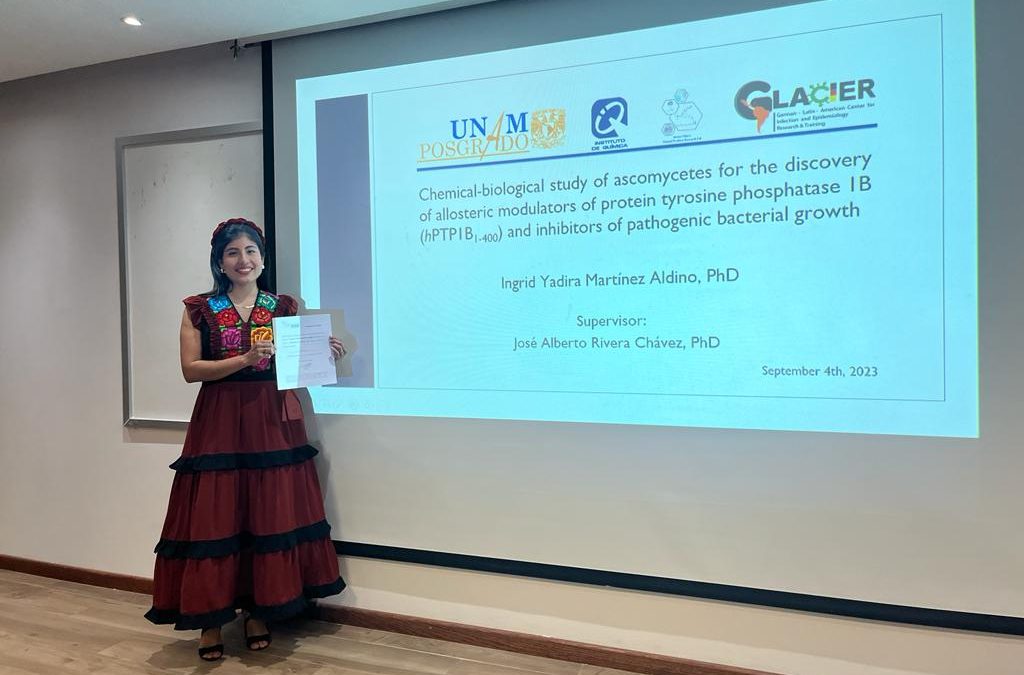
PhD Ingrid Yadira Martínez Aldino. © GLACIER

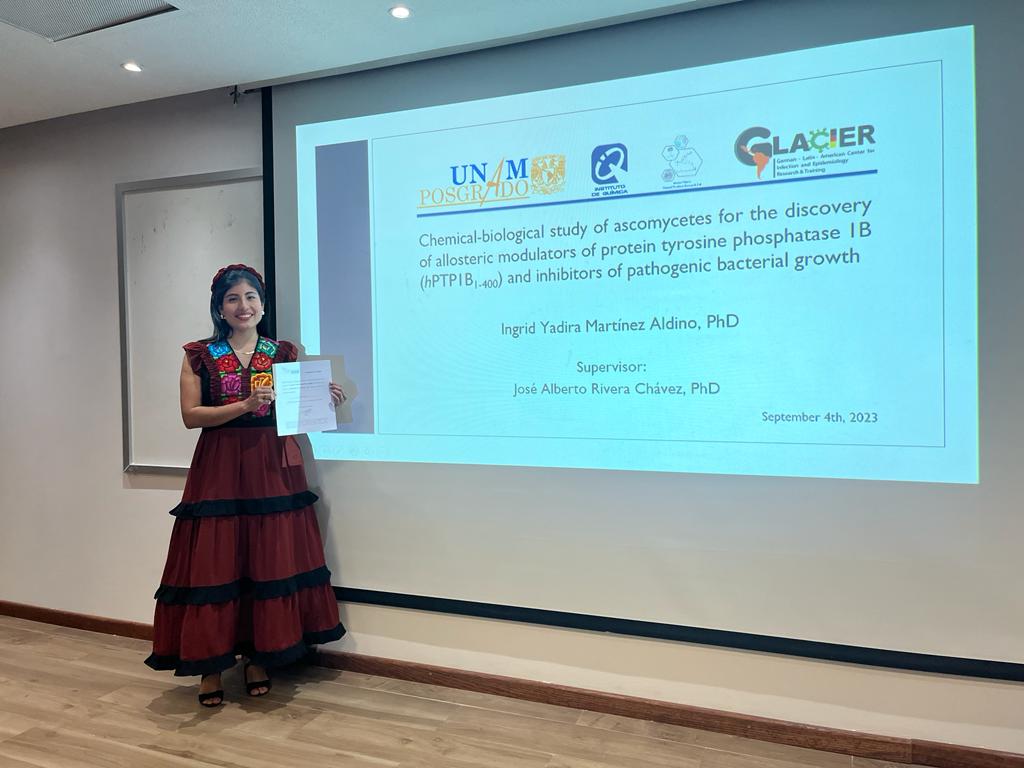
GLACIER PhD student Ingrid Yadira Martínez Aldino has successfully defended her dissertation “Chemical-biological study of ascomycetes for the discovery of allosteric modulators of protein tyrosine phosphatase 1B (hPTP1B 1-400) and inhibitors of pathogenic bacterial growth.”

Ingrid Yadira Martínez Aldino defends her PhD dissertation. © GLACIER

She carried out her research under the supervision of PhD José Alberto Rivera Chávez, member of the GLACIER consortium through the Institute of Chemistry of the National Autonomous University of Mexico (UNAM).

PhD Ingrid Yadira Martínez Aldino and her supervisor, PhD José Alberto Rivera Chávez. © GLACIER

You can read the paper “Absolute configuration and protein tyrosine phosphatase 1B inhibitory activity of xanthoepocin, a dimeric naphtopyrone from Penicillium sp. IQ-429” product of Martínez’s research here:

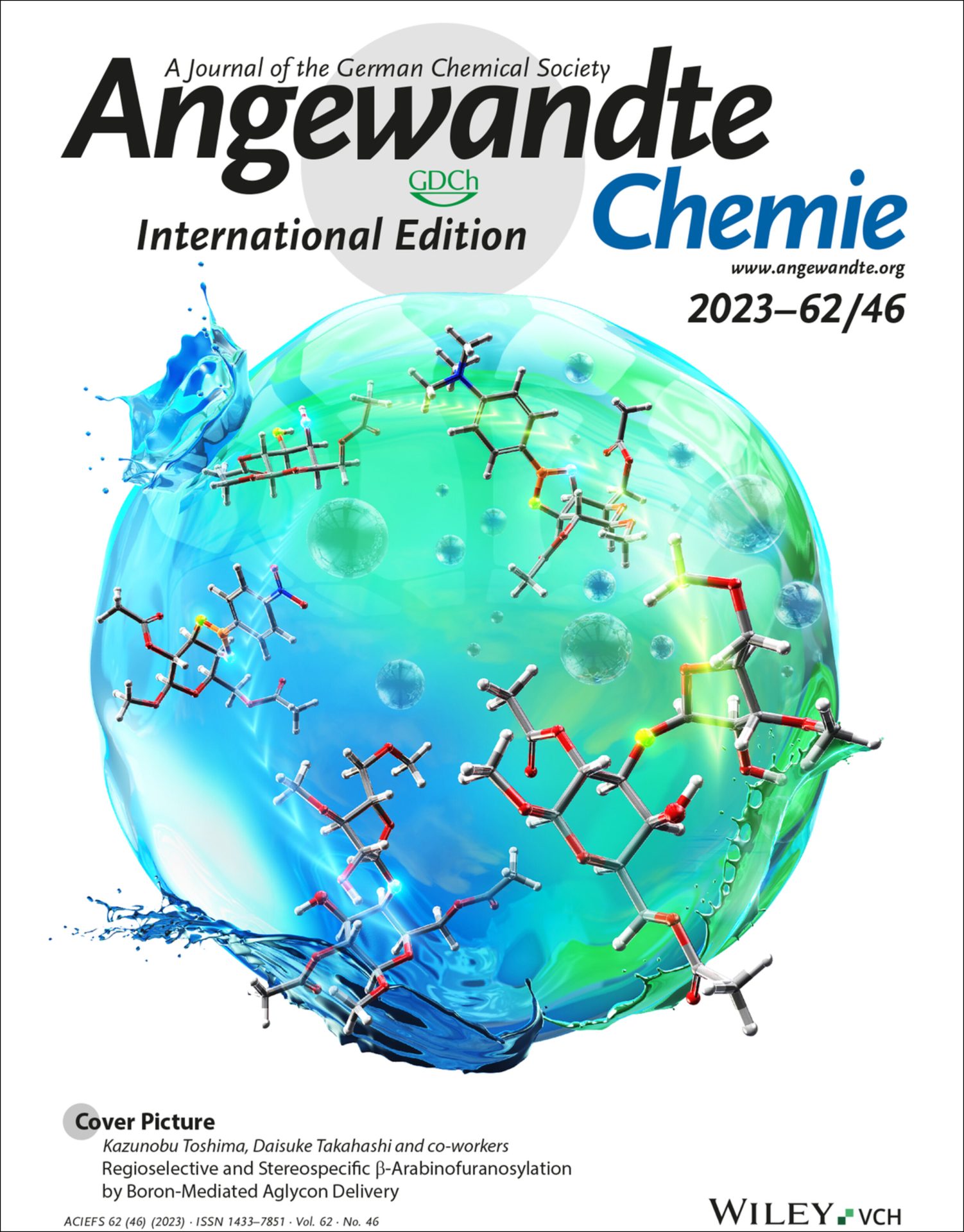
Diversification of a Novel α-Galactosyl Ceramide Hotspot Boosts the Adjuvant Properties in Parenteral and Mucosal Vaccines

Diversification of a Novel α-Galactosyl Ceramide Hotspot Boosts the Adjuvant Properties in Parenteral and Mucosal Vaccines

The development of potent adjuvants is an important step for improving the performance of subunit vaccines. CD1d agonists, such as the prototypical α-galactosyl ceramide (α-GalCer), are of special interest due to their ability to activate iNKT cells and trigger rapid dendritic cell maturation and B-cell activation. Here, we introduce a novel derivatization hotspot at the α-GalCer skeleton, namely the N-substituent at the amide bond. The multicomponent diversification of this previously unexplored glycolipid chemotype space permitted the introduction of a variety of extra functionalities that can either potentiate the adjuvant properties or serve as handles for further conjugation to antigens toward the development of self-adjuvanting vaccines. This strategy led to the discovery of compounds eliciting enhanced antigen-specific T cell stimulation and a higher antibody response when delivered either by parenteral or mucosal route, compared to a known potent CD1d agonist. Notably, various functionalized α-GalCer analogs showed a more potent adjuvant effect after intranasal immunization than a PEGylated α-GalCer analog previously optimized for this purpose. Ultimately, this work could open multiple avenues of opportunity for the use of mucosal vaccines against microbial infections.

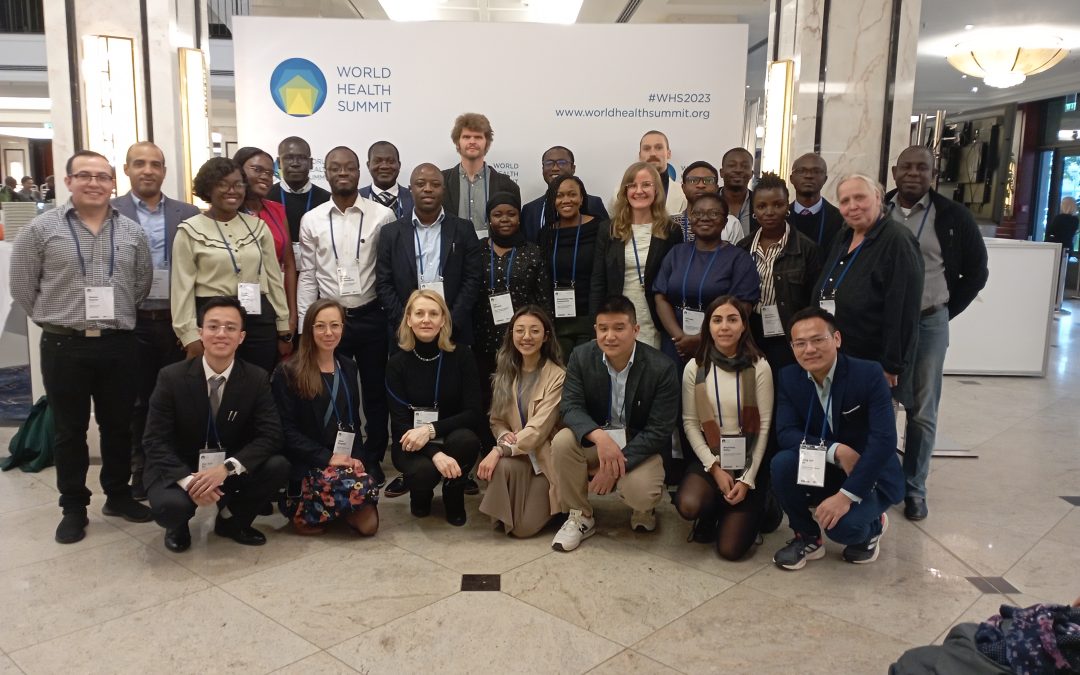
WHS PhD Retreat in Berlin

WHS PhD Retreat in Berlin

© GLACIER

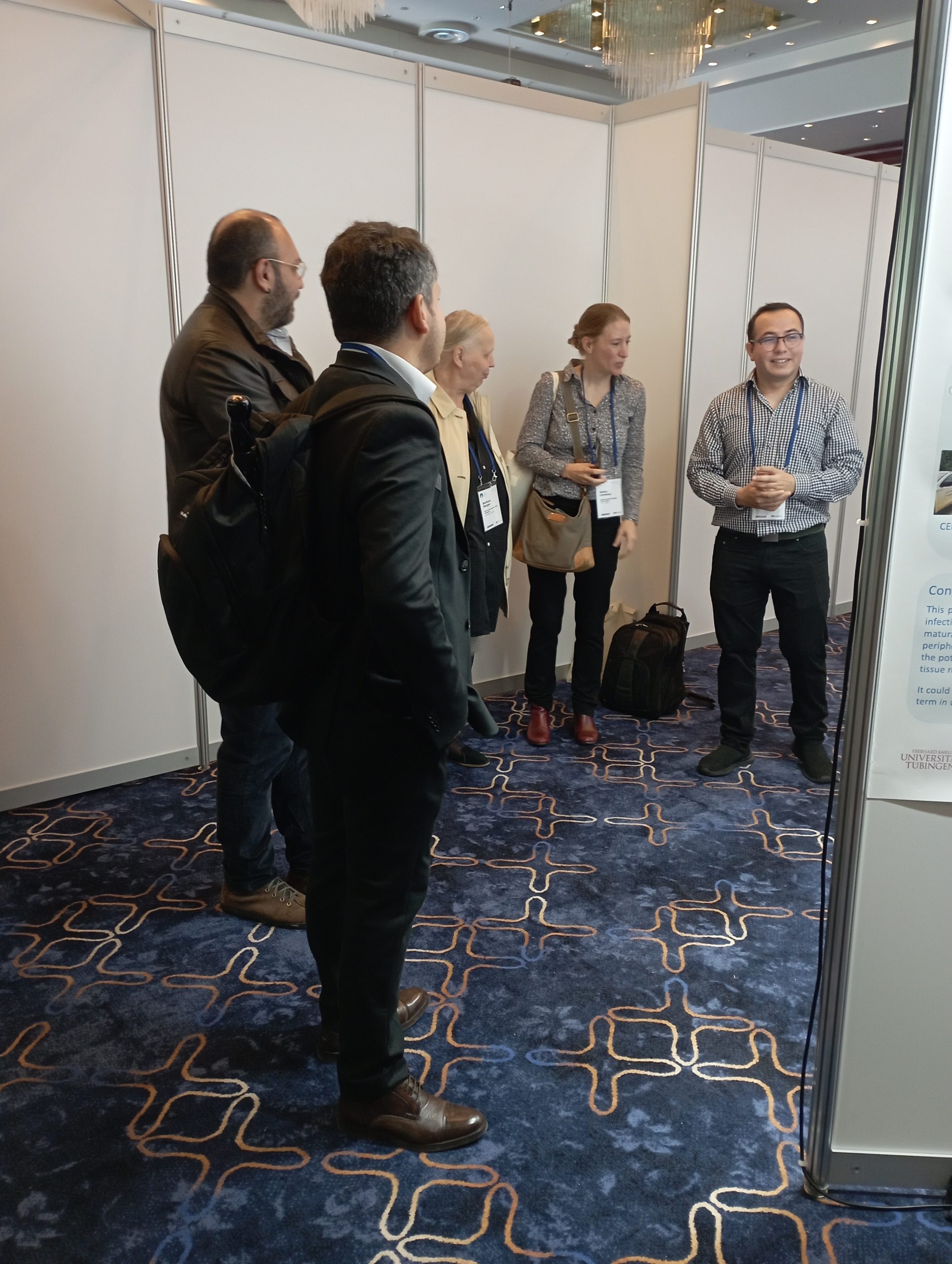
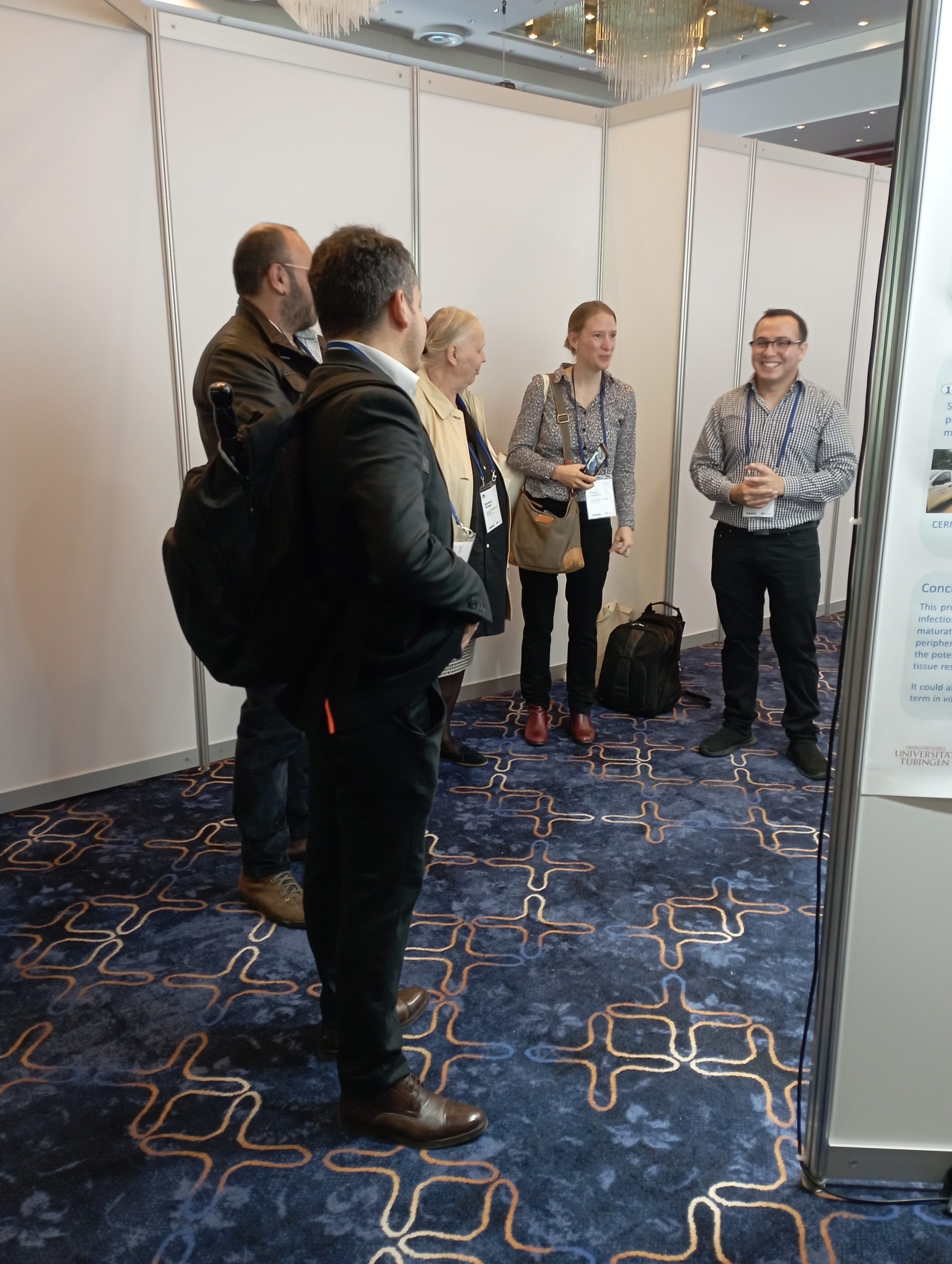
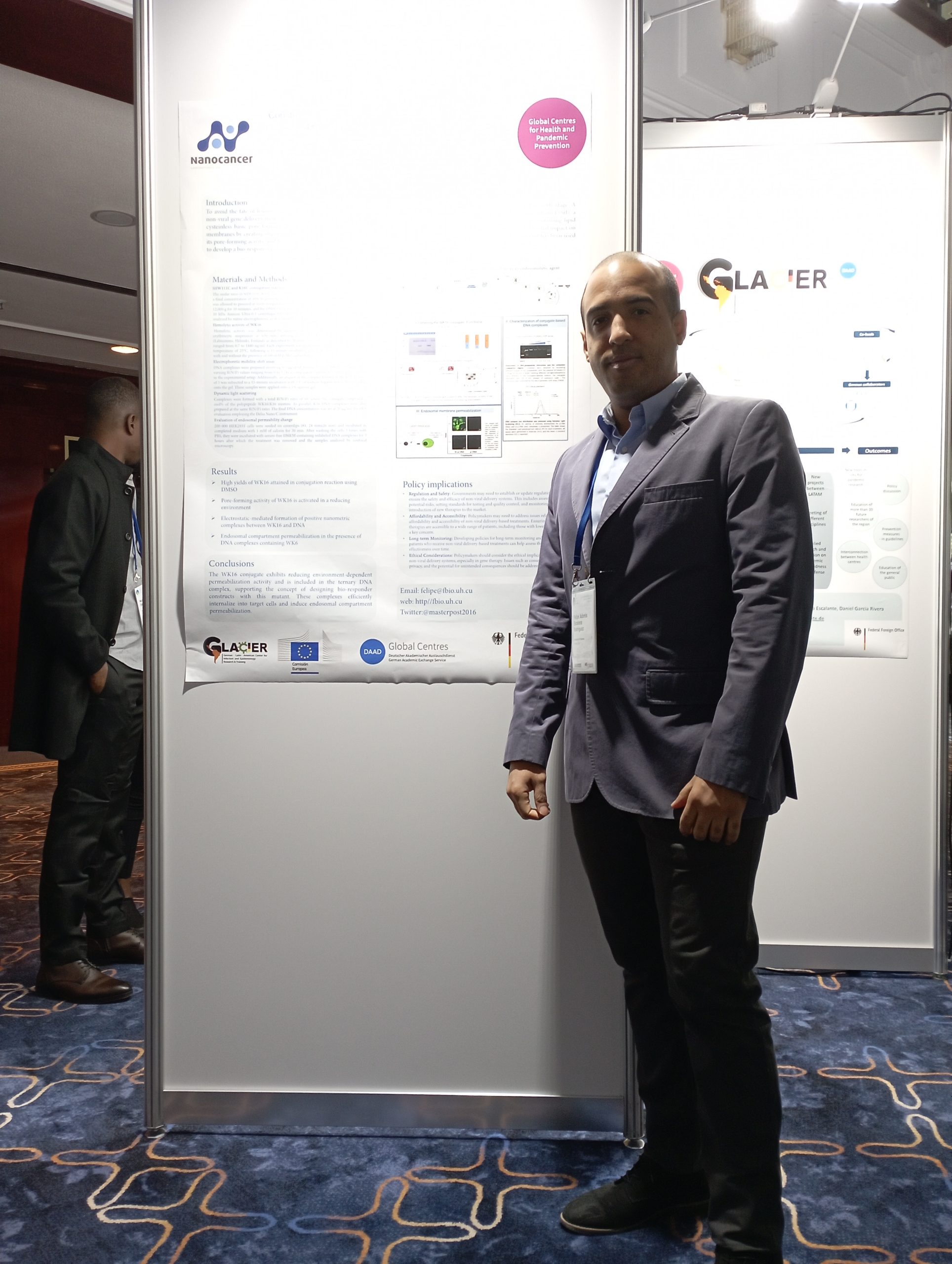
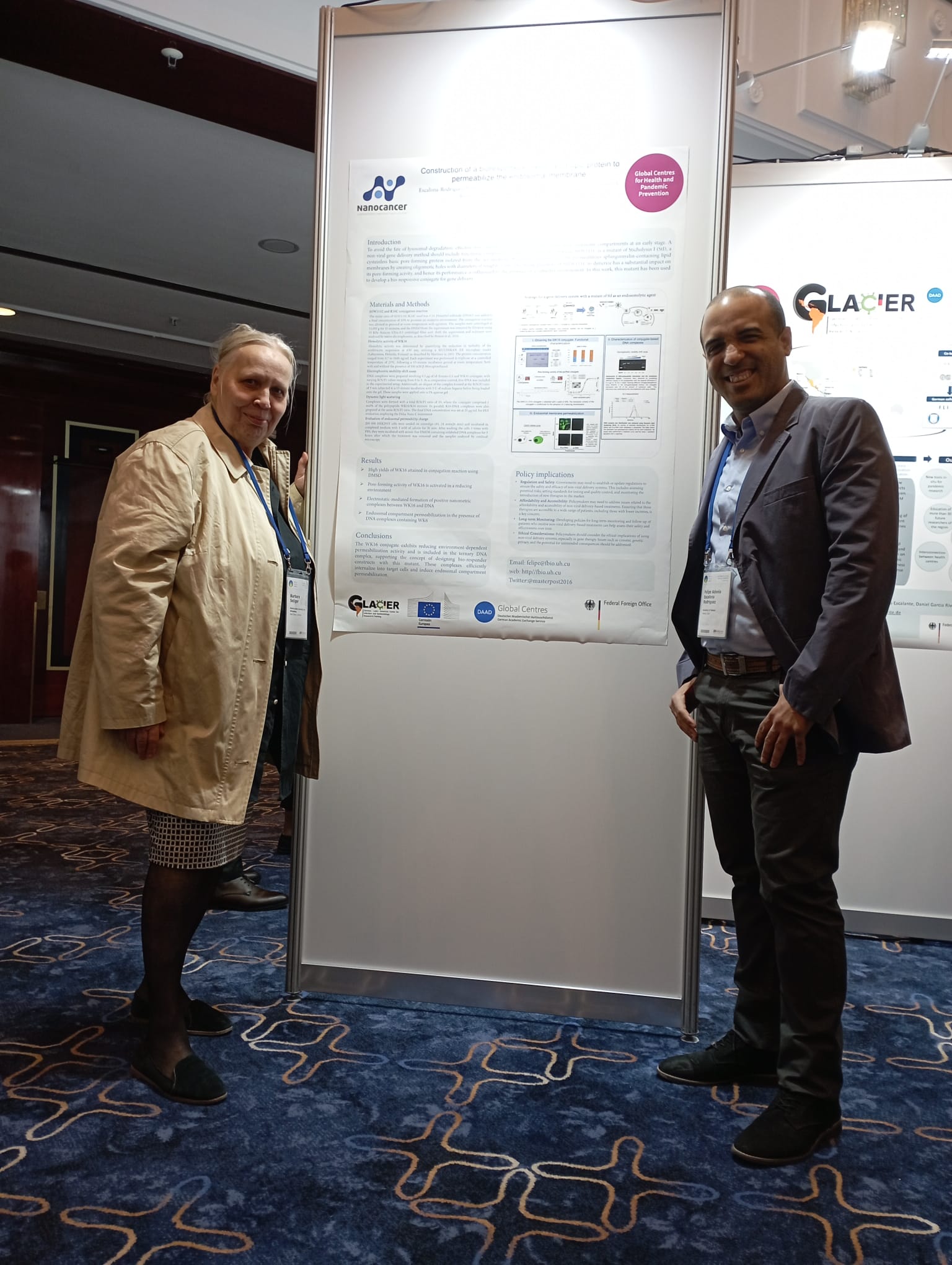
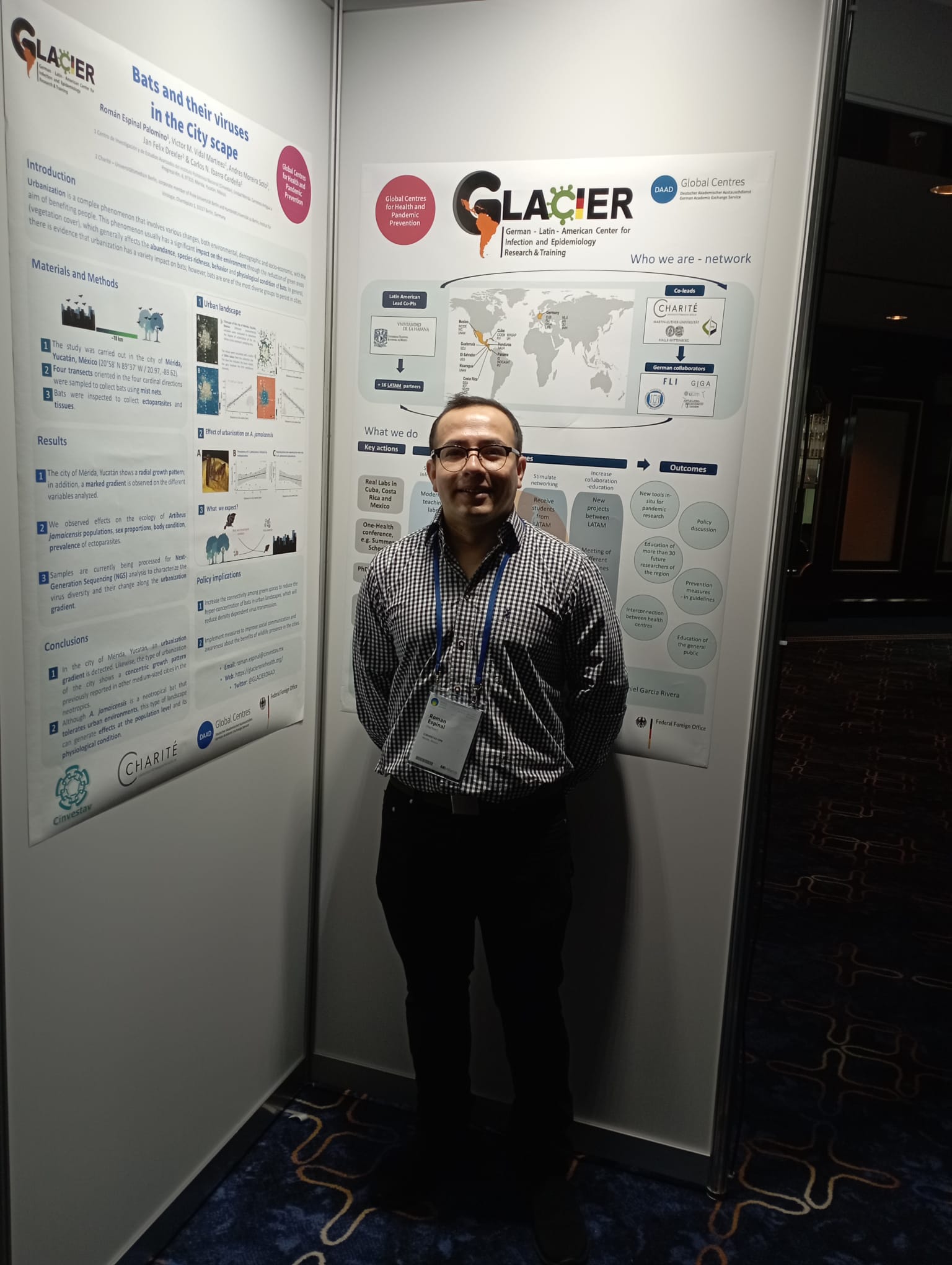
GLACIER, together with the other three DAAD Global Health Centres, carried out a PhD retreat in Berlin that included a poster presentation session at the World Health Summit 2023.

Our grantees had the unique opportunity to present their work and their consortia to stakeholders and policymakers during the conference.