



Bats as “Reservoirs of Pathogens”: Unveiling their Role as Hosts in Viral and Bacterial Infections

Bats as “Reservoirs of Pathogens”: Unveiling their Role as Hosts in Viral and Bacterial Infections

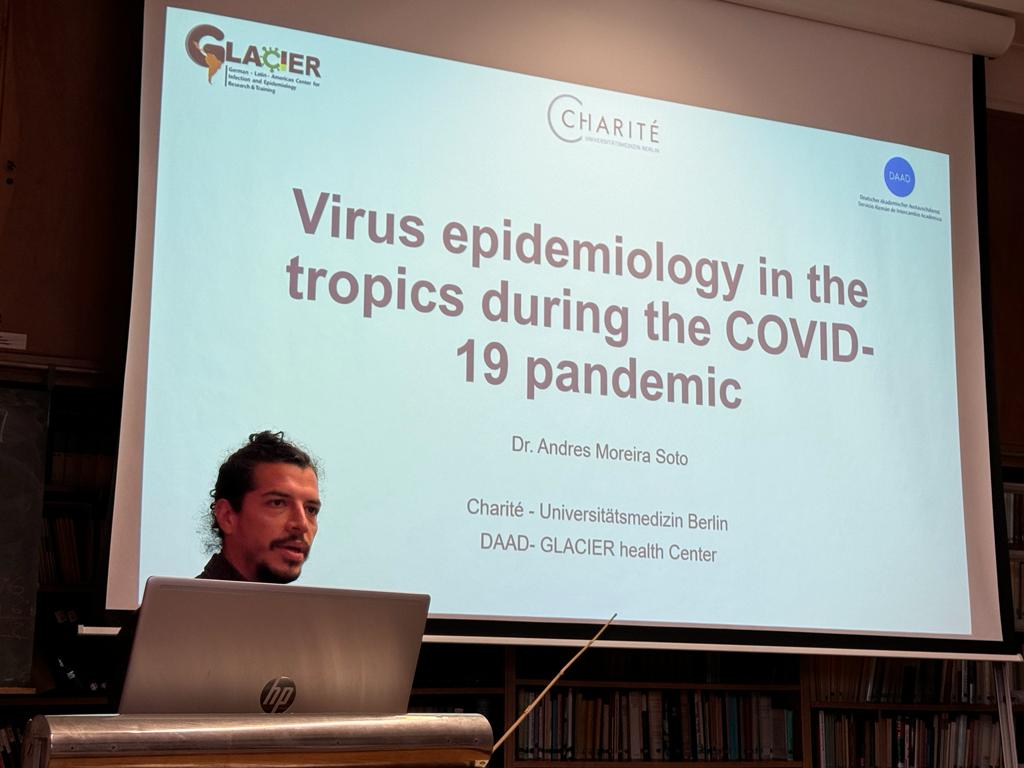
Dr. Andrés Moreira Soto, research fellow at the Charité University hospital in Berlin, associate of the University of Costa Rica and the National University of Costa Rica-and one of GLACIER’s Principal Investigators-was invited to deliver an expert lecture at the University of Glasgow, UK on the role of bats as pathogen reservoirs.

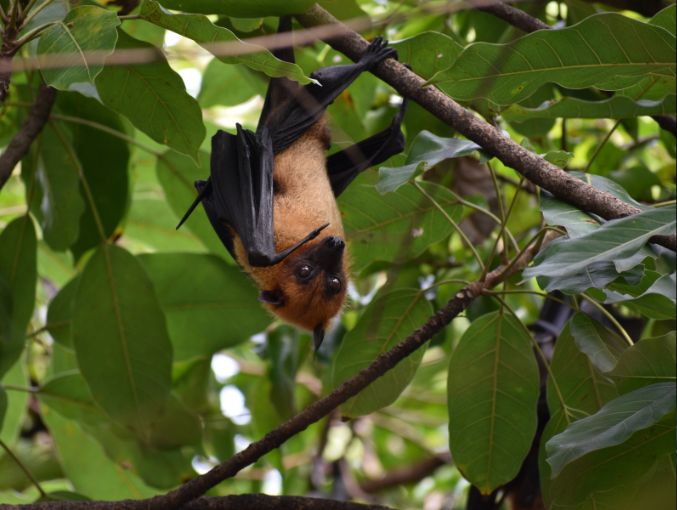
Bat photo

Bats are known to be transporters of different viral and bacterial infections. The web-based online lecture addresses recent explorations of situations where bats could possibly play a significant part in the transmission pattern of infections caused by microorganisms such as the Zika virus and coronaviruses, and bacteria like brucellosis,  among others.

Dr. Moreira Soto inspected the molecular mechanisms of emergence and the potential public health problems that might arise.

Overall, the lecture sought to examine the complicated connections between microbes, bats, people, and emerging infectious diseases, providing a space to discuss disease emergence dynamics.

Passcode: uU*Fp0+^
Workshop on the Harmonization and Standardization of Protocols for Molecular Diagnostics and Serological Analysis of Viral Hepatitis E

Workshop on the Harmonization and Standardization of Protocols for Molecular Diagnostics and Serological Analysis of Viral Hepatitis E

© PACE-UP/Dr. Velavan

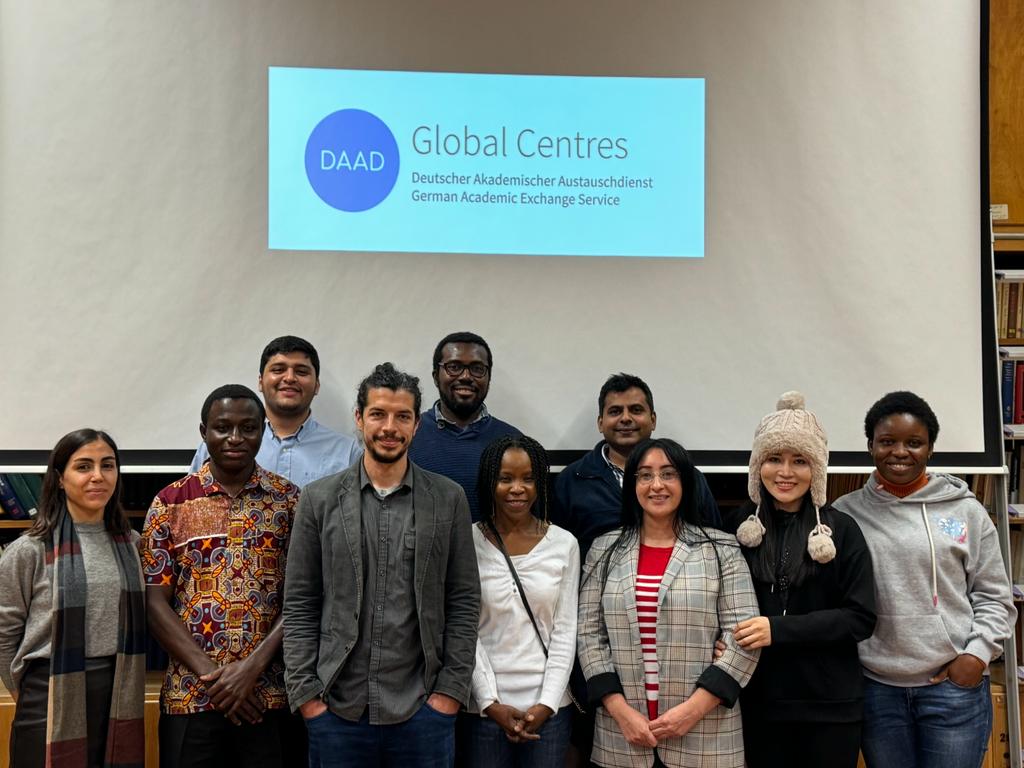
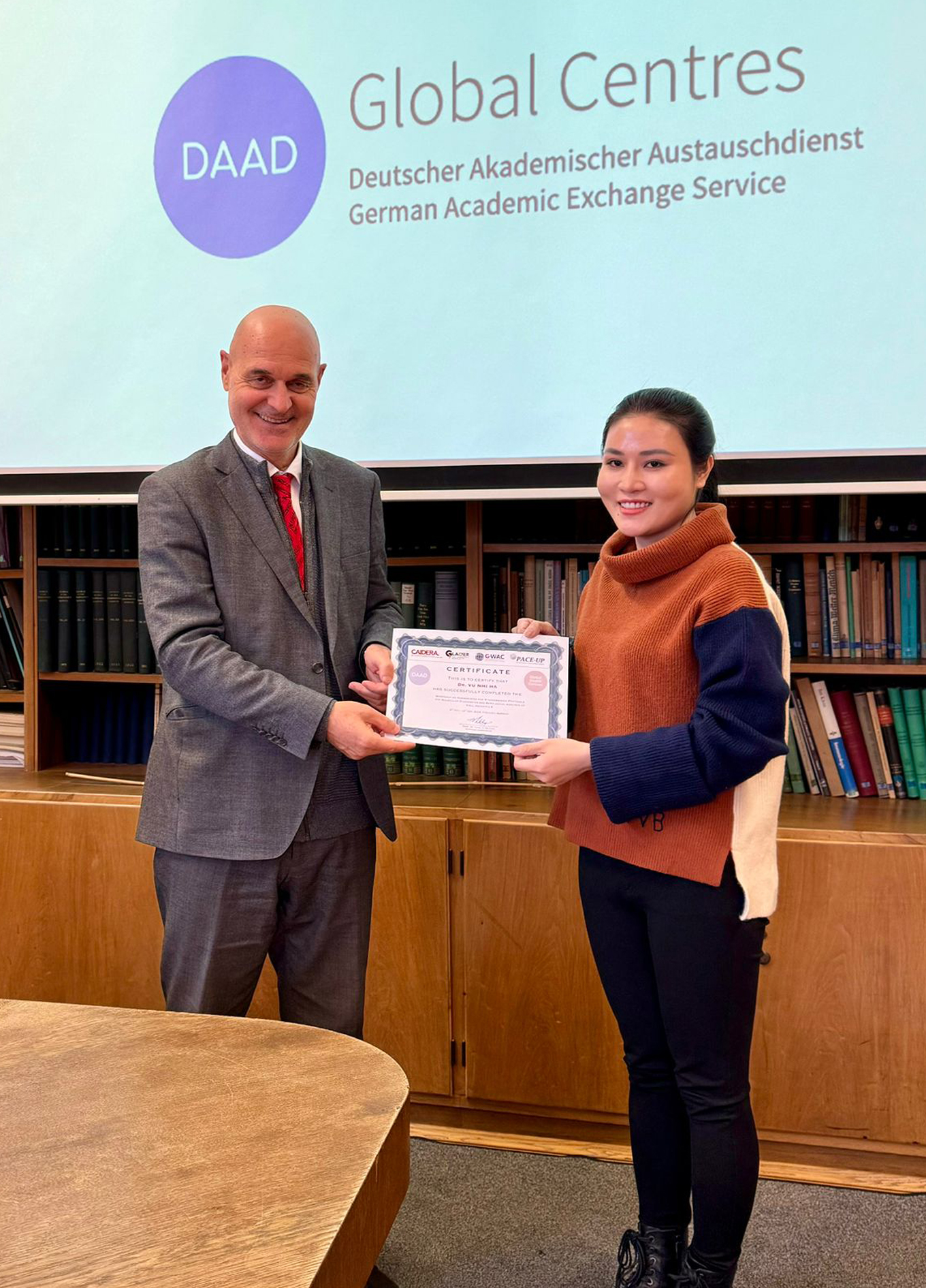
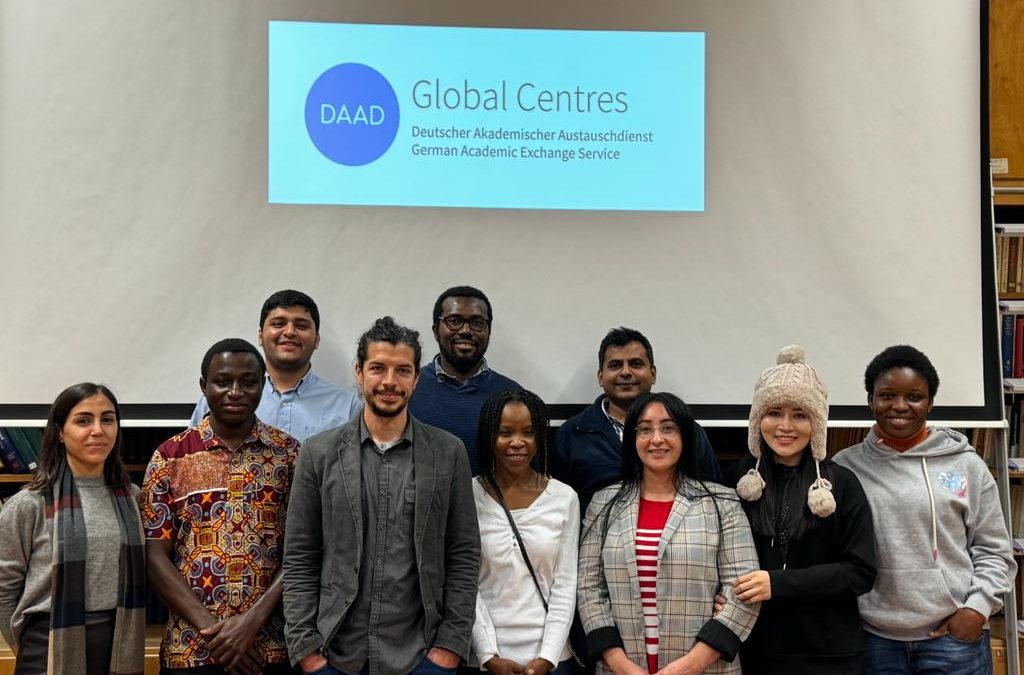
From October to November 2023, a theoretical and practical eight-week workshop on the harmonization and standardization of protocols for molecular diagnostics and serological analysis of Hepatitis E Virus (HEV) was organised by DAAD Global Health Centre PACE-UP with the support of GLACIER. Full scholarships were granted to one participant from each of the four DAAD global health centres (G-WAC, CAIDERA, GLACIER and PACE-UP).

The workshop was carried out at the Institute of Tropical Medicine of the Eberhard Karls University of Tübingen, Germany, under the direction of Dr. Thirumalaisamy P. Velavan.

© PACE-UP | Dr. T. Velavan

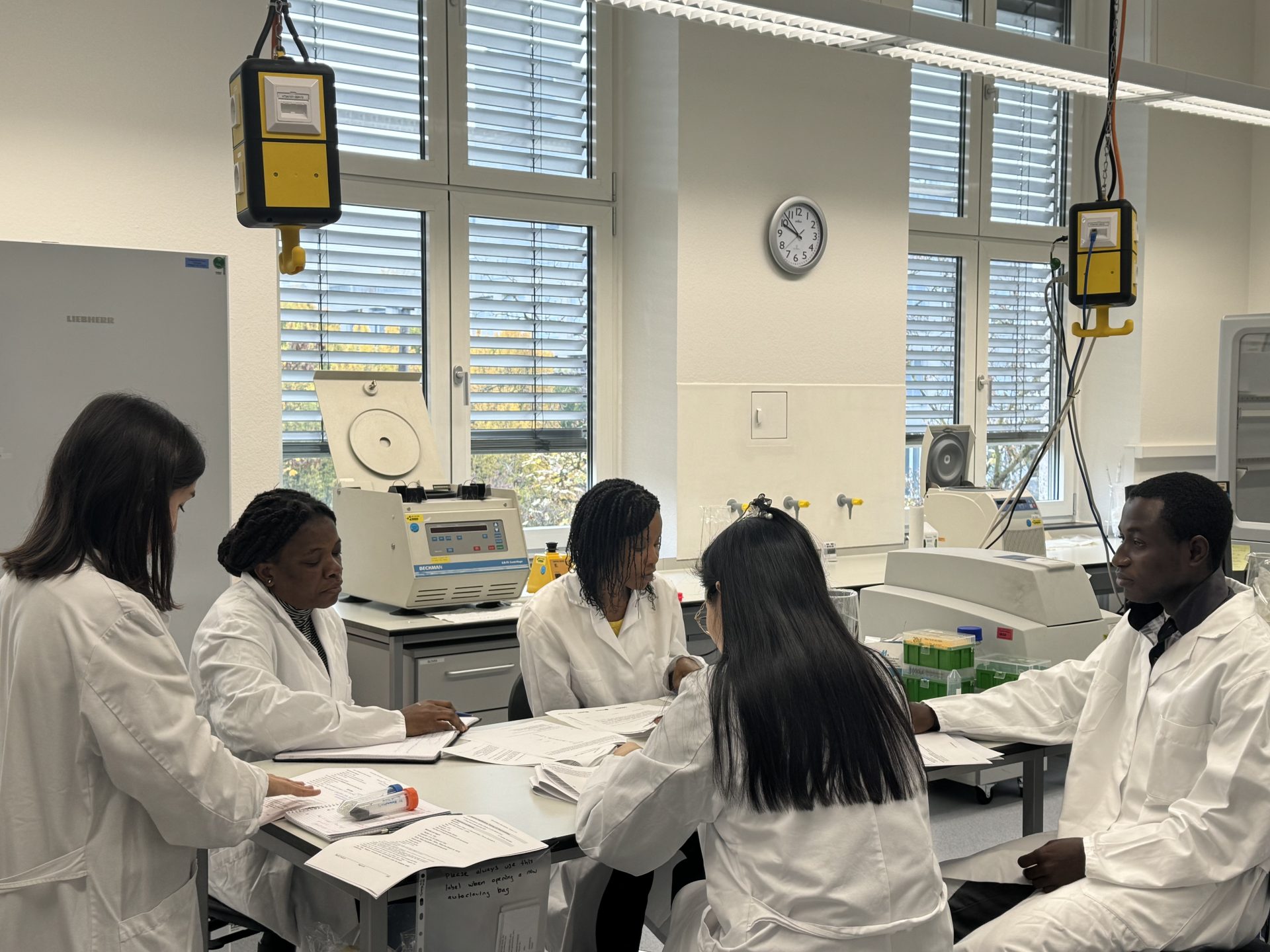
The intensive workshop on Hepatitis E Virus genomic and phylogenetic analyses was a ground-breaking training event for the students from all four centres. Emphasizing practical, hands-on experience, the workshop provided a comprehensive understanding of HEV genetics and its evolutionary relationships within the Hepeviridae family. As a field example, students engaged in a critical task: identifying an HEV sequence from an animal sample. This process involved meticulously cleaning the sequence to ensure accuracy and reliability.

© PACE-UP | Dr. T. Velavan

Following this, students downloaded reference sequences from the Hepeviridae family to construct a detailed phylogenetic tree. This tree served as a visual representation of the evolutionary pathways and connections between various HEV strains. This exercise not only reinforced their understanding of HEV genomic structure but also highlighted the virus’s diversity and evolutionary dynamics, and gave the students the tools for the reconstruction of HEV evolutionary history in their own set of samples.

© PACE-UP | Dr. T. Velavan

© PACE-UP | Dr. T. Velavan

Ongoing collaborations between the participants have emerged from this workshop, with potential for carrying out diverse studies in the future. Our GLACIER trainee Juan Diego Oliva in collaboration with Dr. Andrés Moreira-Soto is currently working on preparing a report / update of existing studies for the four participanting countries.

We are very happy to have been part of this enriching collaboration between the DAAD Global Health Centres, and to see the trainees successfully develop and improve their skills and knowledge. We feel thankful for the opportunity to continue developing further academic and professional relations between Germany and Latin America and we look forward to all upcoming activities!

2023 One Health International Symposium

2023 One Health International Symposium

© GLACIER

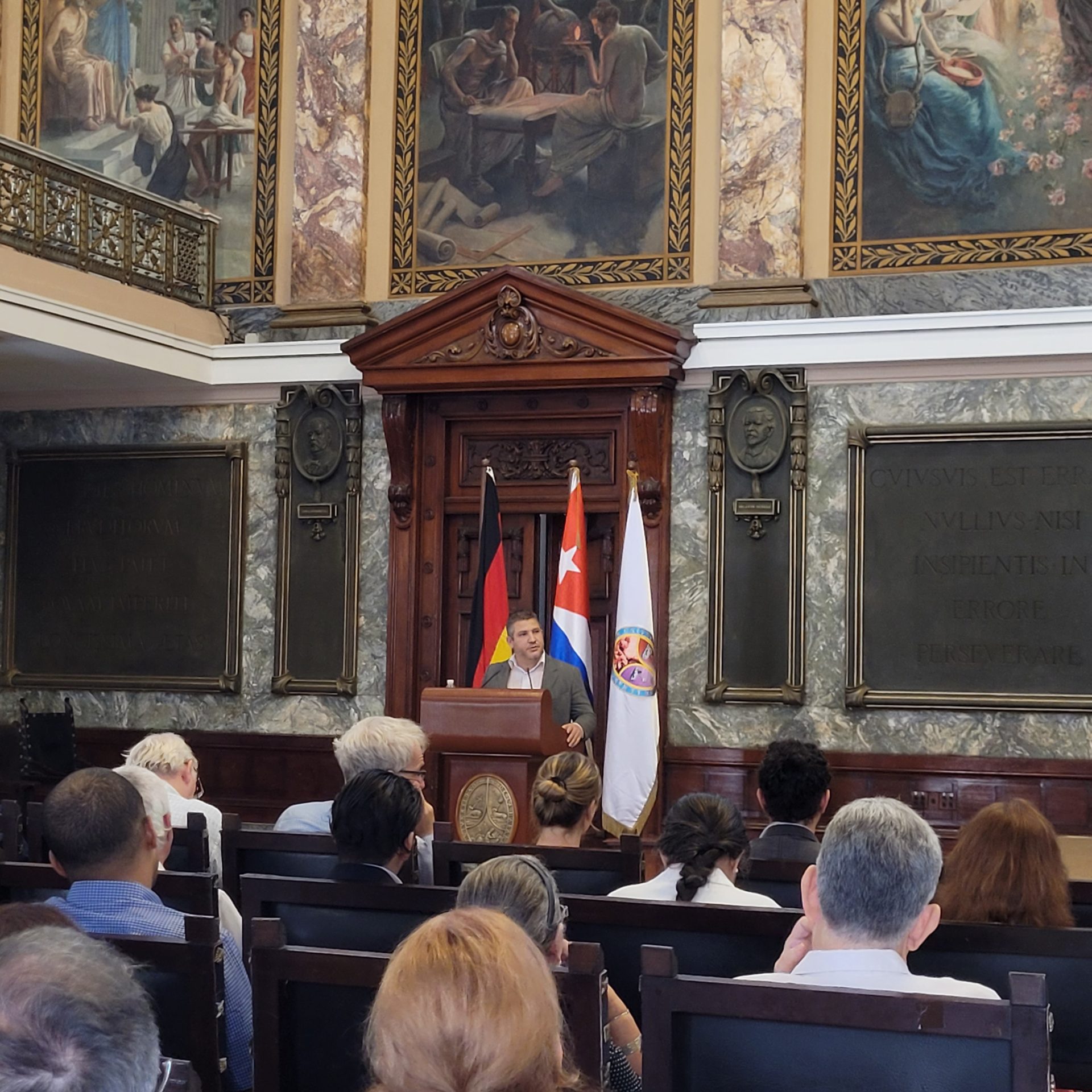
In 27-30 November 2023 we had our yearly one health international symposium. The event was quite successful, with enlightening presentations from experts in virology, vaccine development, disease history and ecology, immunology, transdisciplinary research on vulnerability to disease outbreaks and epidemics, and many more.

© GLACIER

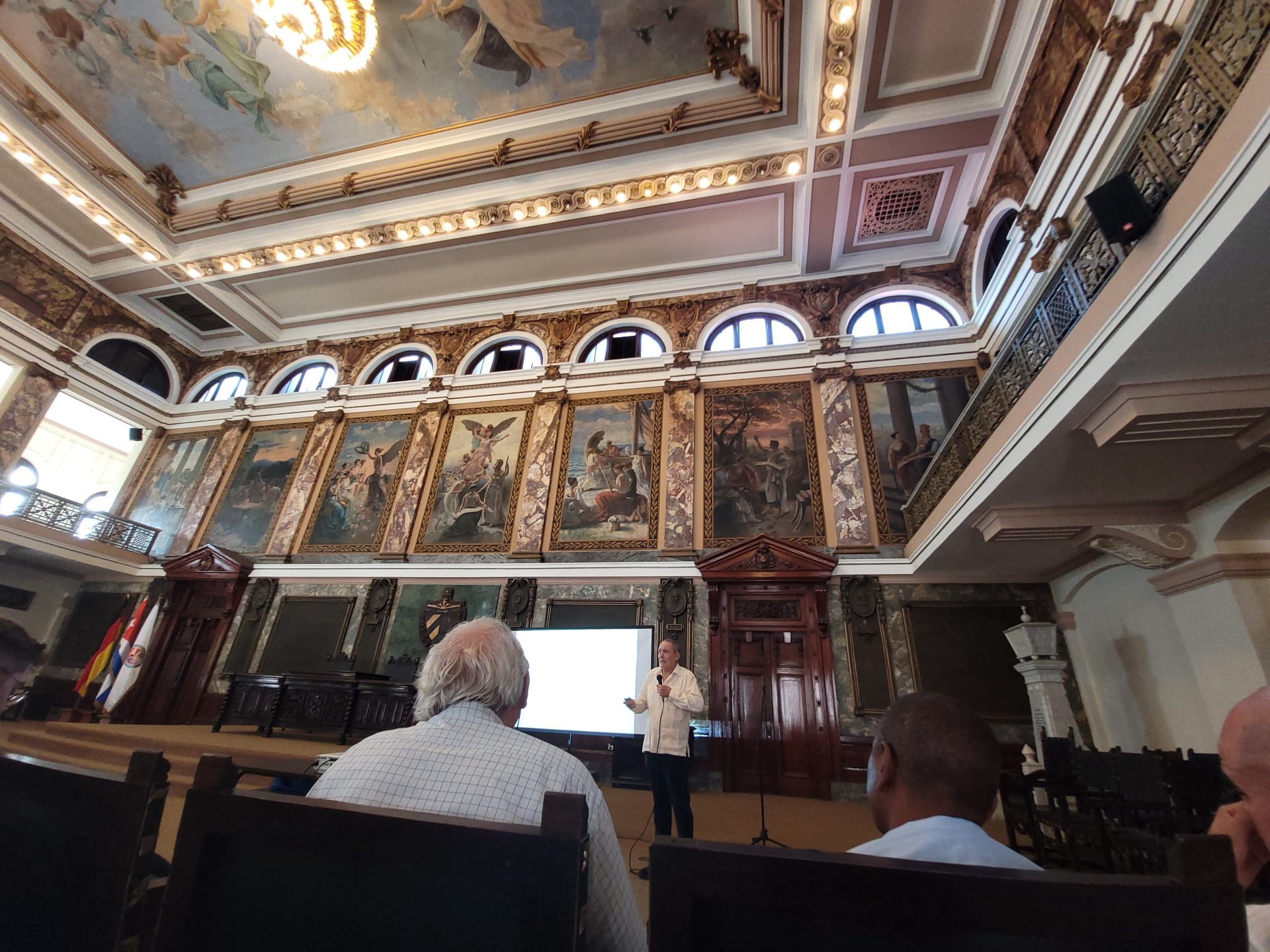
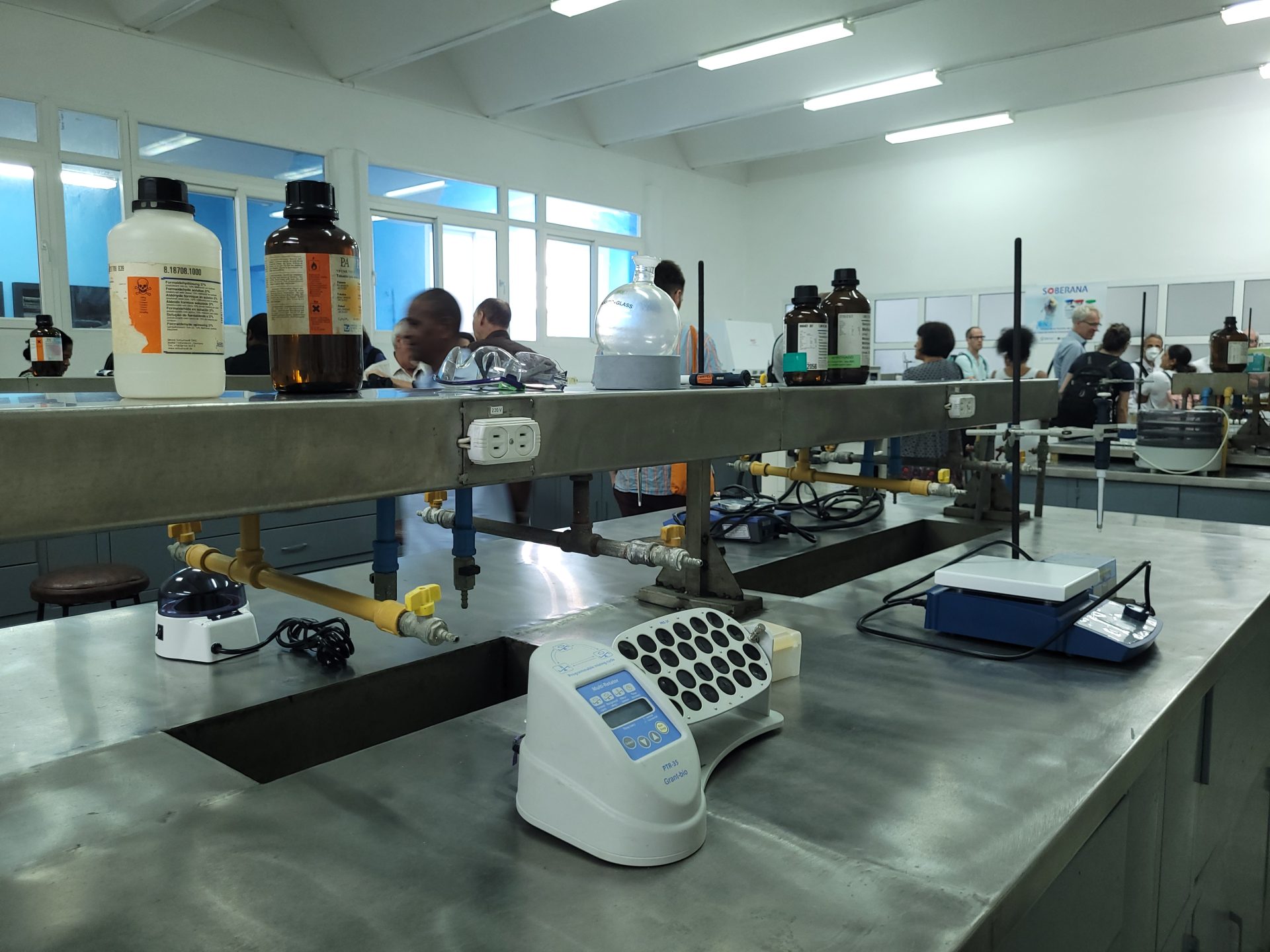
The inauguration took place on 27 November at the beautiful Aula Magna of the University of Havana, with the attendance of the German ambassador, DAAD representatives, the rector of the University of Havana, GLACIER’s Principal Investigators and many renowned scientists and researchers. Afterwards, Cuba’s GLACIER Real Lab was officially inaugurated.

© GLACIER

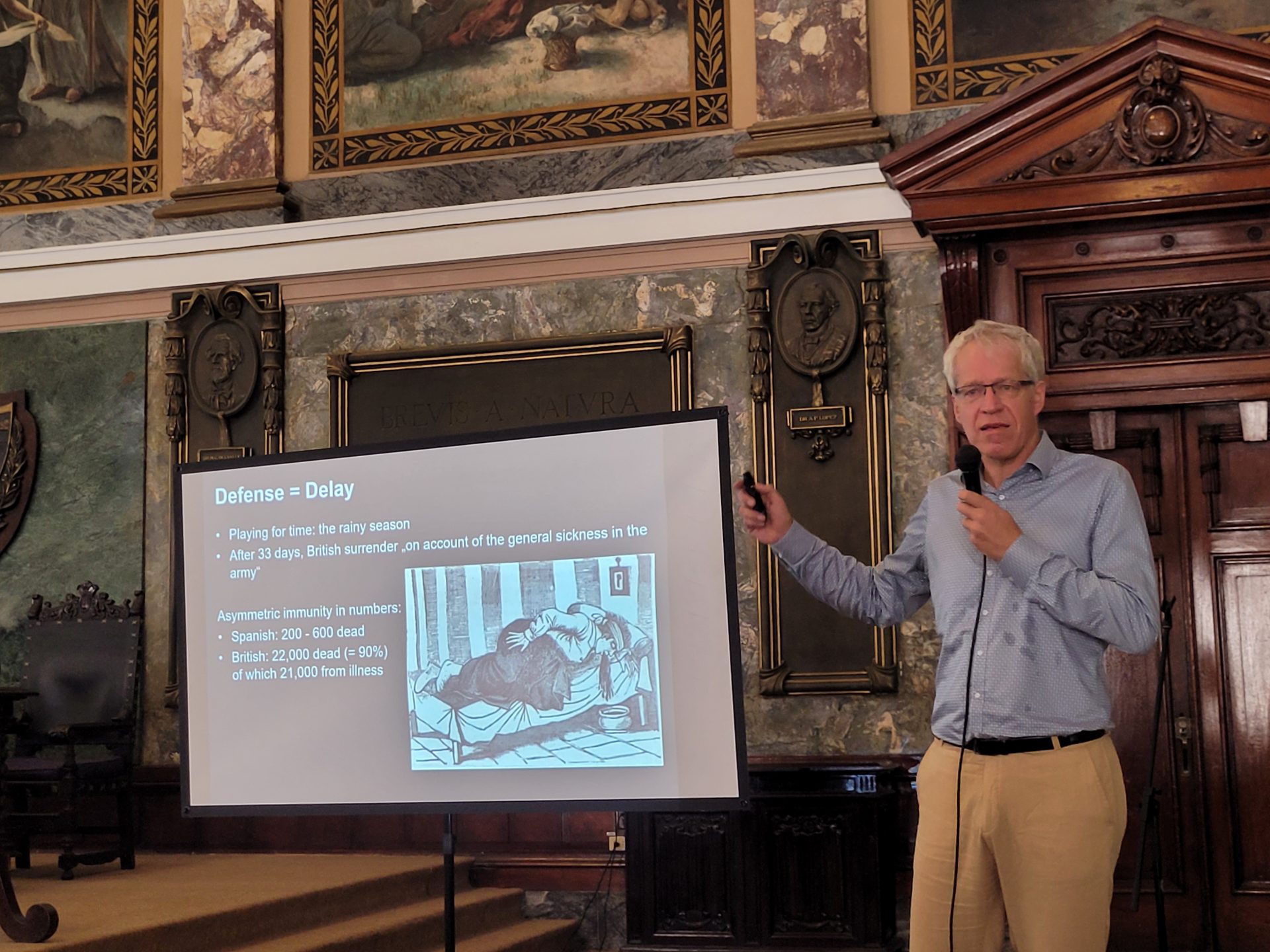
From 27 to 29 November we presented a series of keynote lectures delivered by 17 speakers from 7 different countries, as well as three round tables and several presentations by GLACIER PhD students. We had the privilege of listening to distinguished figures such as Barbara Seliger, Vicente Vérez Bencomo, Ludger Wessjohann, Bert Hoffman, Sonia Resik, Enrique Beldarraín Chaple, Dianelys Quiñones Pérez, Bruno de Geest and Andrés Moreira Soto.

© GLACIER

© GLACIER | Nikté Licona

On 30 November, a one-day theoretical and experimental workshop for students was carried out, on the topic of “Chemical and Biological Methods in Antimicrobial Drug Discovery.” The workshop was taught by professors Dr. William L. Scott from Indiana University – Purdue University Indianapolis School of Science, USA; Dr. José Rivera Chávez from the National Autonomous University of Mexico, Mexico; and Dr. Gerardo M. Ojeda Carralero, from University of Havana, Cuba.

© GLACIER

We would like to thank everyone for their participation and their efforts to make this international exchange a reality. We hope to see you again next year in Halle, Germany!

GLACIER lead investigator Dr. Barbara Seliger visits Vietnam

GLACIER lead investigator Dr. Barbara Seliger visits Vietnam

© PACE-UP/Dr. Velavan

To close 2023, in December 11-13 GLACIER was present in Hanoi, Vietnam, to further collaborations and increase the international dissemination of our work.

The 10th anniversary of the Institute for Clinical Infectious Diseases and the 5th anniversary of DAAD Global Health Centre VG-CARE (Vietnamese-German Centre for Medical Research) in Hanoi, Vietnam. The celebratory event was organized by VG-CARE and the 108 Military Central Hospital (108-MCH).

To mark the occasion, a one-day symposium on “Infectious and Tropical Diseases” was organized. Dr. Barbara Seliger—GLACIER Principal Investigator and immunology expert—was invited as a speaker and delivered a presentation of the GLACIER project in Hanoi.

She also had the opportunity to deepen the relatioship with PACE-UP members and potential external partners to initiate further collaborations.

The audience, among which were 6 delegates from Germany, appreciated the project’s contributions and decided to work more closely together with GLACIER. A collaboration with Dr. Velavan, head of the PACE-UP centre, was started last year and the resulting paper (on cytokines) will be the basis for further collaboration with GLACIER. There will also be student exchanges between the centres.

Call for Presentations and Sessions – DAAD Global Centres Conferences 2024

Call for Presentations and Sessions – DAAD Global Centres Conferences 2024

In 10-12 September 2024 the Mid-Term Conferences of the DAAD Global Centres take place in Berlin (Tagungswerk, Lindenstraße 85, 10969 Berlin).

1. Conference of the Centres for Climate and Environment: “Imaginaries of Climate Futures – Cross Regional Insights to get from Knowledge to Action” and

2. Conference of the Centres for Health and Pandemic Prevention: “Global Actions for Sustainable Health for People and Planet”

The German Academic Exchange Service (DAAD) invites academics and research-active practitioners from DAAD-funded Global Centres and their Partner Networks, as well as from other DAAD-funded projects working in the field of Climate and Environment or Health and Pandemic Prevention to take part in the scientific networking conference by taking part in the call for presentations and sessions.

The aim of the conferences is fostering the networks of the Centres and similar initiatives, and to offer a global, interdisciplinary exchange of knowledge in the two subject areas of Global Health/Pandemic Prevention and Climate/Environment.

This provides an opportunity for senior scientists, researchers, and young investigators and PhD students from different projects to present ongoing and/or planned research projects and/or their findings to a wider global audience.

(Text extracted from the original DAAD article).

Read more about the call here.