Overview
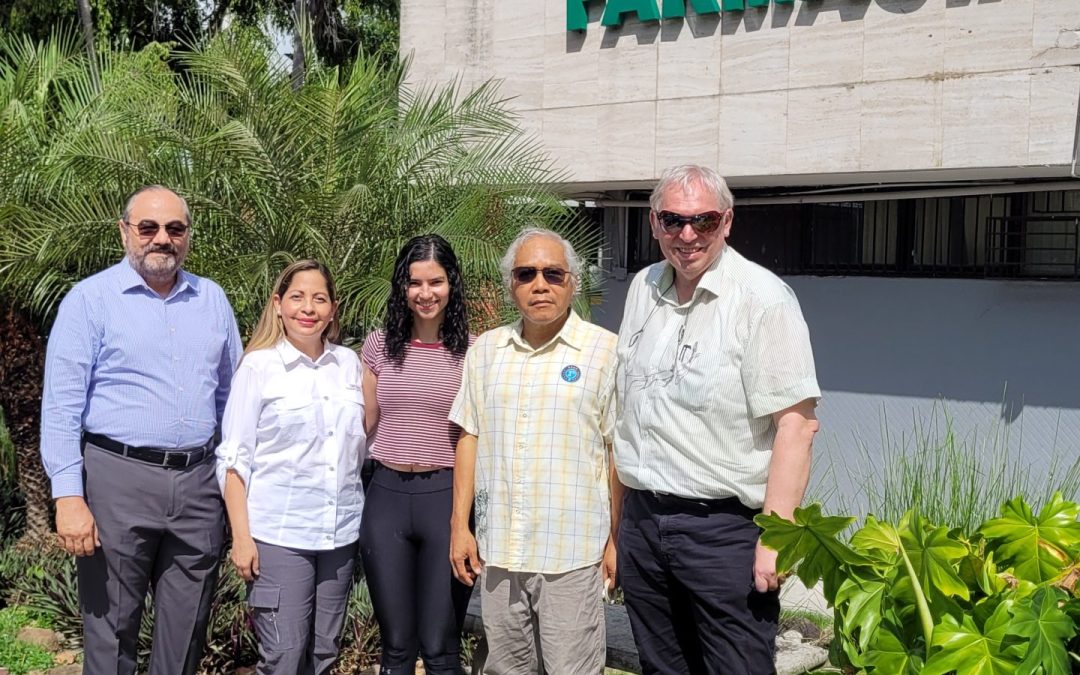
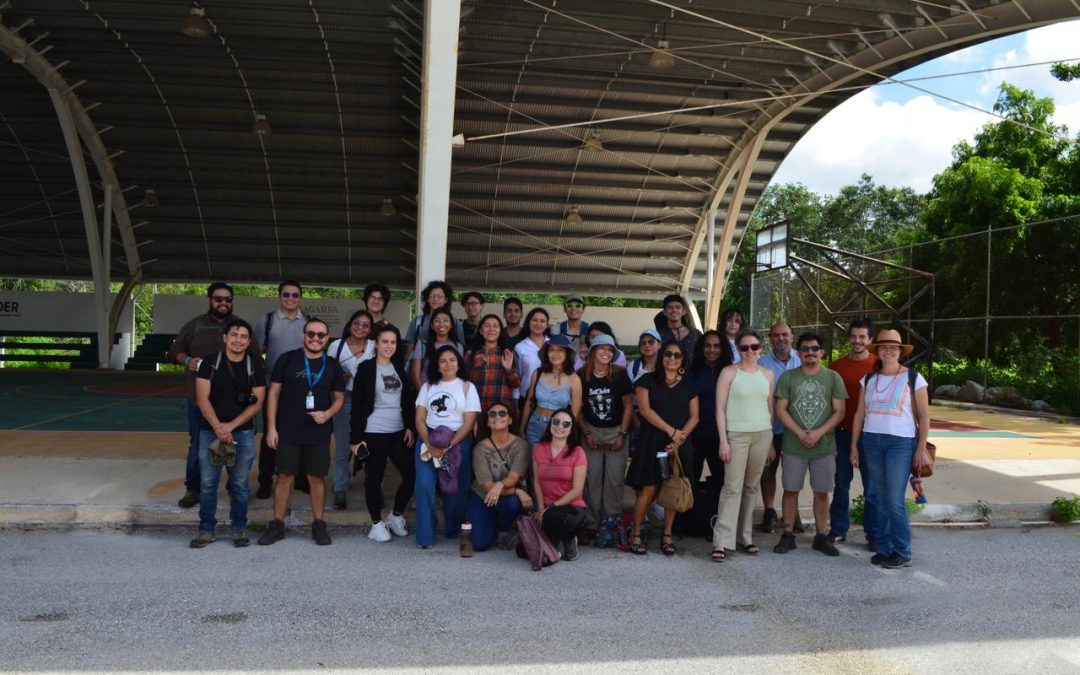
The GLACIER workshop on Sample Management and Storage took place from November 4 to 6, focusing on equipping participants with the skills necessary to handle, label, store, and transport biological samples in compliance with international and German institutional standards. This workshop aimed to standardize techniques used in GLACIER-associated projects and foster a deeper understanding of ethical considerations and safety protocols in sample collection. The event included lectures, hands-on practice, and a final exercise to create Standard Operating Procedures (SOPs) for sample management. Scholarships were provided to cover essential expenses for selected participants.
Day 1: Introduction to Sample Collection and Management
Venue: ENES Mérida – Amphitheater of the Institute of Ecology
The first day commenced with Dr. Ana Escalante introducing the objectives of the GLACIER project. She highlighted the collaboration between international institutions and researchers working on wildlife studies to understand zoonotic disease transmission processes under the “One Health” framework. Participants and instructors presented their backgrounds and research interests, setting the stage for the workshop’s objectives.
Key Activities:
Roundtable Discussions
-
- Dr. Carlos Ibarra emphasized Latin America’s significance in zoonotic disease research, particularly regarding bats and rodents, and outlined the documentation required for wildlife studies in Mexico, such as collection permits from the Dirección General de Vida Silvestre.
- Dr. Luisa Falcón introduced metabolomics and metagenomics techniques, which are crucial for analyzing pathogen presence in GLACIER samples.
- Dr. Andrés Moreira elaborated on the Institute of Virology’s work on emerging diseases and stressed the need for robust safety protocols during sample collection, including compliance with BIO III safety standards.
Lectures and Discussions
-
- Dr. Hugo Mendoza demonstrated sampling protocols for mammals and shared techniques for reducing contamination risks in the field.
- Ethics in sample collection were discussed, emphasizing responsible practices to ensure data quality and compliance with legal and ethical standards.
Practical Assignments
Participants were grouped based on their biological group preferences to begin drafting SOPs for sample collection and management.
Day 2: Field Techniques and Laboratory Insights
Venues: Eldorado Lab, Parque Científico y Tecnológico de Yucatán; Hacienda Yaxché de Peón
The second day provided participants with hands-on experience in mosquito sampling and bat specimen handling, alongside exposure to advanced laboratory techniques at Eldorado Lab.
Key Activities:
Laboratory Tour
-
- Dr. Gerardo Suzán led a guided tour of Eldorado Lab, showcasing ongoing research on vector-borne diseases and zoonotic pathogens.
- Researchers demonstrated mosquito trapping techniques and explained VG trap functionality during a brief field session.
Fieldwork at Hacienda Yaxché de Peón
-
- Participants set up mist nets to capture bats and performed sampling under the guidance of Drs. Luisa Falcón and Osiris Gaona.
- Techniques included collecting saliva swabs, fecal samples, and blood for virome and microbiome studies.
- Preservation methods for field conditions and health precautions were emphasized.
Reflections:
The activity highlighted the integration of ethical considerations and technical precision in field practices, ensuring data quality while prioritizing animal welfare and researcher safety.
Day 3: Botany, Antimicrobial Compounds, and Final SOP Presentation
Venues: CICY Botanical Garden and Herbarium “Roger Orellana”; ENES Mérida Laboratory
The final day concluded with a focus on plant studies and laboratory techniques for analyzing antimicrobial properties. Participants refined and presented their SOPs.
Key Activities:
Botanical Studies
-
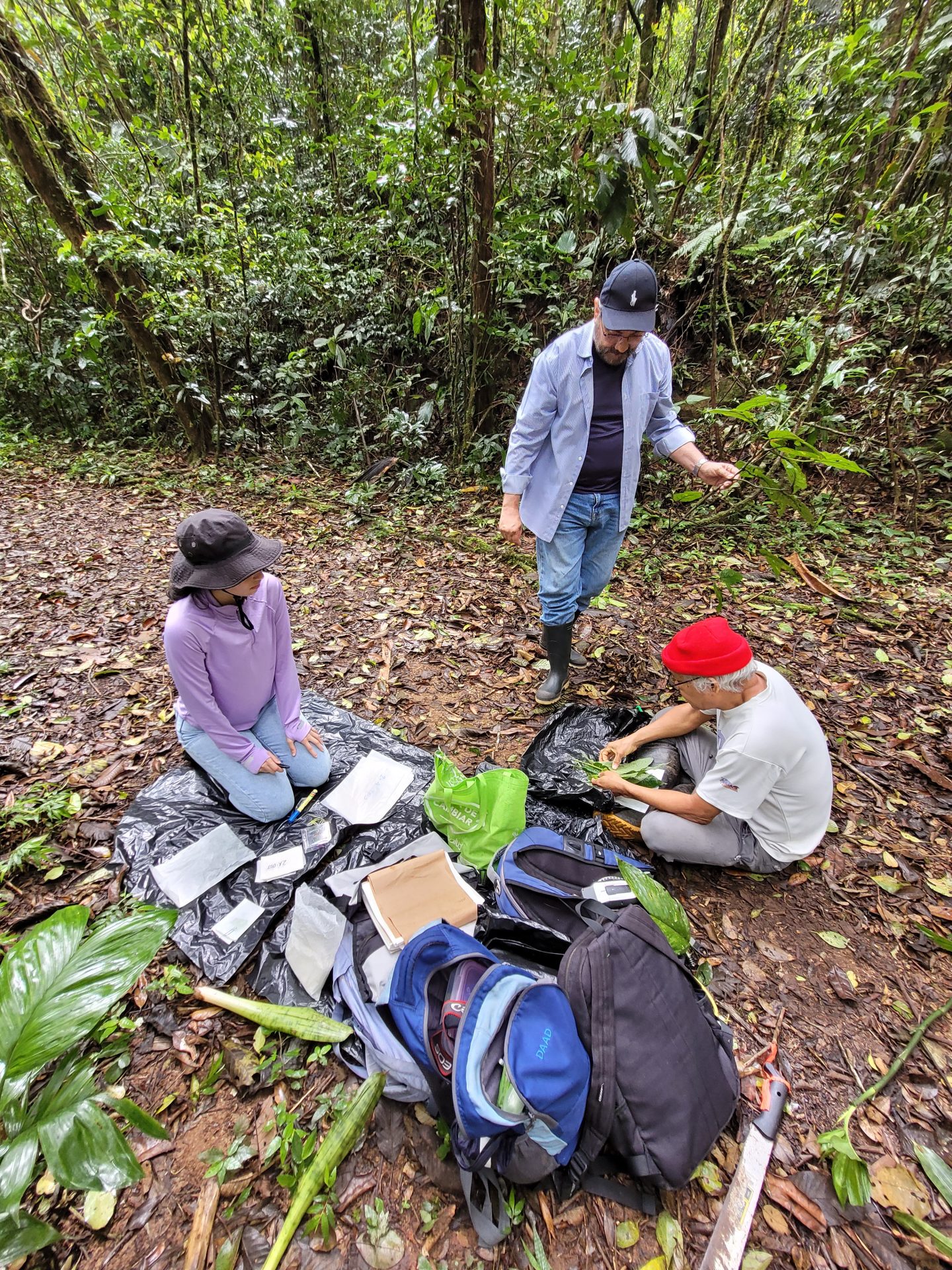
- Dr. Ludger Wessjohann guided participants through the Roger Orellana Botanical Garden, explaining plant adaptations and the potential of active compounds in antimicrobial treatments.
- His lecture linked botanical research to GLACIER’s goals of addressing zoonotic and emerging diseases.
Laboratory Practice
-
- Participants performed chromatography on plant samples, isolating and analyzing compounds for antimicrobial activity.
- The practical session demonstrated the role of plants in disease research and drug development.
SOP Presentation and Closing Remarks
-
- Teams presented their SOPs, receiving feedback from instructors to ensure alignment with GLACIER’s standards.
- Key takeaways emphasized collaboration, protocol adherence, and the importance of standardization in international research projects.
Workshop Outcomes
Participants gained:
- Proficiency in sample handling, labeling, and storage.
- Insights into ethical considerations and international compliance standards.
- Practical experience in field and laboratory techniques for zoonotic and vector-borne disease research.
- Skills to create SOPs tailored to their research areas.
Instructors: Dr. Ludger Wessjohann, Dr. Ana Escalante, Dr. Andrés Moreira, Dr. Gerardo Suzán, Dr. Carlos Ibarra, Dr. Luisa Falcón, Dr. Osiris Gaona, and Dr. Hugo Mendoza.
Acknowledgment: We thank all participants, instructors, and supporting staff for making this workshop a success, contributing to the development of standardized practices in wildlife and zoonotic disease research.