






Memento Research Prize for Jan Felix Drexler

Memento Research Prize for Jan Felix Drexler

Dr. Jan Felix Drexler, Professor at the Institute of Virology of the Charité – Universitätsmedizin Berlin and one of GLACIER’s Principal Investigators, has been awarded this year’s Memento Research Prize for his achievements in the diagnosis of new viral diseases. The award recognizes contributions to the research and development of preventative measures, diagnostics and treatments for neglected diseases in poorer countries.

“With climate change and the decline in biodiversity, new viruses are emerging – for example the Zika virus, which infected many people in 2016, especially in Latin America and the Caribbean. Or the chikungunya virus, which spreads from Africa and Southeast Asia to Central and South America. An infection causes severe fever and sometimes long-lasting joint pain. The main vectors of these viruses, known as emerging viruses, are mosquitoes.

In the affected regions themselves, there are often hardly any opportunities to reliably diagnose an infection, reports Jan Felix Drexler: “The Global South is usually not viewed as a relevant market by companies in the Global North that develop diagnostics.” The result: detection methods for emerging viruses are often not sufficiently tested for use in poorer countries. “Since there are usually no locally developed and produced alternatives, they are still imported for a lot of money – and there are also high tariffs and distribution fees. Accordingly, there is inadequate and delayed diagnosis,” explains Prof. Drexler.

Detect outbreaks early with new tests

The researcher has therefore set himself the goal of developing innovative diagnostic tests for emerging viruses. He and his team have already achieved this for the Zika virus. He is also developing novel detection methods for other viruses that are transmitted by blood-sucking insects in order to support diagnostic laboratories in structurally weak regions. “The rapid and reliable diagnosis of these infections is the basis for optimal patient care as well as successful monitoring and combating of outbreaks,” emphasizes Drexler.

For this commitment, Jan Felix Drexler was awarded the Memento Research Prize on November 16th. The prize is awarded by an alliance of Doctors Without Borders, Bread for the World, the BUKO Pharma Campaign and the DAHW German Leprosy and Tuberculosis Aid and is endowed with 5,000 euros.”
International Workshop in Guatemala within the VI WDA Latin America Conference framework

International Workshop in Guatemala within the VI WDA Latin America Conference framework

© GLACIER

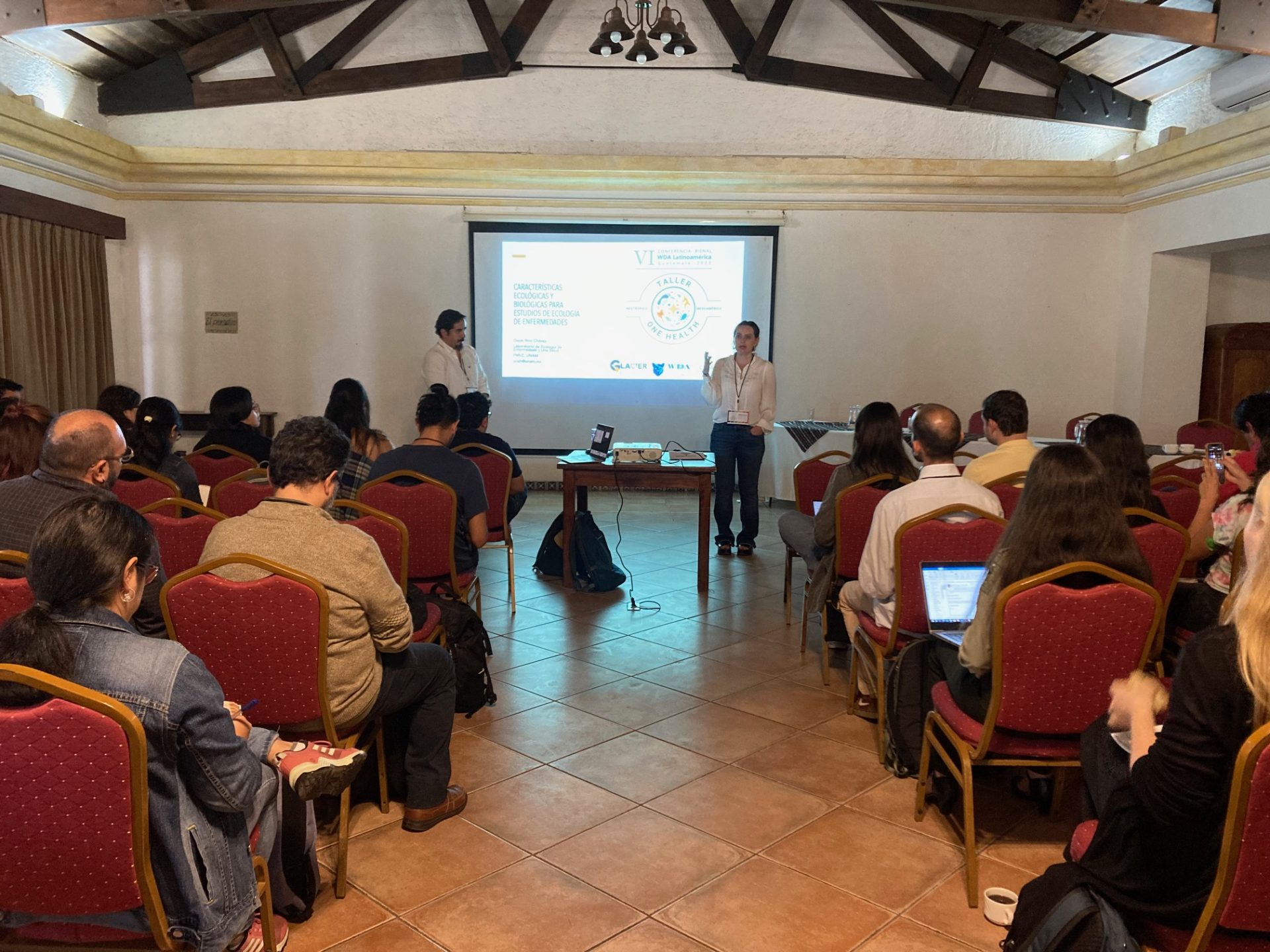
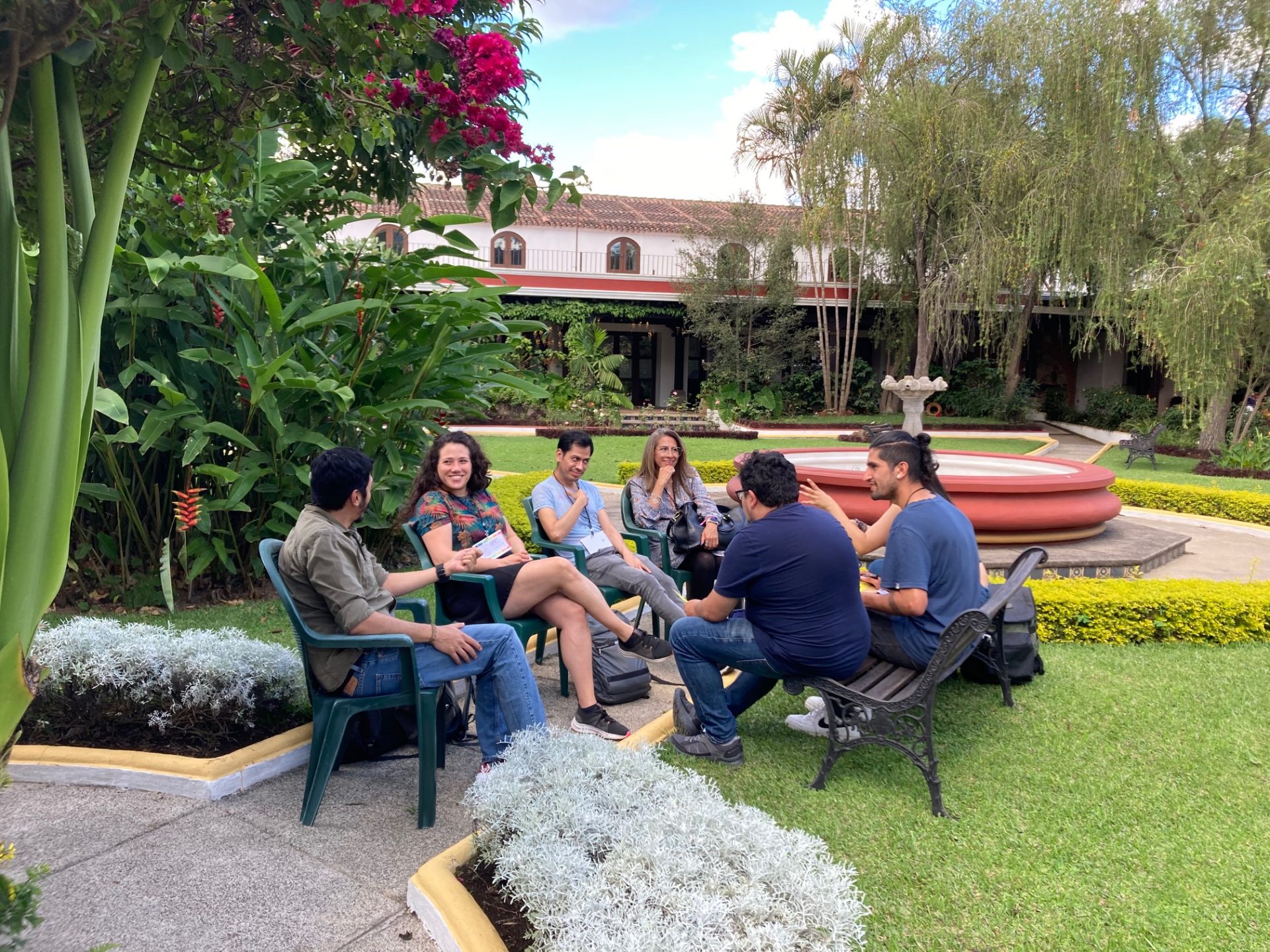
On November 13, 2023, GLACIER presented the “Bases for One Health Research in the Neotropic with Emphasis in Mesoamerica” workshop in Villa Colonial – Antigua, Guatemala, within the framework of the VI Biennial WDA Latin America Conference (Guatemala, 2023).

In Latin America and specifically in Mesoamerica, changes in land use have increased the interaction between humans and their domestic animals and local fauna.

Unfortunately, there is a big information gap on the effects of environmental degradation on disease emergence. One of the proposed global strategies to face this challenge is developing multidisciplinary and multicausal approaches that allow us to understand the patterns and processes that favor the establishment and transmission of infectious agents, especially in regions with less favorable social and economic conditions.

It is necessary to determine the connections between diseases and ecological (diversity), socioeconomic (social marginalization, ownership of domestic animals) and cultural (customs and traditions) factors to understand how changes in these interactions influence the appearance, reappearance and/or restriction of infectious agents in a specific region.

This 7-hour workshop sought to carry out a general evaluation and prioritization of the biological, ecological, socioeconomic, cultural and educational variables for research in the Neotropics and especially in Mesoamerica, using the One Health approach. Participants included students (undergraduate and postgraduate) and researchers from various regions of Latin America with experience in Disease Ecology and One Health projects in Latin America. This guaranteed rich examples from geographical and social environments with conditions relatively similar to those of Mesoamerica.

© GLACIER

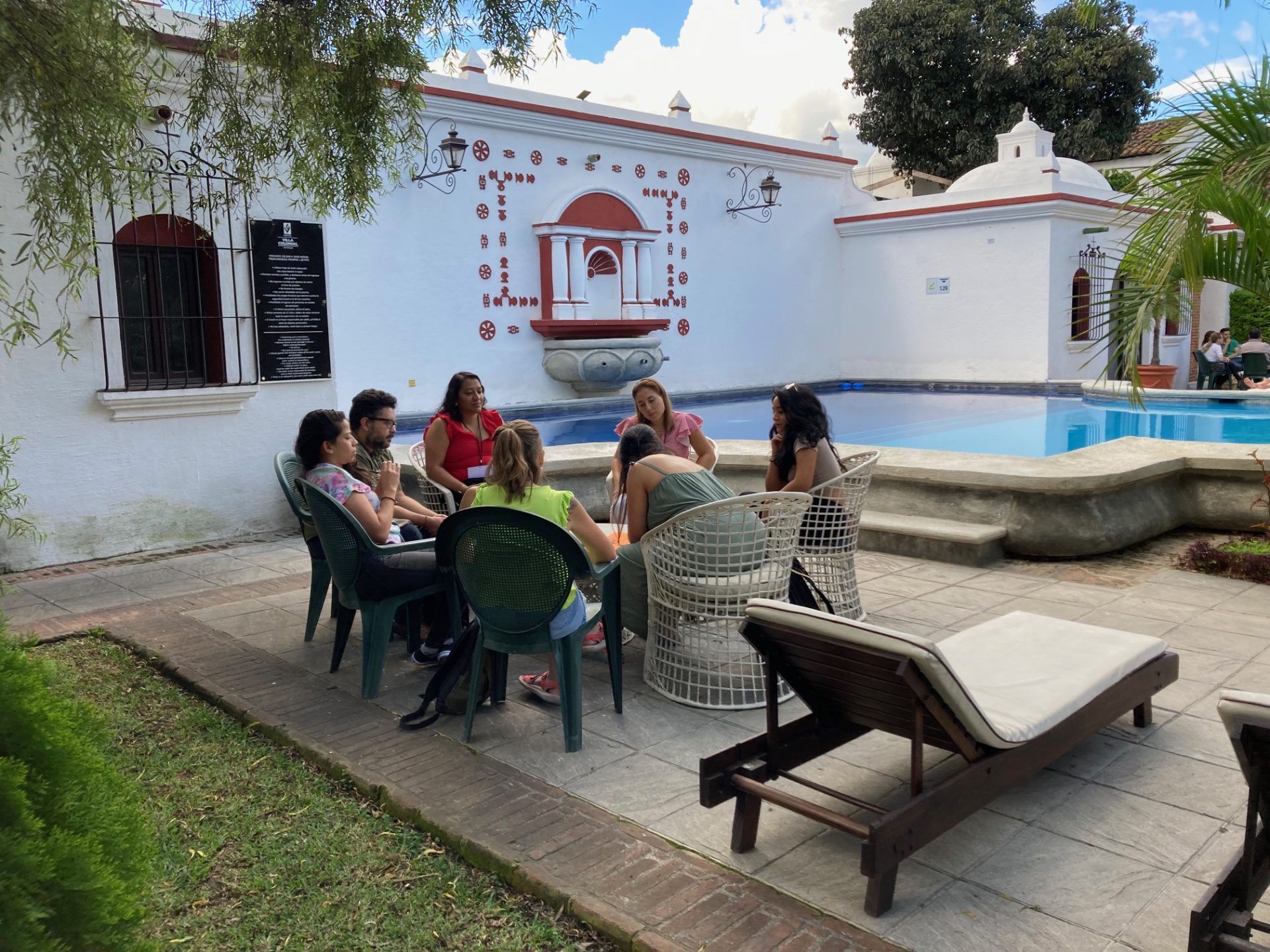
The workshop was divided into blocks of priority topics. Each block was composed of a 30-minute talk by an expert, with 45 minutes of group work to carry out a brainstorming session, guided by a list of questions or statements, with the intention of identifying the priority variables to take into account in the neotropics and especially in Mesoamerica.

To inaugurate the workshop, Dr. Andrea Chaves from the University of Costa Rica (Costa Rica) gave a brief presentation on the One Health concept and outlined the workshop dynamics.

© GLACIER

Next, Dr. Bernal Rodríguez from the University of Costa Rica (Costa Rica) gave the talk “Introduction to Mesoamerica,” in which he addressed ecological, social and cultural aspects that make Mesoamerica a region of global relevance.

Next, Dr. Amanda Fine, Director of One Health for WCS, spoke about “Lessons Learned in Other Regions Around the World,” addressing her experience of One Health initiatives in other tropical regions.

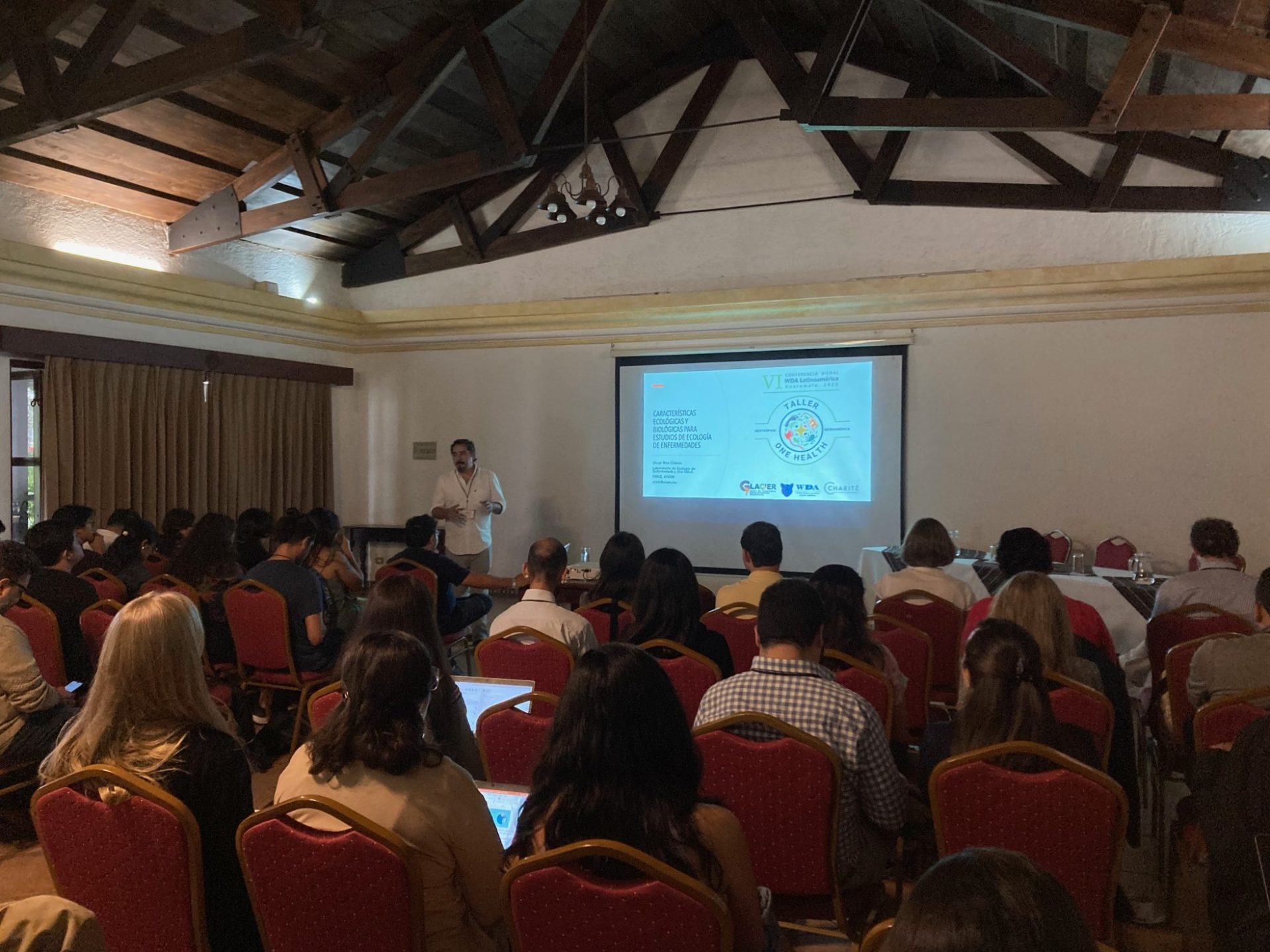
After the first coffee break, Dr. Oscar Rico Chávez from the National Autonomous University of Mexico (Mexico) presented the talk “Ecological and Biological Characteristics for Disease Ecology Studies,” in which he addressed the interactions between system components in diverse landscapes, taking into account land use, fragmentation, environmental characteristics, diversity of functional groups and the dilution effect.

Afterwards, Dr. Gerardo Acosta Jamett from the Universidad Austral de Chile (Chile) presented the talk “A System’s Components: Interactions between Hosts, Vectors and Infectious Agents,” in which he discussed the risks of interaction between potential hosts and vectors; jungle cycles vs urban cycles and human-animal interface of buffer zones.

Dr. Carlos Ibarra-Cerdeña, from CINVESTAV, Mérida Unit (Mexico) presented the talk “Methodological Analysis of Risk of Infection by Zoonotic Agents,” where he addressed the analysis of components for risk calculation (vulnerability, exposure and danger analysis).

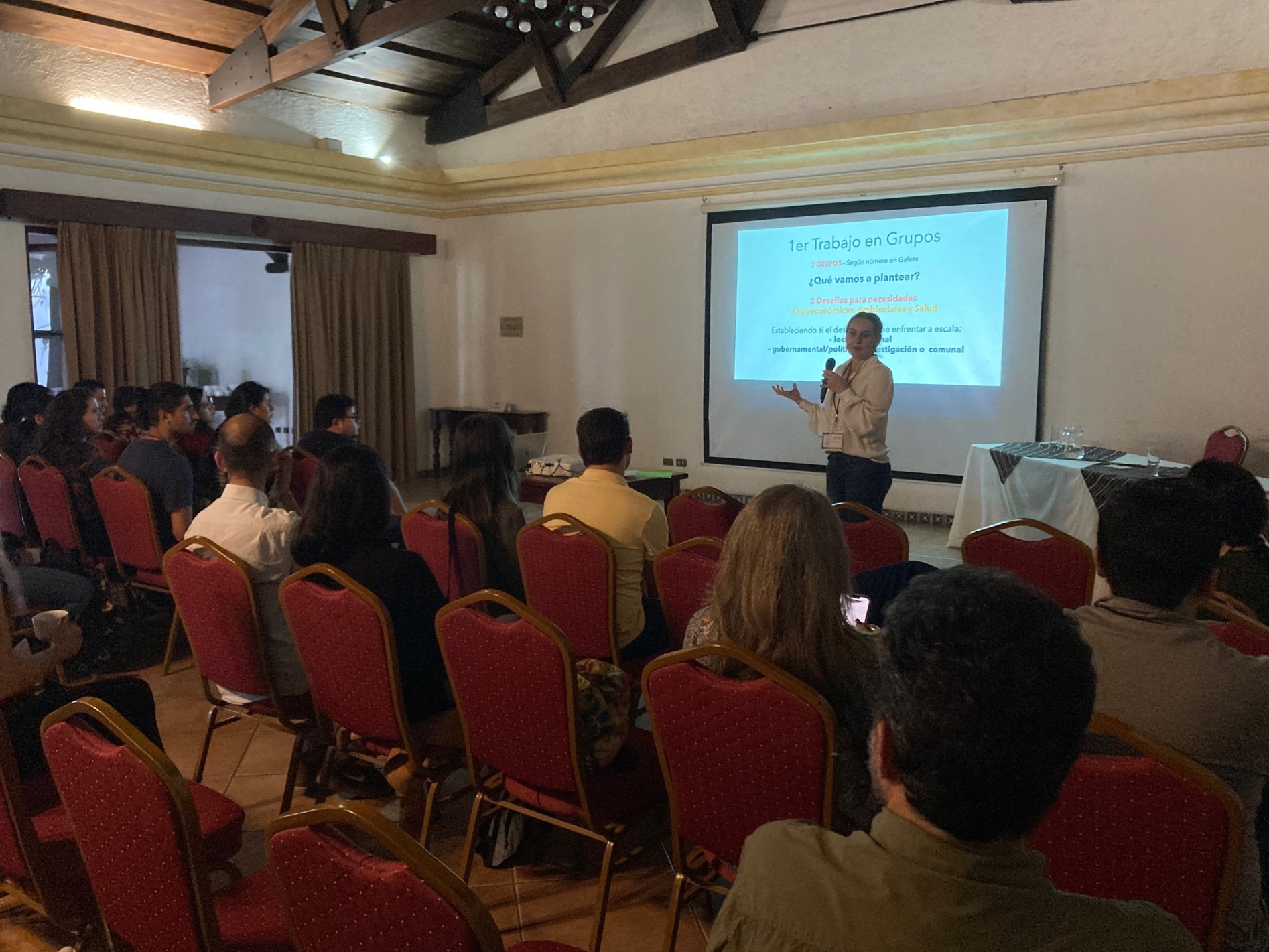
From 12:00 p.m. to 12:45 p.m. a group-work session was carried out. During this session, participants established fundamental aspects for the development of One Health initiatives in Latin America, with emphasis on the concepts developed by the panelists and on the ecological characteristics of their own countries.

© GLACIER

© GLACIER | Nikté Licona

After lunch, Valeria Morales from the University of Costa Rica (Costa Rica) gave a talk on the “Degree of Social Margination,” in which she addressed the problems of sanitation, access to health systems, knowledge and education programs, as well as prevention, control and monitoring of diseases transmitted directly or indirectly.

Dr. Claudio Azat from the Andrés Bello University of Chile (Chile) gave a talk on “Education and Specialization in One Health,” in which he addressed strategies and key aspects for the learning process in formal and informal training in One Health.

From 3:30 p.m. to 4:15 p.m. a second group-work session was carried out, following the same dynamics as the first one. Then the participants headed for their last coffee break.

© GLACIER

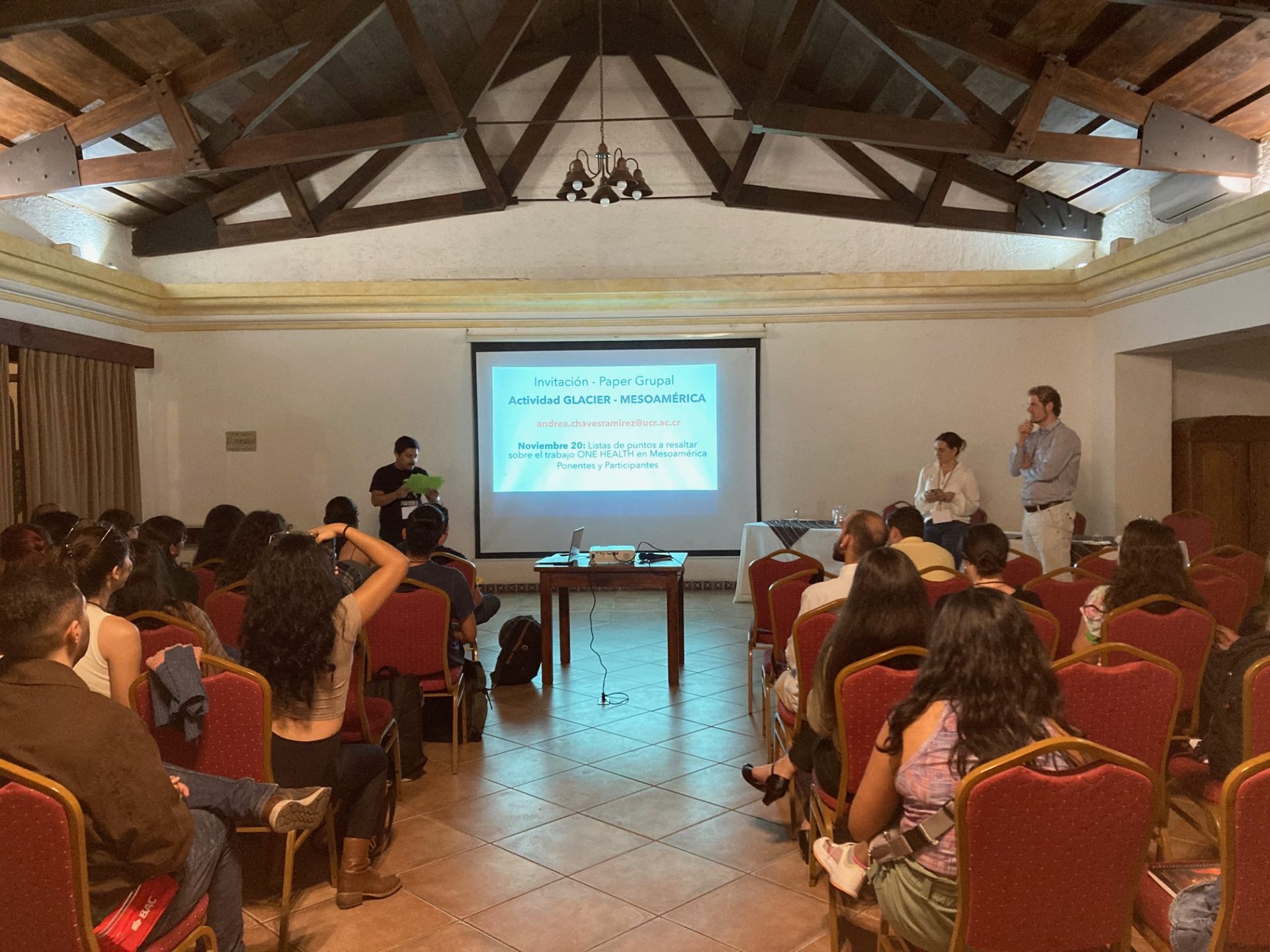
Finally, to close the workshop, the results of the group work were presented, followed by an exchange of ideas for future work and collaborations.

Dr. Jan Felix Drexler, Charité, Berlin (Germany) and Dr. Andrea Chaves from the University of Costa Rica (Costa Rica) presented the final conclusions and closed the workshop.

New Paper Published on Angewandte Chemie

New Paper Published on Angewandte Chemie

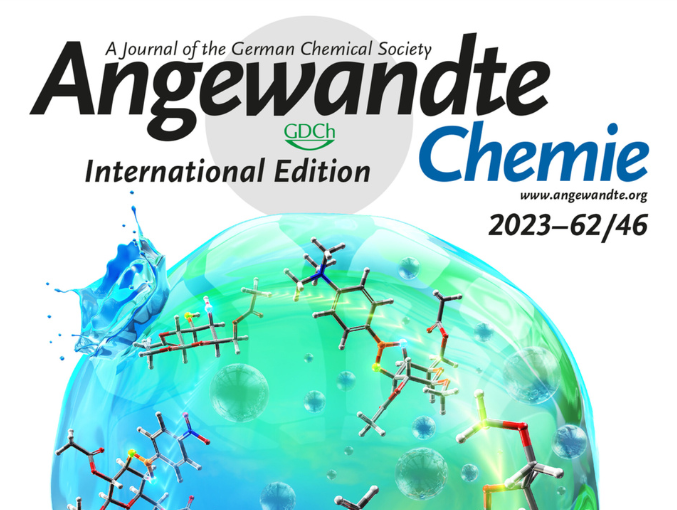
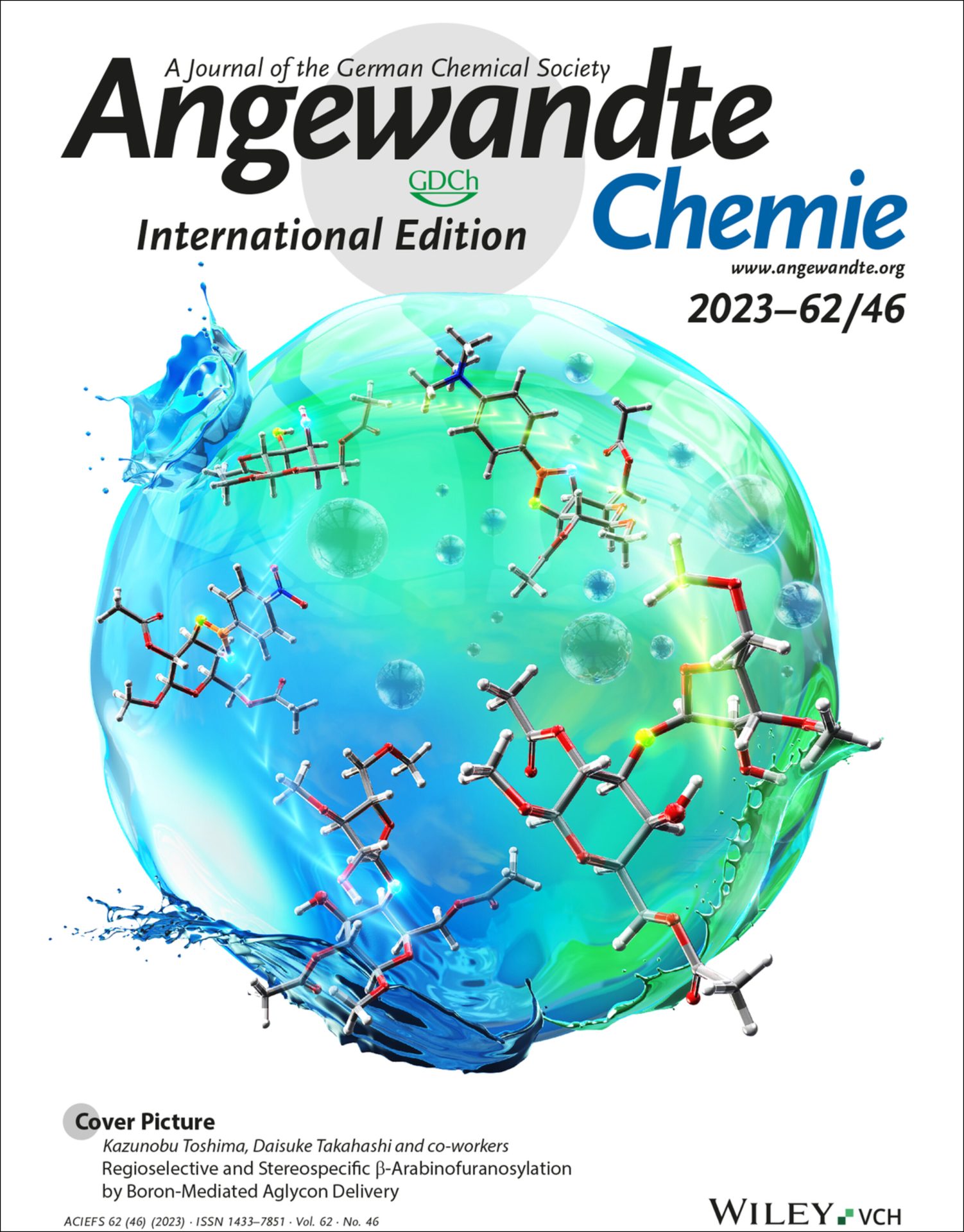
The development of potent adjuvants is an important step for improving the performance of subunit vaccines. CD1d agonists, such as the prototypical α-galactosyl ceramide (α-GalCer), are of special interest due to their ability to activate iNKT cells and trigger rapid dendritic cell maturation and B-cell activation. Here, we introduce a novel derivatization hotspot at the α-GalCer skeleton, namely the N-substituent at the amide bond. The multicomponent diversification of this previously unexplored glycolipid chemotype space permitted the introduction of a variety of extra functionalities that can either potentiate the adjuvant properties or serve as handles for further conjugation to antigens toward the development of self-adjuvanting vaccines. This strategy led to the discovery of compounds eliciting enhanced antigen-specific T cell stimulation and a higher antibody response when delivered either by parenteral or mucosal route, compared to a known potent CD1d agonist. Notably, various functionalized α-GalCer analogs showed a more potent adjuvant effect after intranasal immunization than a PEGylated α-GalCer analog previously optimized for this purpose. Ultimately, this work could open multiple avenues of opportunity for the use of mucosal vaccines against microbial infections.

Full Scholarship Available for our Hepatitis E Course in Tübingen

Full Scholarship Available for our Hepatitis E Course in Tübingen

One FULL SCHOLARSHIP (includes flights+accommodation) available for a student/technician from a GLACIER partner country.

The course has already started and will go on for 1.5 months.

The student/technician should be interested in virology and diagnostics of HEV and have flexibility to travel to Germany in short notice.

The course is structured in two parts:

  1. Molecular and serological diagnostics in different samples and tissues.
  2. Data analyses and phylogeny.

For more information please send an email to: unamglacier@iecologia.unam.mx or GLACIER@ipb-halle.de

We look forward to hearing from you!

New Paper!

New Paper!

Natural product reisolation is a bottleneck when discovering new bioactive chemical entities from nature. To overcome this issue, multi-informative approaches integrating several layers of data have been applied with promising results. In this study, integration of taxonomy, nontargeted metabolomics, and bioactivity information resulted in the selection of Scytalidium sp. IQ-074 and Diaporthe sp. IQ-053 to isolate new natural products active against hPTP1B1–400 and repurpose others as antibiotics. Strain IQ-074 was selected based on the hypothesis that investigating poorly studied and highly metabolic taxa could lead to the isolation of new chemical entities. A chemical investigation of IQ-074 resulted in the isolation of papyracillic acid A (14), 7-deoxypapyracillic acid A (15a and 15b), and linear polyketides scytalpolyols A–D (16–19). Compound 17 inhibited hPTP1B1–400 with a half-maximal inhibitory concentration of 27.0 ± 1.7 μM. Diaporthe sp. IQ-053 was selected based on its antibacterial properties against pathogenic strains. Its chemical investigation yielded dothiorelones A (20) and I (21), cytosporones B (22) and C (23), pestalotiopsone B (24), and diaporthalasin (25). Compounds 22 and 25 inhibited the growth of Staphylococcus aureus and Staphylococcus epidermidis 42R and moderately inhibited the growth of Acinetobacter baumannii A564, a pandrug-resistant bacterium.

GLACIER PhD Student Successfully Defends Her Dissertation

GLACIER PhD Student Successfully Defends Her Dissertation

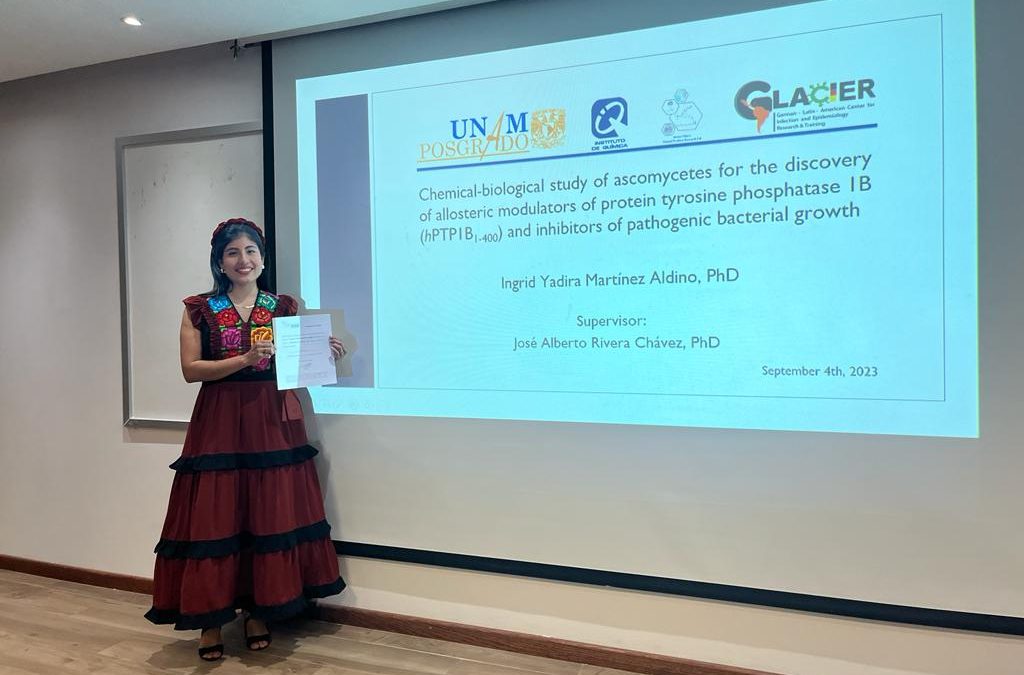
PhD Ingrid Yadira Martínez Aldino. © GLACIER

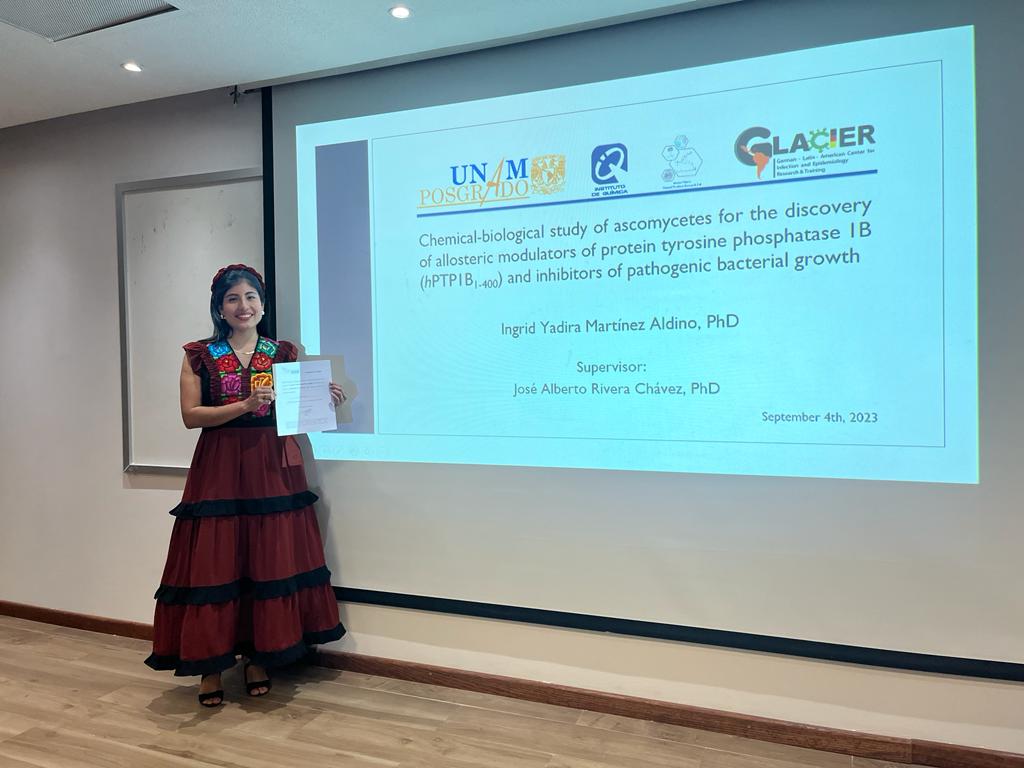
GLACIER PhD student Ingrid Yadira Martínez Aldino has successfully defended her dissertation “Chemical-biological study of ascomycetes for the discovery of allosteric modulators of protein tyrosine phosphatase 1B (hPTP1B 1-400) and inhibitors of pathogenic bacterial growth.”

Ingrid Yadira Martínez Aldino defends her PhD dissertation. © GLACIER

She carried out her research under the supervision of PhD José Alberto Rivera Chávez, member of the GLACIER consortium through the Institute of Chemistry of the National Autonomous University of Mexico (UNAM).

PhD Ingrid Yadira Martínez Aldino and her supervisor, PhD José Alberto Rivera Chávez. © GLACIER

You can read the paper “Absolute configuration and protein tyrosine phosphatase 1B inhibitory activity of xanthoepocin, a dimeric naphtopyrone from Penicillium sp. IQ-429” product of Martínez’s research here: