





International Workshop in Guatemala within the VI WDA Latin America Conference framework

International Workshop in Guatemala within the VI WDA Latin America Conference framework

© GLACIER

On November 13, 2023, GLACIER presented the “Bases for One Health Research in the Neotropic with Emphasis in Mesoamerica” workshop in Villa Colonial – Antigua, Guatemala, within the framework of the VI Biennial WDA Latin America Conference (Guatemala, 2023).
In Latin America and specifically in Mesoamerica, changes in land use have increased the interaction between humans and their domestic animals and local fauna.

Unfortunately, there is a big information gap on the effects of environmental degradation on disease emergence. One of the proposed global strategies to face this challenge is developing multidisciplinary and multicausal approaches that allow us to understand the patterns and processes that favor the establishment and transmission of infectious agents, especially in regions with less favorable social and economic conditions.

It is necessary to determine the connections between diseases and ecological (diversity), socioeconomic (social marginalization, ownership of domestic animals) and cultural (customs and traditions) factors to understand how changes in these interactions influence the appearance, reappearance and/or restriction of infectious agents in a specific region.

This 7-hour workshop sought to carry out a general evaluation and prioritization of the biological, ecological, socioeconomic, cultural and educational variables for research in the Neotropics and especially in Mesoamerica, using the One Health approach. Participants included students (undergraduate and postgraduate) and researchers from various regions of Latin America with experience in Disease Ecology and One Health projects in Latin America. This guaranteed rich examples from geographical and social environments with conditions relatively similar to those of Mesoamerica.
© GLACIER
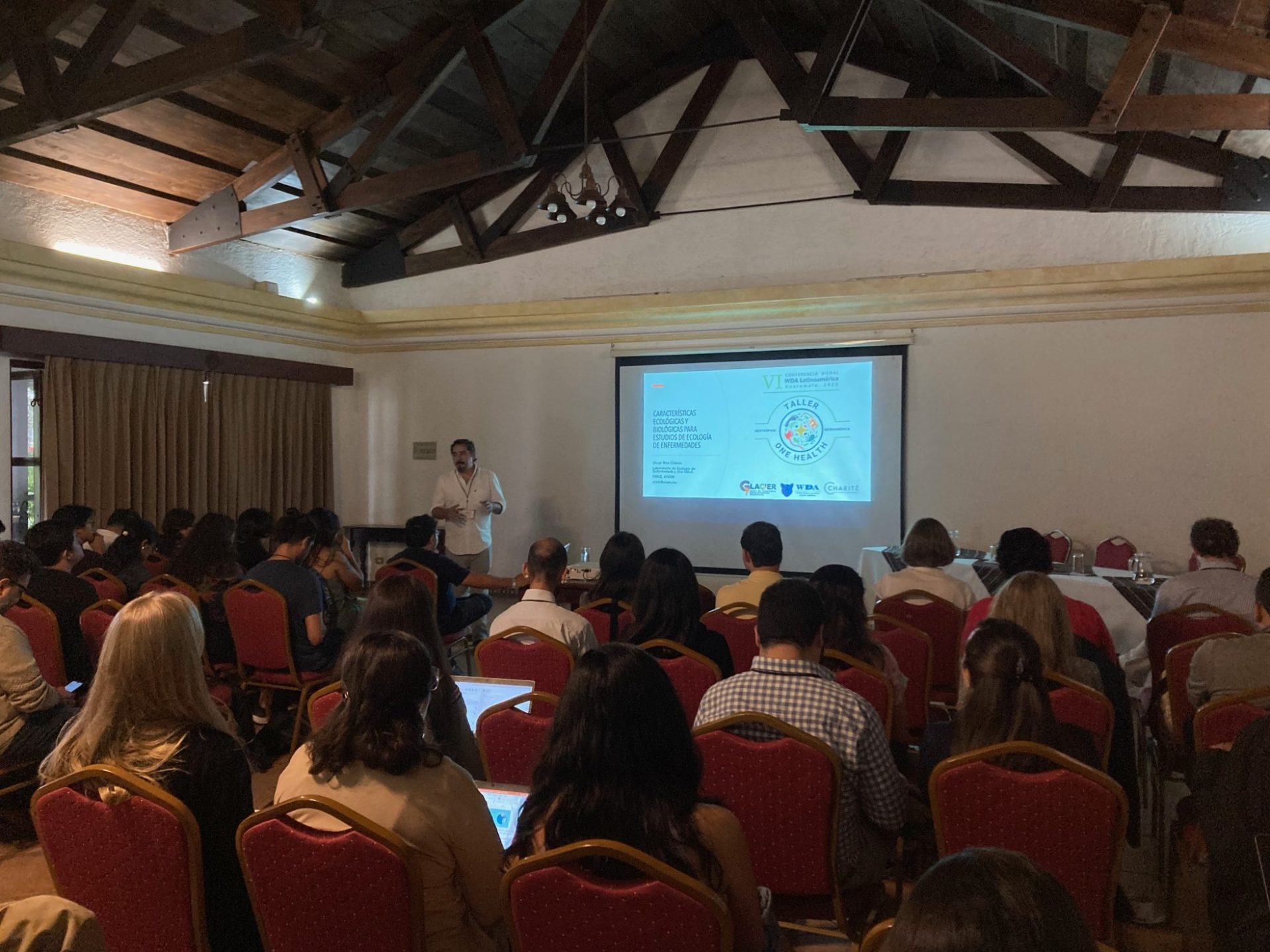
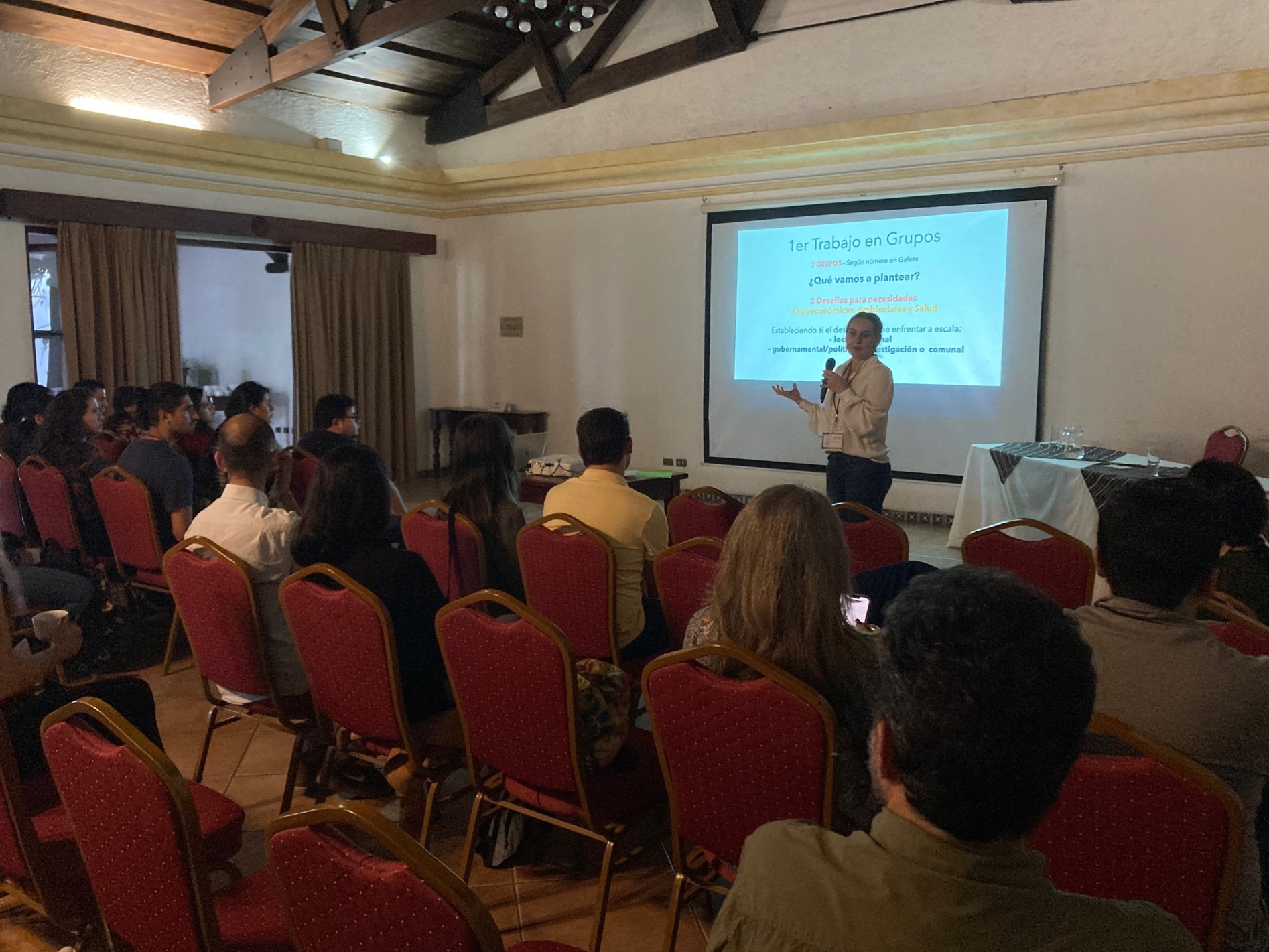
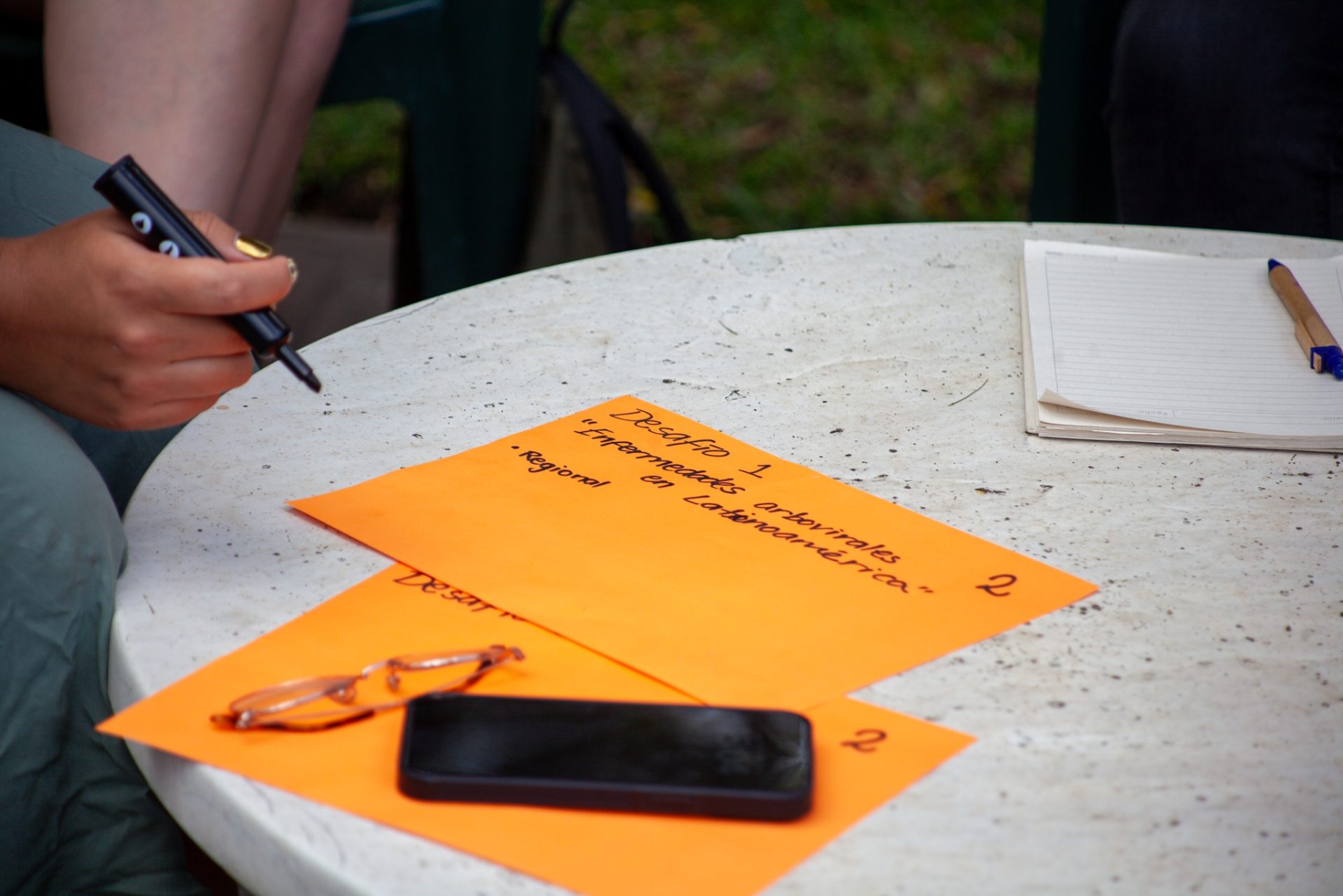
The workshop was divided into blocks of priority topics. Each block was composed of a 30-minute talk by an expert, with 45 minutes of group work to carry out a brainstorming session, guided by a list of questions or statements, with the intention of identifying the priority variables to take into account in the neotropics and especially in Mesoamerica.

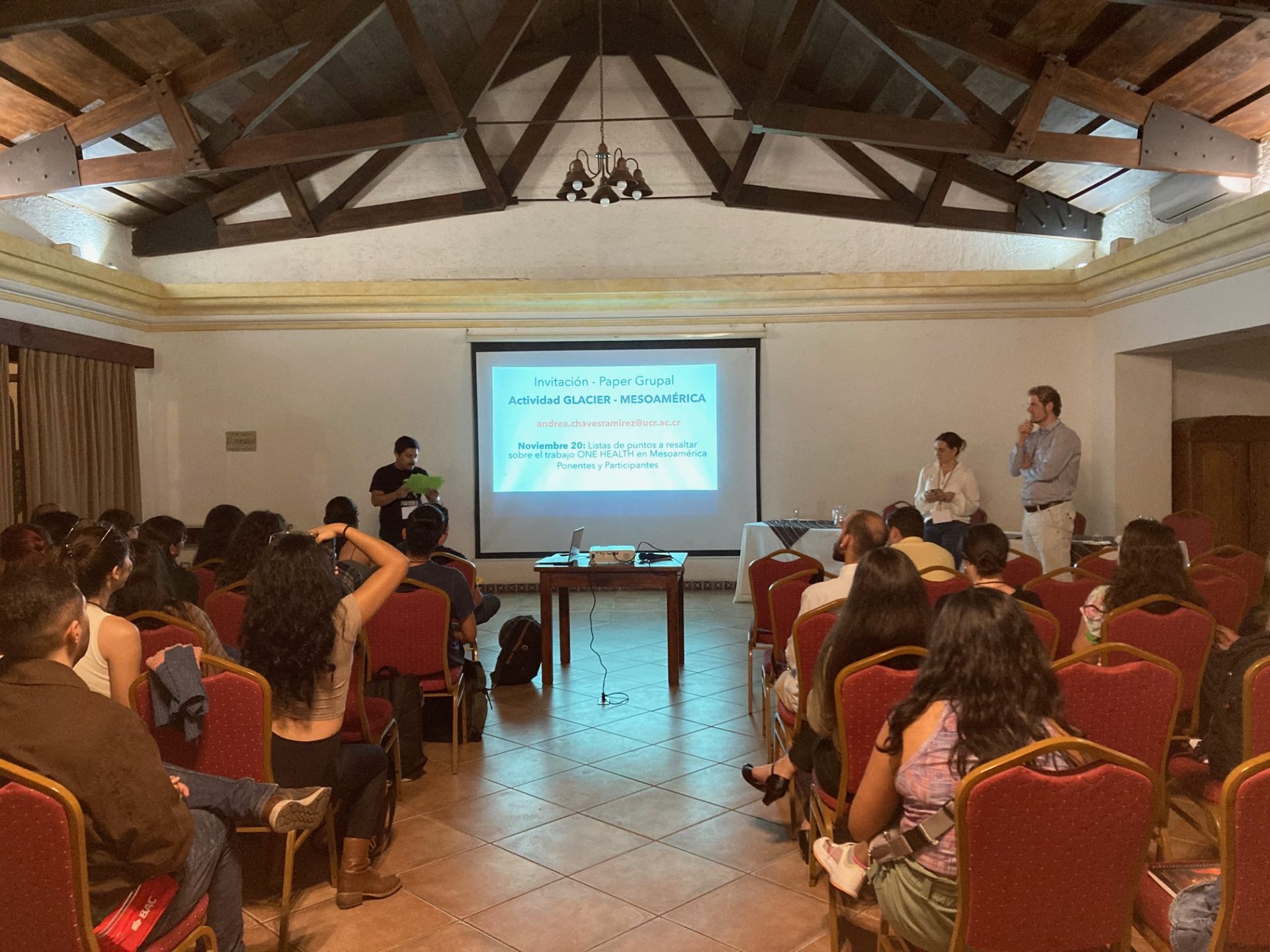
To inaugurate the workshop, Dr. Andrea Chaves from the University of Costa Rica (Costa Rica) gave a brief presentation on the One Health concept and outlined the workshop dynamics.

© GLACIER

Next, Dr. Bernal Rodríguez from the University of Costa Rica (Costa Rica) gave the talk “Introduction to Mesoamerica,” in which he addressed ecological, social and cultural aspects that make Mesoamerica a region of global relevance.

Next, Dr. Amanda Fine, Director of One Health for WCS, spoke about “Lessons Learned in Other Regions Around the World,” addressing her experience of One Health initiatives in other tropical regions.

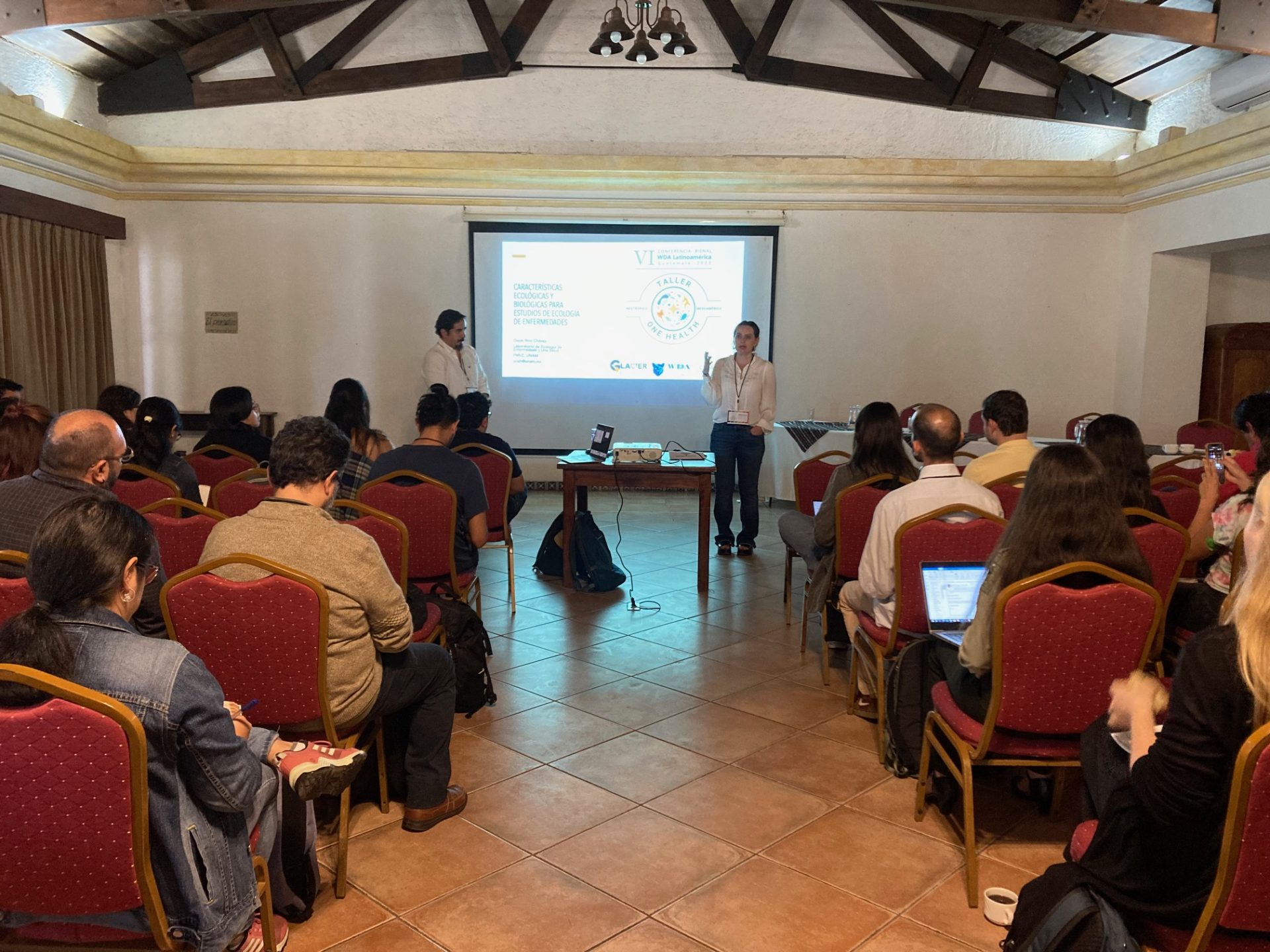
After the first coffee break, Dr. Oscar Rico Chávez from the National Autonomous University of Mexico (Mexico) presented the talk “Ecological and Biological Characteristics for Disease Ecology Studies,” in which he addressed the interactions between system components in diverse landscapes, taking into account land use, fragmentation, environmental characteristics, diversity of functional groups and the dilution effect.

Afterwards, Dr. Gerardo Acosta Jamett from the Universidad Austral de Chile (Chile) presented the talk “A System’s Components: Interactions between Hosts, Vectors and Infectious Agents,” in which he discussed the risks of interaction between potential hosts and vectors; jungle cycles vs urban cycles and human-animal interface of buffer zones.

Dr. Carlos Ibarra-Cerdeña, from CINVESTAV, Mérida Unit (Mexico) presented the talk “Methodological Analysis of Risk of Infection by Zoonotic Agents,” where he addressed the analysis of components for risk calculation (vulnerability, exposure and danger analysis).

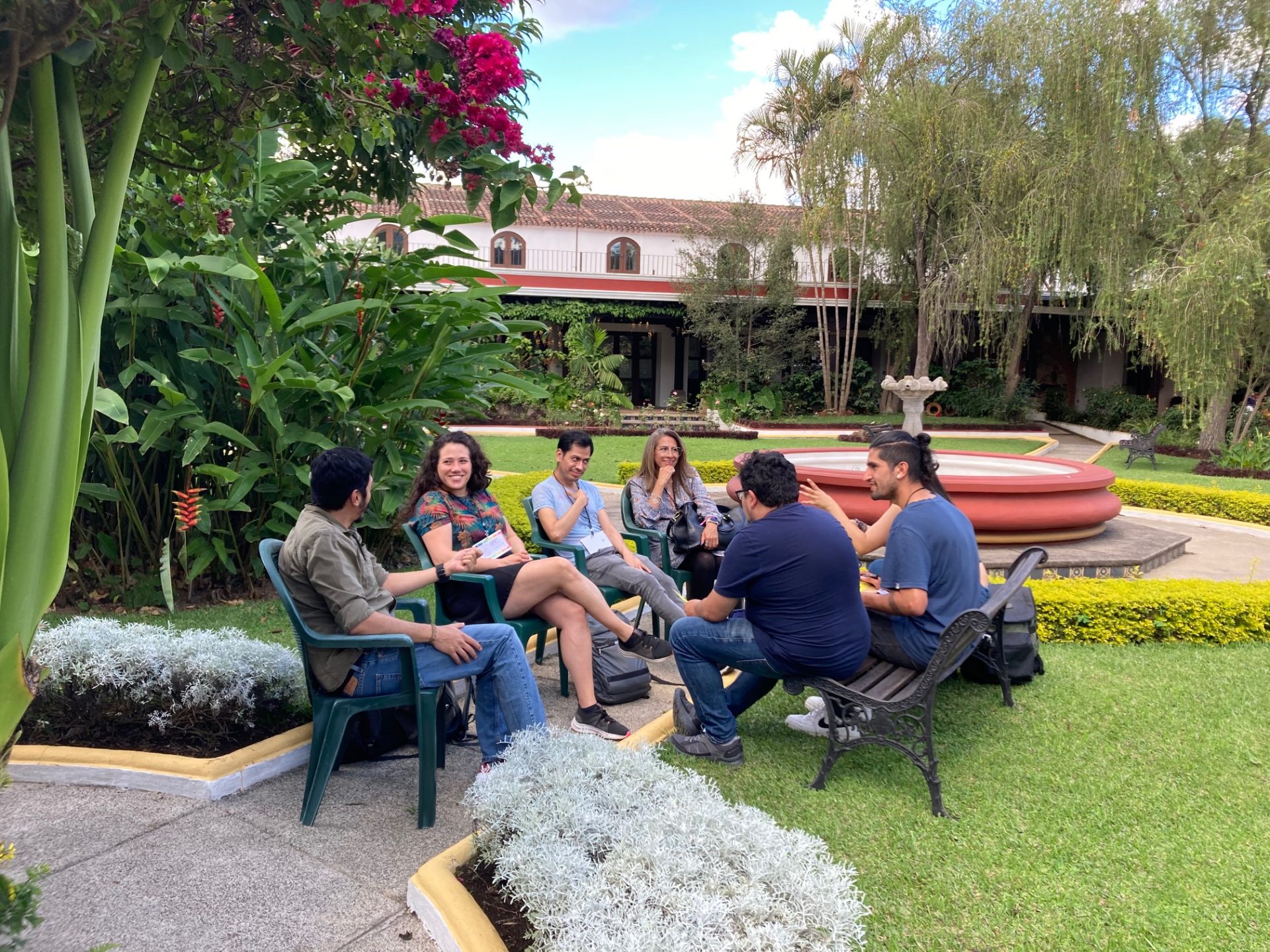
From 12:00 p.m. to 12:45 p.m. a group-work session was carried out. During this session, participants established fundamental aspects for the development of One Health initiatives in Latin America, with emphasis on the concepts developed by the panelists and on the ecological characteristics of their own countries.

© GLACIER

© GLACIER | Nikté Licona

After lunch, Valeria Morales from the University of Costa Rica (Costa Rica) gave a talk on the “Degree of Social Margination,” in which she addressed the problems of sanitation, access to health systems, knowledge and education programs, as well as prevention, control and monitoring of diseases transmitted directly or indirectly.

Dr. Claudio Azat from the Andrés Bello University of Chile (Chile) gave a talk on “Education and Specialization in One Health,” in which he addressed strategies and key aspects for the learning process in formal and informal training in One Health.

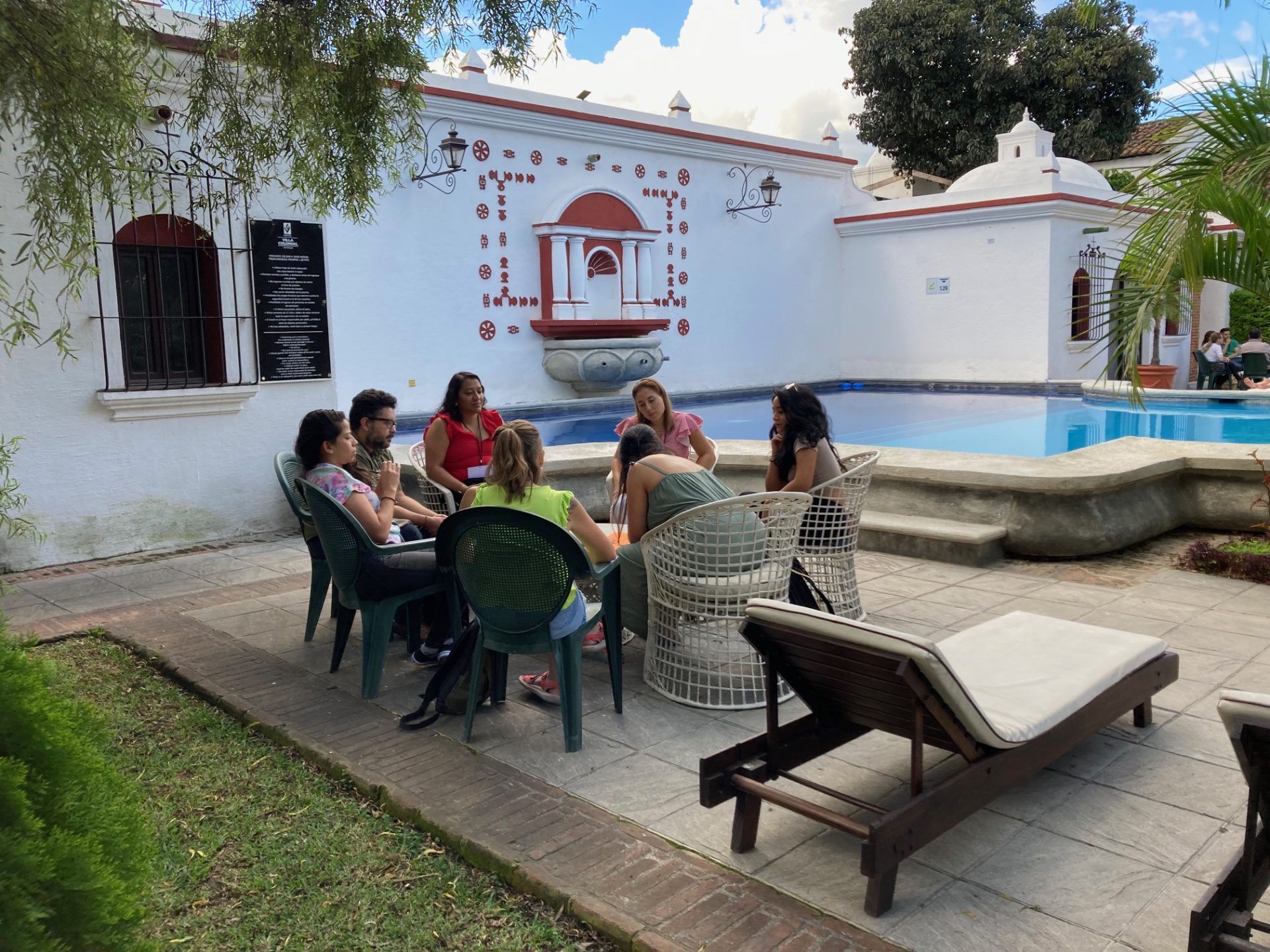
From 3:30 p.m. to 4:15 p.m. a second group-work session was carried out, following the same dynamics as the first one. Then the participants headed for their last coffee break.
© GLACIER

Finally, to close the workshop, the results of the group work were presented, followed by an exchange of ideas for future work and collaborations.

Dr. Jan Felix Drexler, Charité, Berlin (Germany) and Dr. Andrea Chaves from the University of Costa Rica (Costa Rica) presented the final conclusions and closed the workshop.
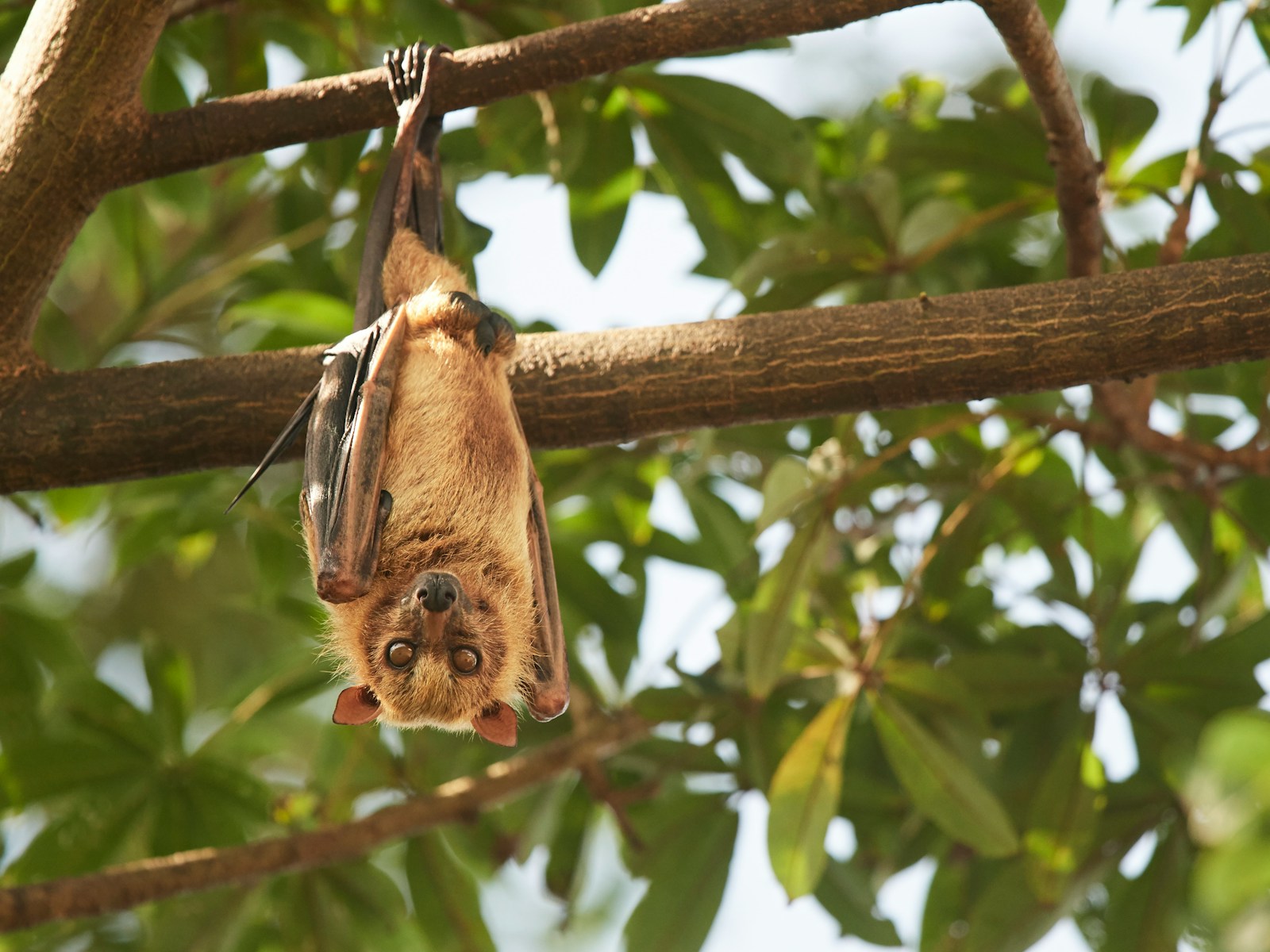
Experimental infection of Artibeus lituratus bats and no detection of Zika virus in neotropical bats from French Guiana, Peru, and Costa Rica suggests a limited role of bats in Zika transmission

Experimental infection of Artibeus lituratus bats and no detection of Zika virus in neotropical bats from French Guiana, Peru, and Costa Rica suggests a limited role of bats in Zika transmission

brown and black butterfly on brown tree branch during daytime

Bats are important natural reservoir hosts of a diverse range of viruses that can be transmitted to humans and have been suggested to play an important role in the Zika virus (ZIKV) transmission cycle. However, the exact role of these animals as reservoirs for flaviviruses is still controversial. To further expand our understanding of the role of bats in the ZIKV transmission cycle in Latin America, we carried out an experimental infection in wild-caught Artibeus lituratus bats and sampled several free-living neotropical bats across three countries of the region. Experimental ZIKV infection was performed in wild-caught adult bats (4 females and 5 males). The most relevant findings were hemorrhages in the bladder, stomach and patagium. Significant histological findings included inflammatory infiltrate consisting of a predominance of neutrophils and lymphocytes, in addition to degeneration in the reproductive tract of males and females. This suggests that bat reproduction might be at some level affected by ZIKV. Leukopenia was also observed in some inoculated animals. Hemorrhages, genital alterations, and leukopenia are suggested to be caused by ZIKV; however, since these were wild-caught bats, we cannot exclude other agents. Detection of ZIKV by qPCR was observed at low concentrations in only two urine samples in two inoculated animals. All other animals and tissues tested were negative. Finally, no virus-neutralizing antibodies were found in any animal. To determine ZIKV infection in nature, the blood of a total of 2056 bats was sampled for ZIKV detection by qPCR. Most of the sampled individuals belonged to the genus Pteronotus sp. (23%), followed by the species Carollia sp. (17%),
Anoura sp. (14%), and Molossus sp. (13.7%). No sample of any tested species was positive for ZIKV by qPCR. These results together suggest that bats are not efficient amplifiers or reservoirs of ZIKV and may not have an important role in ZIKV transmission dynamics.

Virulent Brucella nosferati infecting Desmodus rotundus has emerging potential due to the broad foraging range of its bat host for humans and wild and domestic animals

Virulent Brucella nosferati infecting Desmodus rotundus has emerging potential due to the broad foraging range of its bat host for humans and wild and domestic animals

Desmodus rotundus, vampire bats, transmit dangerous infections, and brucellosis is a hazardous zoonotic disease, two adversities that coexist in the subtropical and tropical areas of the American continent. Here, we report a 47.89% Brucella infection prevalence in a colony of vampire bats inhabiting the tropical rainforest of Costa Rica.

The bacterium induced placentitis and fetal death in bats. Wide-range phenotypic and genotypic characterization placed the Brucella organisms as a new pathogenic species named Brucella nosferati sp. nov., isolated from bat tissues, including the salivary glands, suggesting feeding behavior might favor transmission to their prey.

Overall analyses placed B. nosferati as the etiological agent of a reported canine brucellosis case, demonstrating its potential for infecting other hosts. To assess the putative prey hosts, we analyzed the intestinal contents of 14 infected and 23 non-infected bats by proteomics. A total of 54,508 peptides sorted into 7,203 unique peptides corresponding to 1,521 proteins were identified. Twenty-three wildlife and domestic taxa, including humans, were foraged by B. nosferati-infected D. rotundus, suggesting contact of this bacterium with a broad range of hosts. Our approach is appropriate for detecting, in a single study, the prey preferences of vampire bats in a diverse area, demonstrating its suitability for control strategies where vampire bats thrive.

Aptamers as Novel Binding Molecules on an Antimicrobial Peptide-Armored Composite Hydrogel Wound Dressing for Specific Removal and Efficient Eradication of Pseudomonas aeruginosa

Aptamers as Novel Binding Molecules on an Antimicrobial Peptide-Armored Composite Hydrogel Wound Dressing for Specific Removal and Efficient Eradication of Pseudomonas aeruginosa

Here we present for the first time a potential wound dressing material implementing aptamers as binding entities to remove pathogenic cells from newly contaminated surfaces of wound matrix-mimicking collagen gels. The model pathogen in this study was the Gram-negative opportunistic bacterium Pseudomonas aeruginosa, which represents a considerable health threat in hospital environments as a cause of severe infections of burn or post-surgery wounds. A two-layered hydrogel composite material was constructed based on an established eight-membered focused anti-P. aeruginosa polyclonal aptamer library, which was chemically crosslinked to the material surface to form a trapping zone for efficient binding of the pathogen. A drug-loaded zone of the composite released the C14R antimicrobial peptide to deliver it directly to the bound pathogenic cells. We demonstrate that this material combining aptamer-mediated affinity and peptide-dependent pathogen eradication can quantitatively remove bacterial cells from the “wound” surface, and we show that the surface-trapped bacteria are completely killed. The drug delivery function of the composite thus represents an extra safeguarding property and thus probably one of the most important additional advances of a next-generation or smart wound dressing ensuring the complete removal and/or eradication of the pathogen of a freshly infected wound.