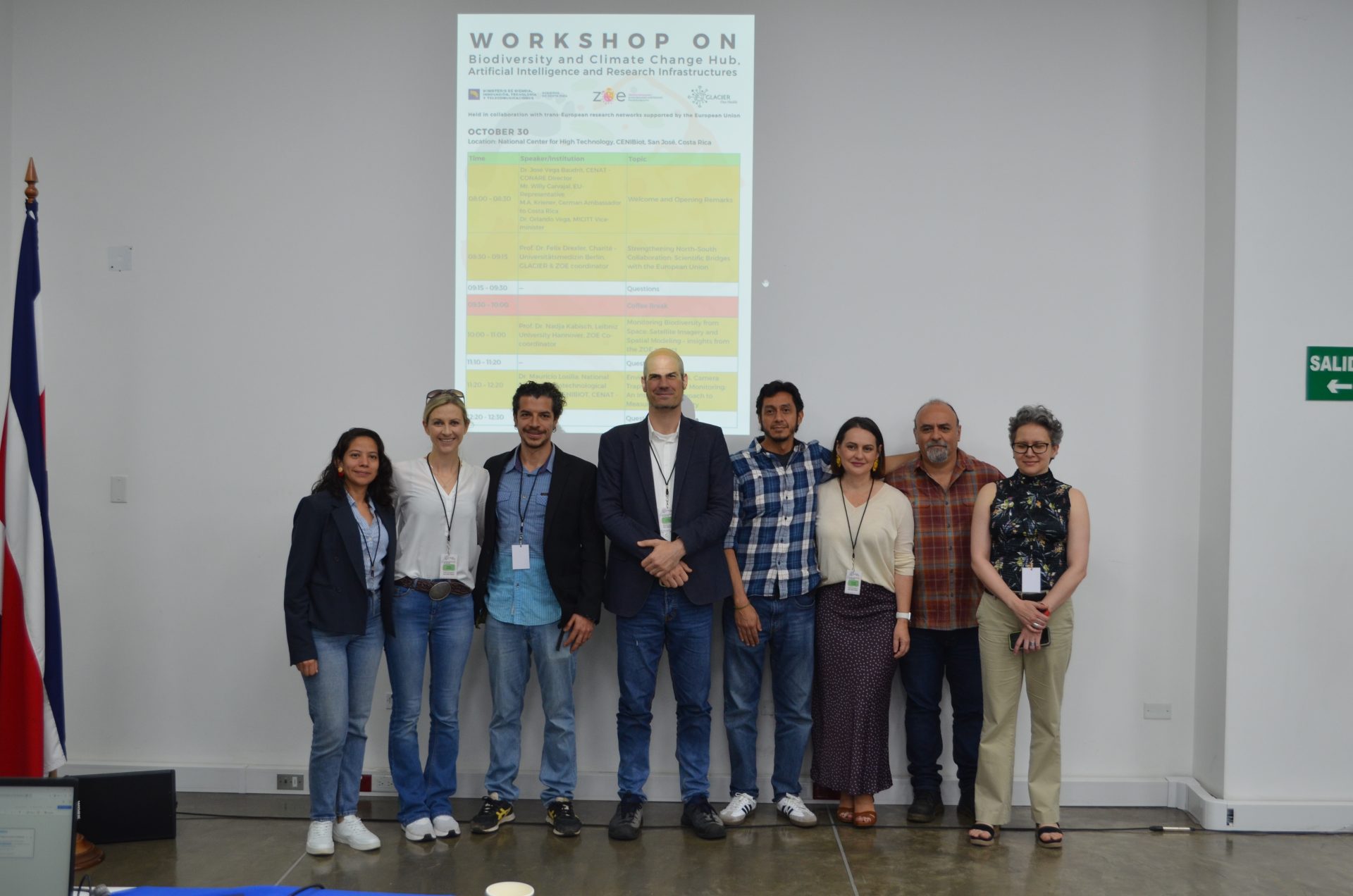








GLACIER’s team met in Costa Rica to close the first funding phase (2020–2025) and launch the roadmap for GLACIER 2 (2026–2030). We held a two-part gathering in Monteverde and San José, with the shared purpose of reviewing what we achieved, aligning priorities across partners, and setting the guiding lines for the next phase.
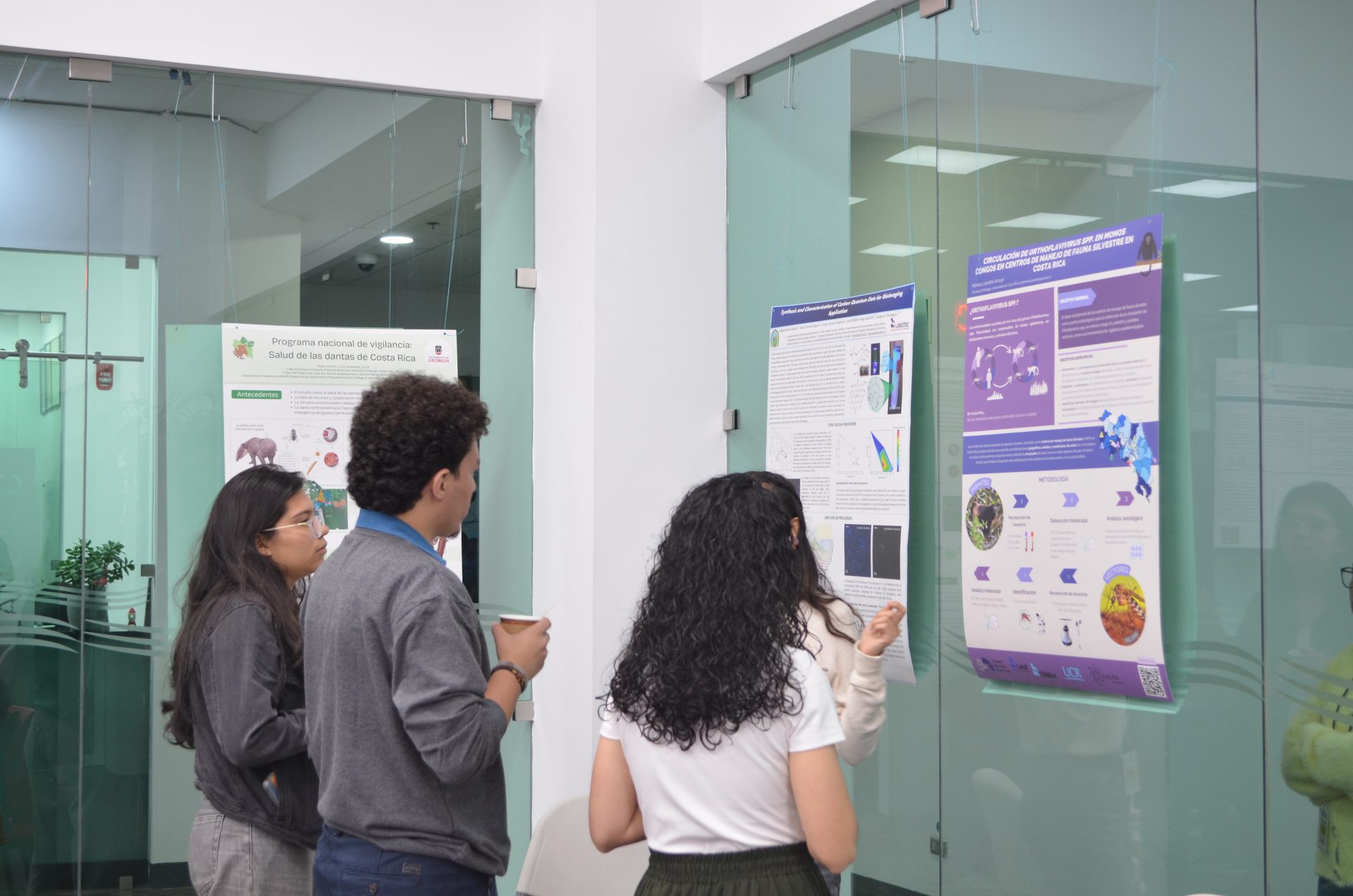
In Monteverde, GLACIER members held an internal scientific retreat to synthesize lessons learned and consolidate a shared roadmap. We then moved to San José, where the meeting broadened to include Costa Rican stakeholders from academia and government, the German Embassy in Costa Rica, and GLACIER members from across the network, including participants from Germany, Mexico, Colombia, and Cuba. A key highlight was the student session: Costa Rica-based exchange students supported by GLACIER presented their work, sparking discussion on outcomes, future opportunities, and next steps.


In parallel, colleagues from the sister project ZOE (Zoonosis Emergence across Degraded and Restored Forest Ecosystems) contributed to the broader San José program, including the International Seminar “Science & Society in One health – Innovation in Biodiversity & Environmental Health” at Centro Nacional de Alta Tecnología, with presentations by Prof. Dr. Felix Drexler and Prof. Dr. Nadja Kabisch, as well as a visit to ZOE case-study field sites led by the Costa Rican team (https://www.zoe-project.eu/2025/11/12/zoe-in-costa-rica/).
In brief, GLACIER’s first funding phase exceeded planned milestones, with training events and exchanges (42 student and 38 guest scientist mobilities) and 46 manuscripts reporting original One Health data, alongside COVID 19-related contributions (including support for local vaccine development), the establishment of real labs in Mexico and Cuba, and a strengthened regional network.