





Exploration of the Tertiary Amide Chemical Space of Dolastatin 15 Analogs Reveals New Insights into the Structure–Anticancer Activity Relationship

Exploration of the Tertiary Amide Chemical Space of Dolastatin 15 Analogs Reveals New Insights into the Structure–Anticancer Activity Relationship

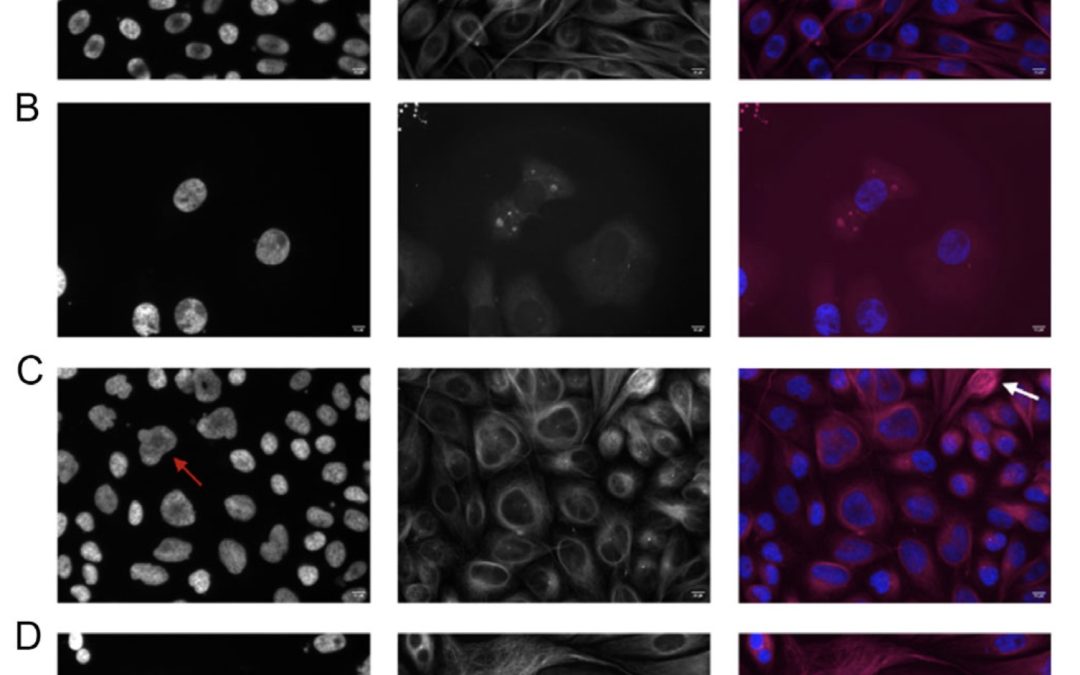
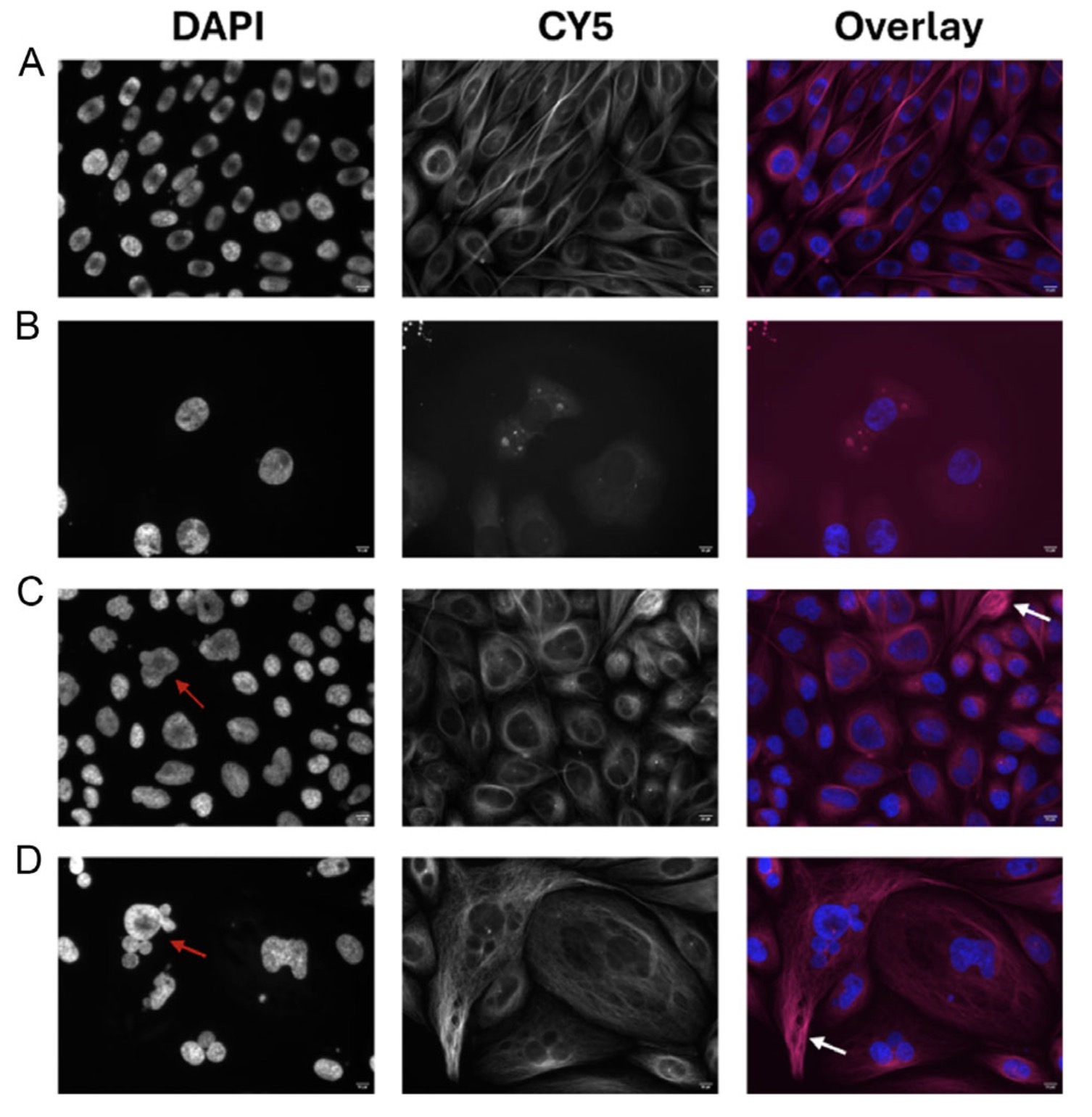
Dolastatins are a class of naturally occurring antimitotic peptides that have inspired the development of some of the most active and widely used anticancer agents. Here, we report on the development of synthetic methodologies for the preparation of parallel libraries of small peptides inspired by dolastatin 15 and itsanalogs cemadotin and tasidotin. The approaches rely on the use of either one or multiple Ugi-multicomponent reactions to generate amide N-substituted dolastatin-like skeletons, which allow the exploration of tertiary amide chemical spaces that have not been assessed previously. Evaluation of the anticancer activity in a variety of cancer cells showed that introducing a tertiary amide at the C-terminal fragment or by replacement of a proline residue does not lead to an increment in the anti-proliferative activity. The microtubule-disrupting capacity of the new dolastatin analogs was studied and compared with other potent antimitotic agents, thereby shedding light on mechanistic details of their anti-proliferative activity.
Pore-forming peptide C14R exhibits potent antifungal activity against clinical isolates of Candida albicans and Candida auris

Pore-forming peptide C14R exhibits potent antifungal activity against clinical isolates of Candida albicans and Candida auris

Introduction: Invasive candidiasis is a global public health problem as it poses a significant threat in hospital-settings. The aim of this study was to evaluate C14R, an analog derived from peptide BP100, as a potential antimicrobial peptide against the prevalent opportunistic yeast Candida albicans and the emergent multidrug-resistant yeast Candida auris.

Methods: Antifungal susceptibility testing of C14R against 99 C. albicans and 105 C. auris clinical isolates from Colombia, was determined by broth microdilution. Fluconazole was used as a control antifungal. The synergy between C14R and fluconazole was assessed in resistant isolates. Assays against fungal biofilm and growth curves were also carried out. Morphological alterations of yeast cell surface were evaluated by scanning electron microscopy. A permeability assay verified the pore-forming ability of C14R.

Results: C. albicans and C. auris isolates had a geometric mean MIC against C14R of 4.42 µg/ml and 5.34 µg/ml, respectively. Notably, none of the isolates of any species exhibited growth at the highest evaluated peptide concentration (200 µg/ml). Synergistic effects were observed when combining the peptide and fluconazole. C14R affects biofilm and growth of C. albicans and C. auris. Cell membrane disruptions were observed in both species after treatment with the peptide. It was confirmed that C14R form pores in C. albicans’ membrane.

Discussion: C14R has a potent antifungal activity against a large set of clinical isolates of both C. albicans and C. auris, showing its capacity to disrupt Candida membranes. This antifungal activity remains consistent across isolates regardless of their clinical source. Furthermore, the absence of correlation between MICs to C14R and resistance to fluconazole indicates the peptide’s potential effectiveness against fluconazole-resistant strains. Our results suggest the potential of C14R, a pore-forming peptide, as a treatment option for fungal infections, such as invasive candidiasis, including fluconazole and amphotericin B -resistant strains.

Multicomponent Functionalization of the Octreotide Peptide Macrocyclic Scaffold

Multicomponent Functionalization of the Octreotide Peptide Macrocyclic Scaffold

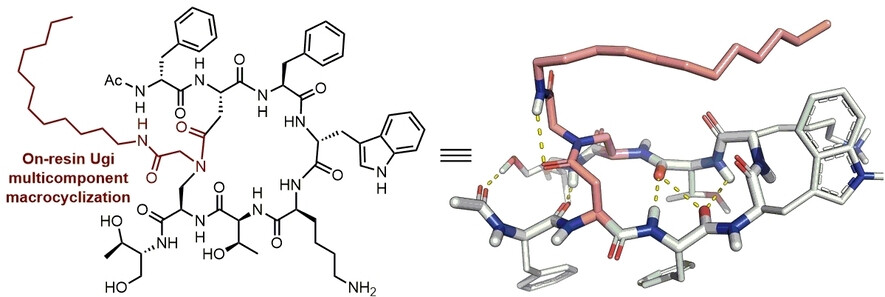
The replacement of the disulfide bridge by other types of side chain linkages has been a continuous endeavor in the development of cyclic peptide drugs with improved metabolic stability. Octreotide is a potent and selective somatostatin analog that has been used as an anticancer agent, in radiolabeled conjugates for the localization of tumors and as targeting moiety in peptide-drug conjugates. Here, we describe an on-resin methodology based on a multicomponent macrocyclization that enables the substitution of the disulfide bond by a tertiary lactam bridge functionalized with a variety of exocyclic moieties, including lipids, fluorophores, and charged groups. Conformational analysis in comparison with octreotide provides key information on the type of functionalization permitting the conformational mimicry of the bioactive peptide.

Improved Access to Potent Anticancer Tubulysins and Linker-Functionalized Payloads Via an All-On-Resin Strategy

Improved Access to Potent Anticancer Tubulysins and Linker-Functionalized Payloads Via an All-On-Resin Strategy

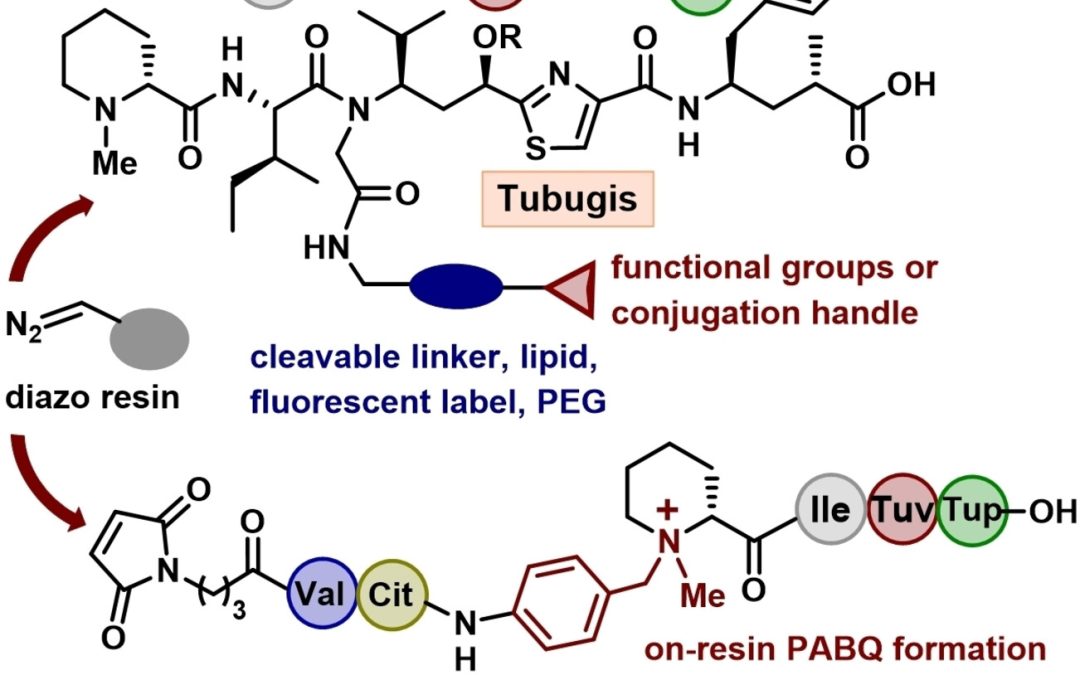
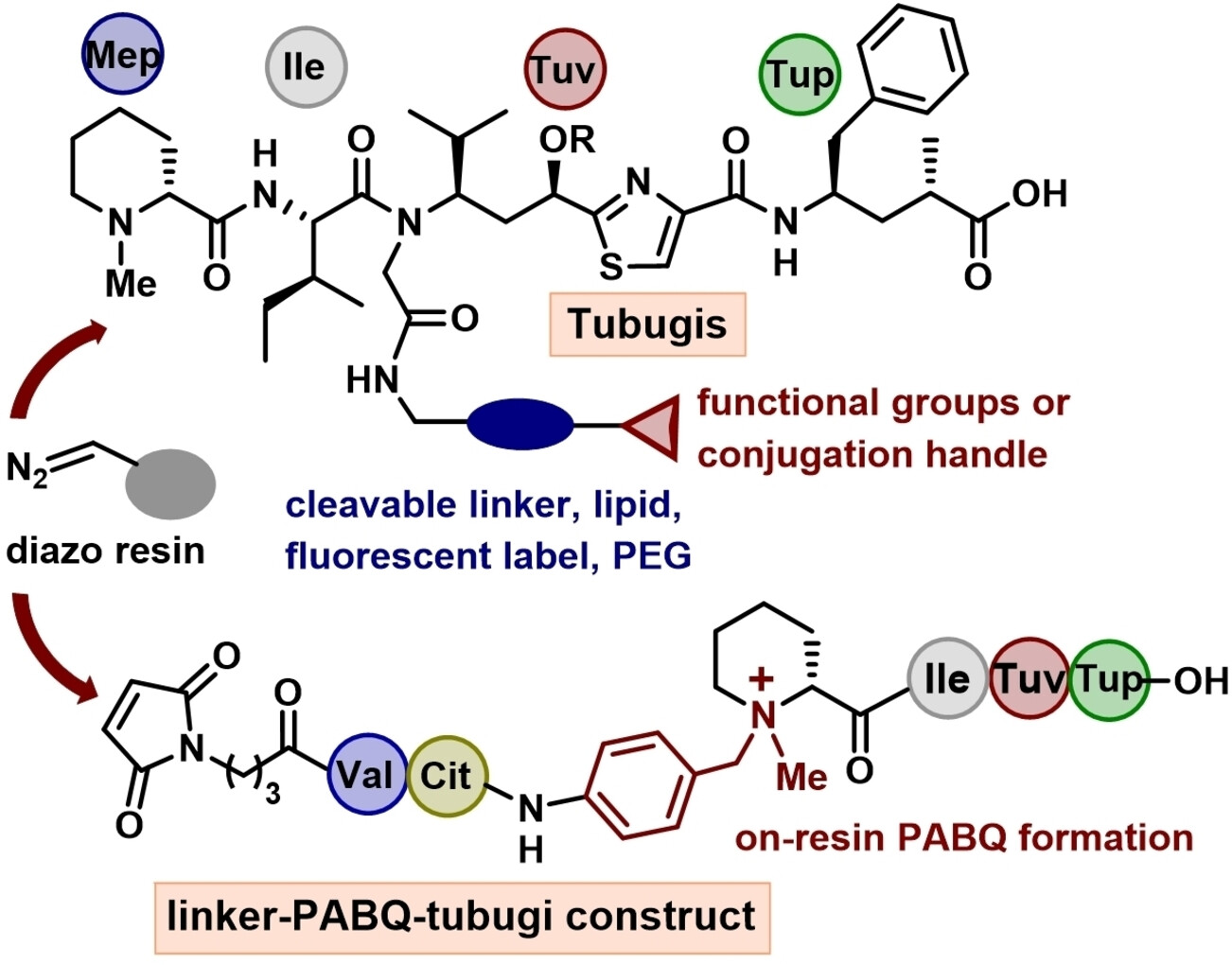
Tubulysins are among the most recent antimitotic compounds to enter into antibody/peptide-drug conjugate (ADC/PDC) development. Thus far, the design of the most promising tubulysin payloads relied on simplifying their structures, e. g., by using small tertiary amide N-substituents (Me, Et, Pr) on the tubuvaline residue. Cumbersome solution-phase approaches are typically used for both syntheses and functionalization with cleavable linkers. p-Aminobenzyl quaternary ammonium (PABQ) linkers were a remarkable advancement for targeted delivery, but the procedures to incorporate them into tubulysins are only of moderate efficiency. Here we describe a novel all-on-resin strategy permitting a loss-free resin linkage and an improved access to super potent tubulysin analogs showing close resemblance to the natural compounds. For the first time, a protocol enables the integration of on-resin tubulysin derivatization with, e. g., a maleimido-Val-Cit-PABQ linker, which is a notable progress for the payload-PABQ-linker technology. The strategy also allows tubulysin diversification of the internal amide N-substituent, thus enabling to screen a tubulysin library for the discovery of new potent analogs. This work provides ADC/PDC developers with new tools for both rapid access to new derivatives and easier linker-attachment and functionalization.

The Designed Pore-Forming Antimicrobial Peptide C14R Combines Excellent Activity against the Major Opportunistic Human Pathogen Pseudomonas aeruginosa with Low Cytotoxicity

The Designed Pore-Forming Antimicrobial Peptide C14R Combines Excellent Activity against the Major Opportunistic Human Pathogen Pseudomonas aeruginosa with Low Cytotoxicity

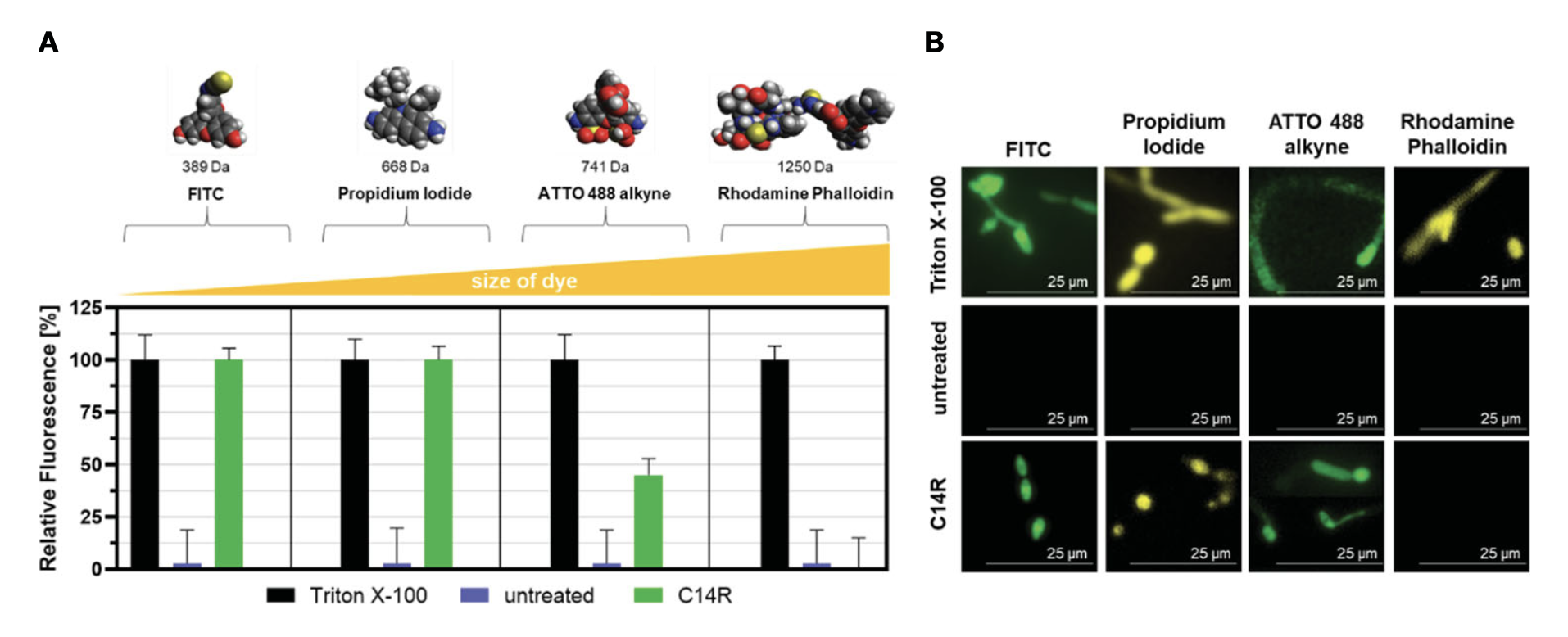
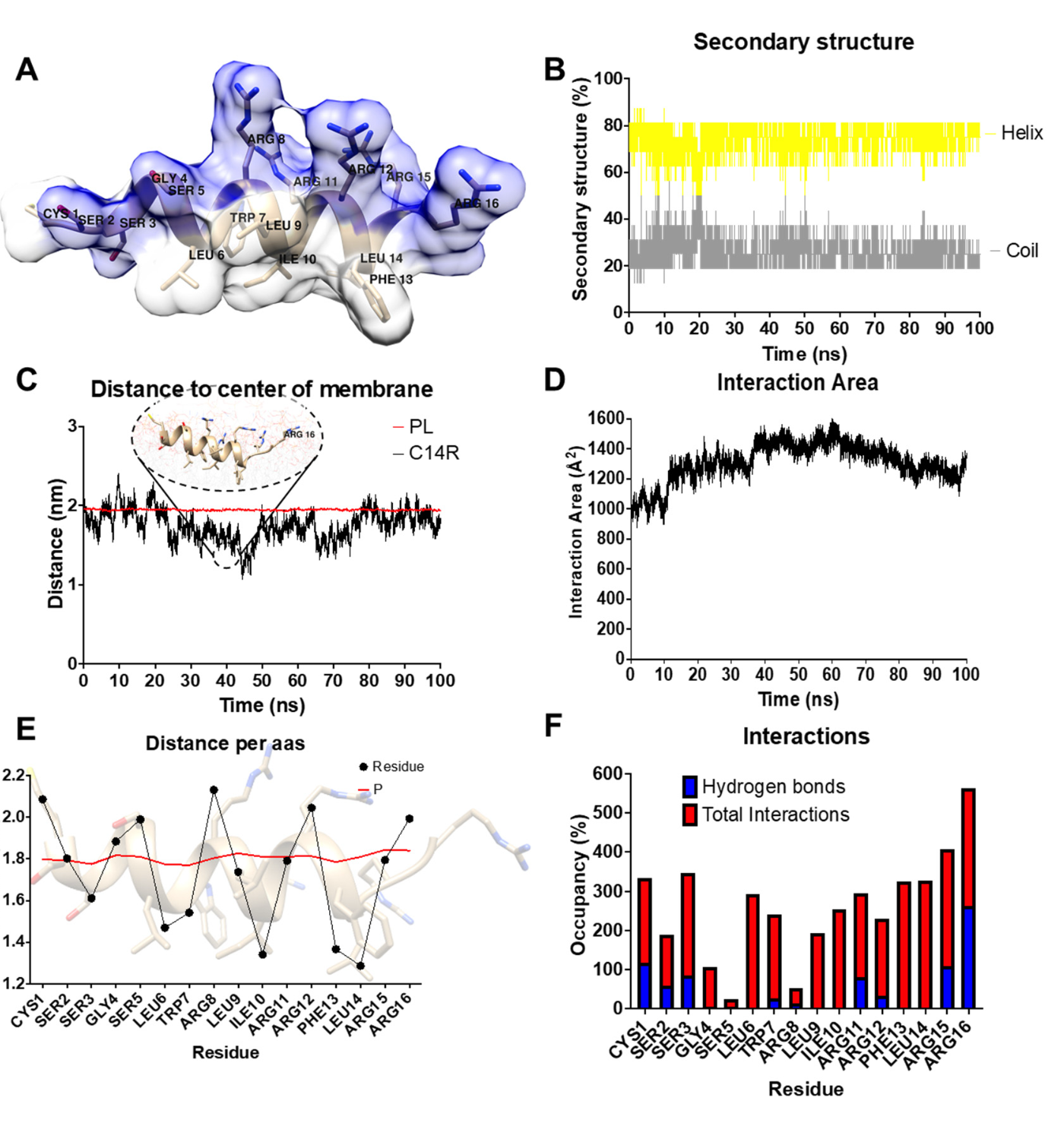
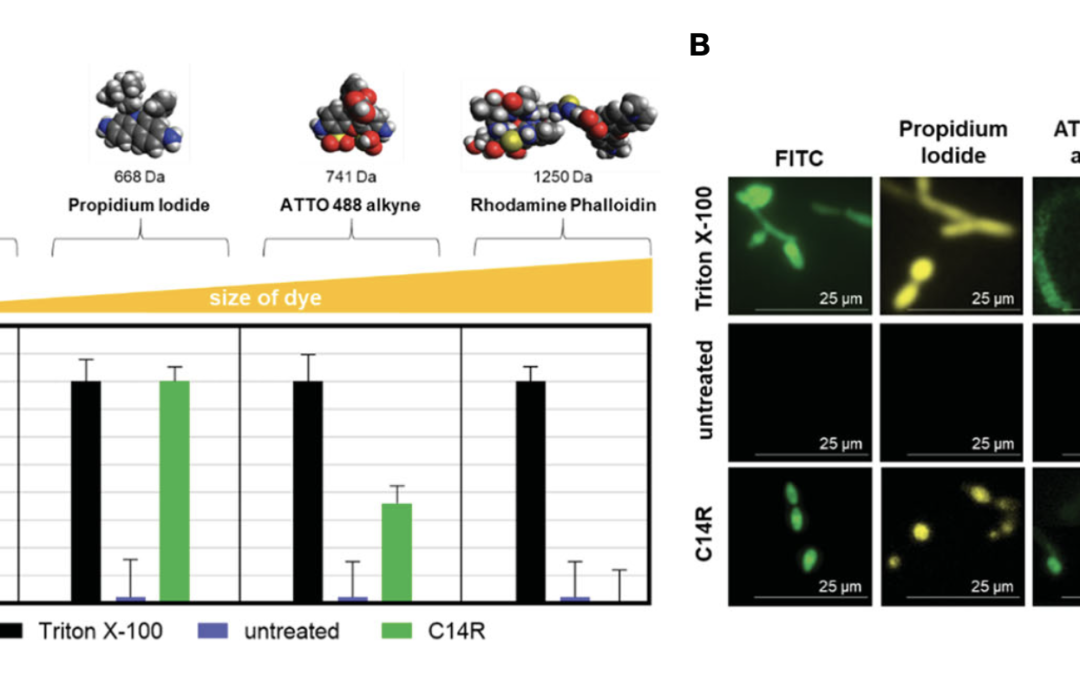
The diminishing portfolio of mankind’s available antibiotics urges science to develop novel potent drugs. Here, we present a peptide fitting the typical blueprint of amphipathic and membrane-active antimicrobial peptides, denominated C14R. This 2 kDa peptide consists of 16 amino acid residues, with seven being either hydrophobic, aromatic, or non-polar, and nine being polar or positively charged, strictly separated on opposite sides of the predicted α-helix. The affinity of the peptide C14R to P. aeruginosa membranes and its intrinsic tendency to productively insert into membranes of such composition were analyzed by dynamic simulations. Its biological impact on the viability of two different P. aeruginosa reference strains was demonstrated by determining the minimal inhibitory concentrations (MICs), which were found to be in the range of 10–15 µg/mL. C14R’s pore-forming capability was verified in a permeabilization assay based on the peptide-triggered uptake of fluorescent dyes into the bacterial cells. Finally, the peptide was used in radial diffusion assays, which are commonly used for susceptibility testing of antimicrobial peptides in clinical microbiology. In comparison to reference strains, six clinical P. aeruginosa isolates were clearly affected, thereby paving the way for further in-depth analyses of C14R as a promising new AMP drug in the future.

Development of bombesin-tubulysin conjugates using multicomponent chemistry to functionalize both the payload and the homing peptide

Development of bombesin-tubulysin conjugates using multicomponent chemistry to functionalize both the payload and the homing peptide

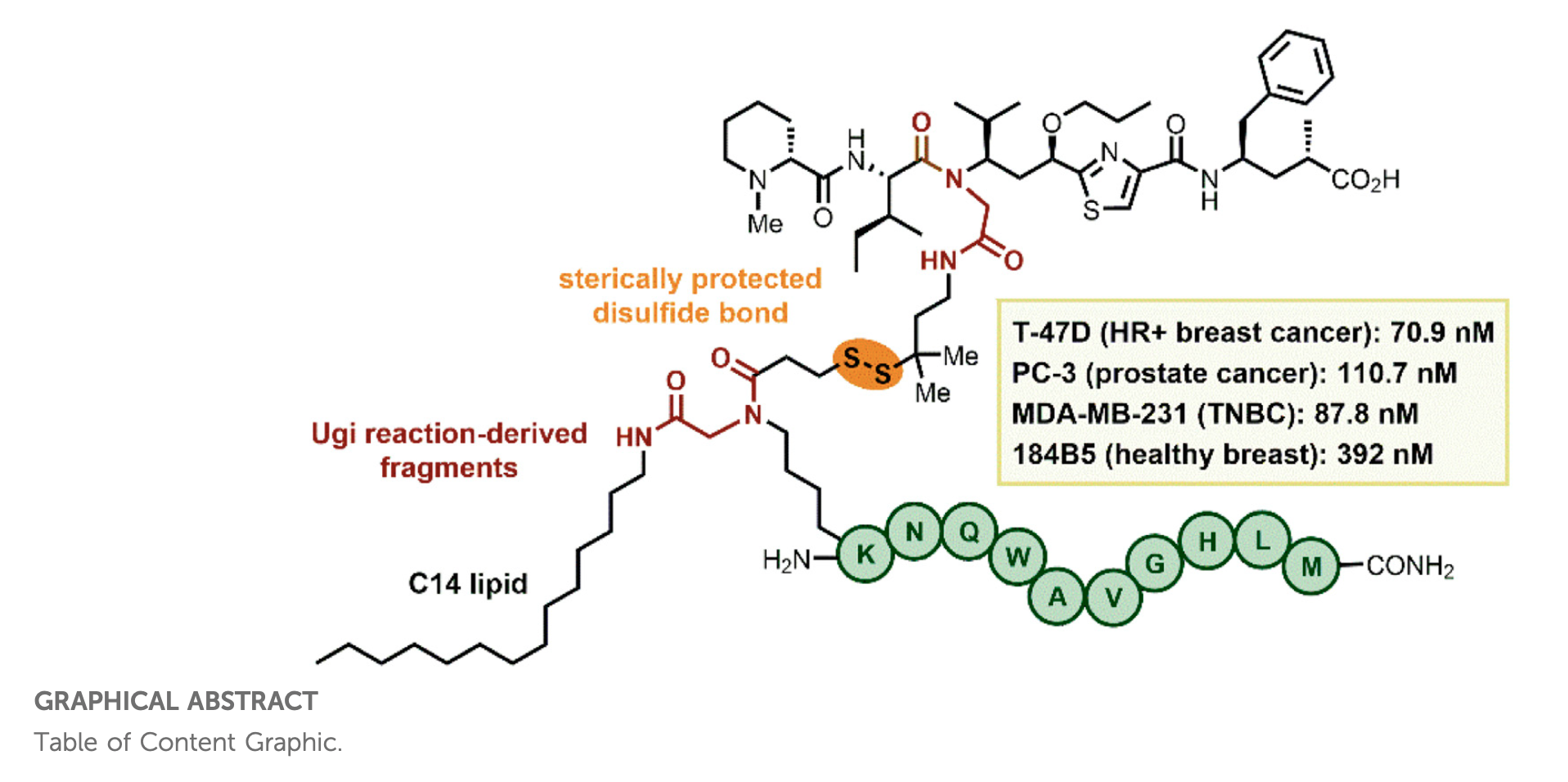
Peptide-drug conjugates (PDCs) have recently gained significant attention for the targeted delivery of anticancer therapeutics, mainly due to their cost-effective and chemically defined production and lower antigenicity compared to ADCs, among other benefits. In this study, we designed and synthesized novel PDCs by conjugating new thiol-functionalized tubulysin analogs (tubugis) to bombesin, a peptide ligand with a relevant role in cancer research. Two tubulysin analogs bearing ready-for-conjugation thiol groups were prepared by an on-resin multicomponent peptide synthesis strategy and subsequently tested for their stand-alone in vitro anti-proliferative activity against human cancer cells, which resulted in IC50 values in the nanomolar range. In addition, various fluorescently labeled [K5]-bombesin(6–14) peptides, non-lipidated and lipidated with fatty acid chains of variable length, were also synthesized using the versatile multicomponent chemistry. These bombesin derivatives were tested for their gastrin-related peptide receptor (GRPR)-mediated internalization into cancer cells using flow cytometry, proving that the lipid tail (especially C14) enhances the cell internalization. Using the tubugi toxins and bombesin peptides, three different bombesin-tubugi conjugates were synthesized with different cleavage propensity and lipophilicity. Preliminary in vitro experiments revealed that, depending on the linker and the presence of a lipid tail, these novel PDCs possess good to potent anticancer activity and moderate selectivity for GRPR-overexpressing cancer cells.